


































Belaying is one of the most fundamental skills in climbing, providing protection and safety for climbers as they ascend rock, ice, and mountains. While modern climbers rely on sophisticated devices and dynamic ropes, the practice of belaying has evolved dramatically over the last century.
In the earliest days of mountaineering during the 1800s, climbers often climbed together on a rope but had little understanding of modern fall protection. Hemp ropes were heavy, static, and unreliable under significant loads. Rather than arresting leader falls, ropes were primarily used for security on steep snow slopes and glacier travel. Falls were often catastrophic.
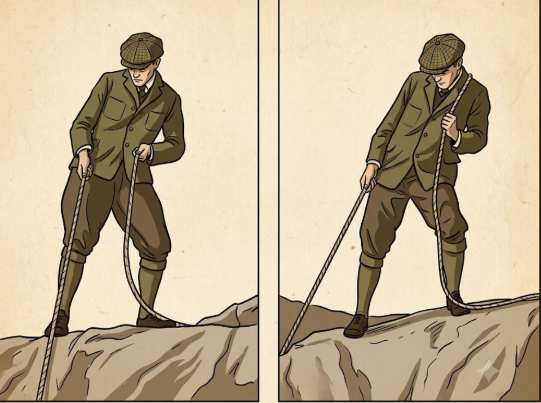
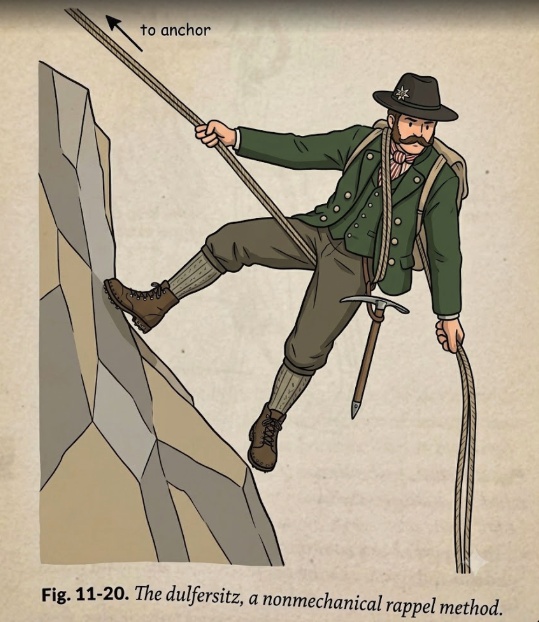
By the early 1900s, climbers in the Alps began experimenting with body belays. The rope was wrapped around the belayer’s waist, shoulder, or back to create friction. These techniques allowed a partner to hold a climber’s weight and offered a limited ability to arrest falls. The body belay remained the standard for decades and is still taught today for a wide array of uses.
A major advancement came after World War II with the development of nylon ropes. Unlike hemp, nylon stretched under load, absorbing energy and reducing the forces generated during a fall. Dynamic ropes revolutionized climbing safety and made leader falls more survivable.
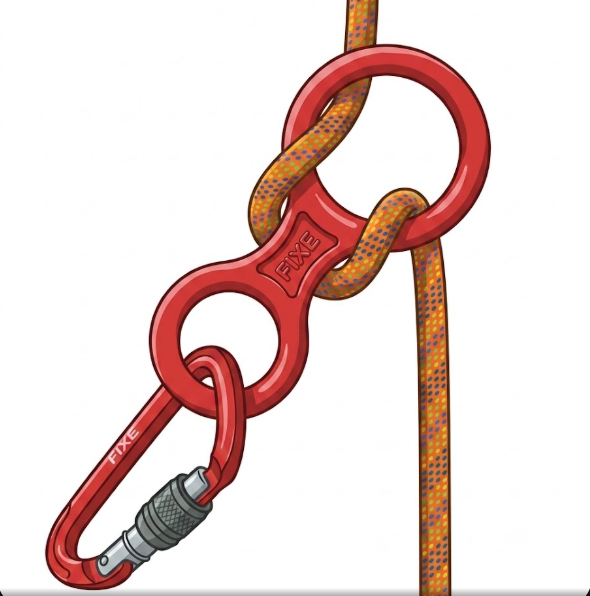
Early 1960s: The device was commercialized in Germany and shortly thereafter in the UK. Climbers in North America would order these from Europe.
1965: The design was brought to the United States.
One of the most significant advances in belaying and rappelling emerged from Italy in the late 1950s, when climbers Mario Bisaccia, Franco Garda, and Pietro Gilardoni developed the friction hitch now widely known as the Munter hitch. Originally called the Mezzo Barcaiolo (or Italian hitch), the technique provided a simple and effective way to belay and rappel using only a carabiner and rope. The hitch gained international recognition in the 1970s through the efforts of Swiss mountain guide Werner Munter, whose promotion of the technique led to its widespread adoption. Today, climbers around the world know it as both the Italian hitch and the Munter hitch, and it remains a core skill.
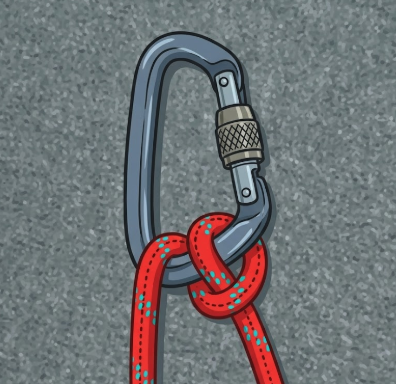
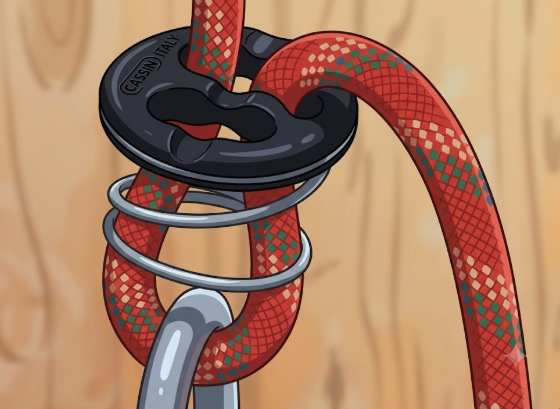
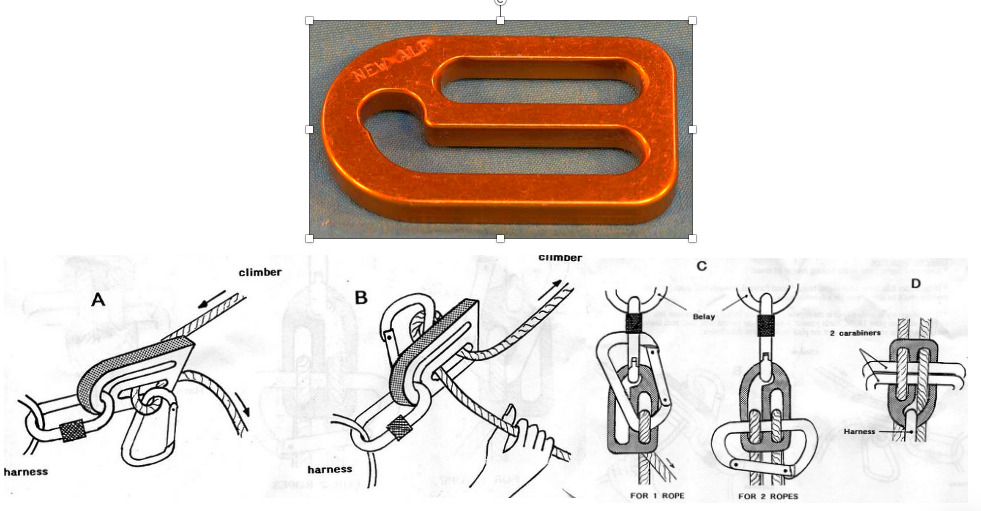
The 1960s and 1970s saw the introduction of mechanical belay devices. Early devices such as the the Figure Eight and the Sticht Plate provided greater friction and control than body belays. As climbing rapidly expanded in popularity, these devices helped climbers safely manage longer routes and more challenging terrain.




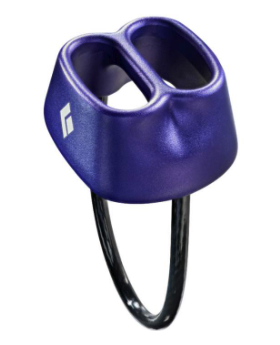
During the 1980s and 1990s, tube-style devices became the industry standard. Lightweight, versatile, and easy to use, devices such as the ATC allowed climbers to belay single or double ropes with improved efficiency.

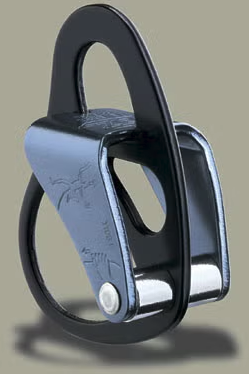
The next major evolution came with assisted-braking devices. Products such as the Grigri introduced mechanisms that helped arrest falls if the belayer lost control of the rope. While these devices do not replace proper belay technique, they have become widely adopted in climbing gyms, sport climbing, and professional guiding.

Today, belaying combines modern equipment, refined techniques, and rigorous training. Yet the core principle remains unchanged: one climber safeguarding another through skill, attentiveness, and trust. From hemp ropes and body belays to assisted-braking devices, the history of belaying reflects climbing’s ongoing pursuit of greater safety in the vertical world.