







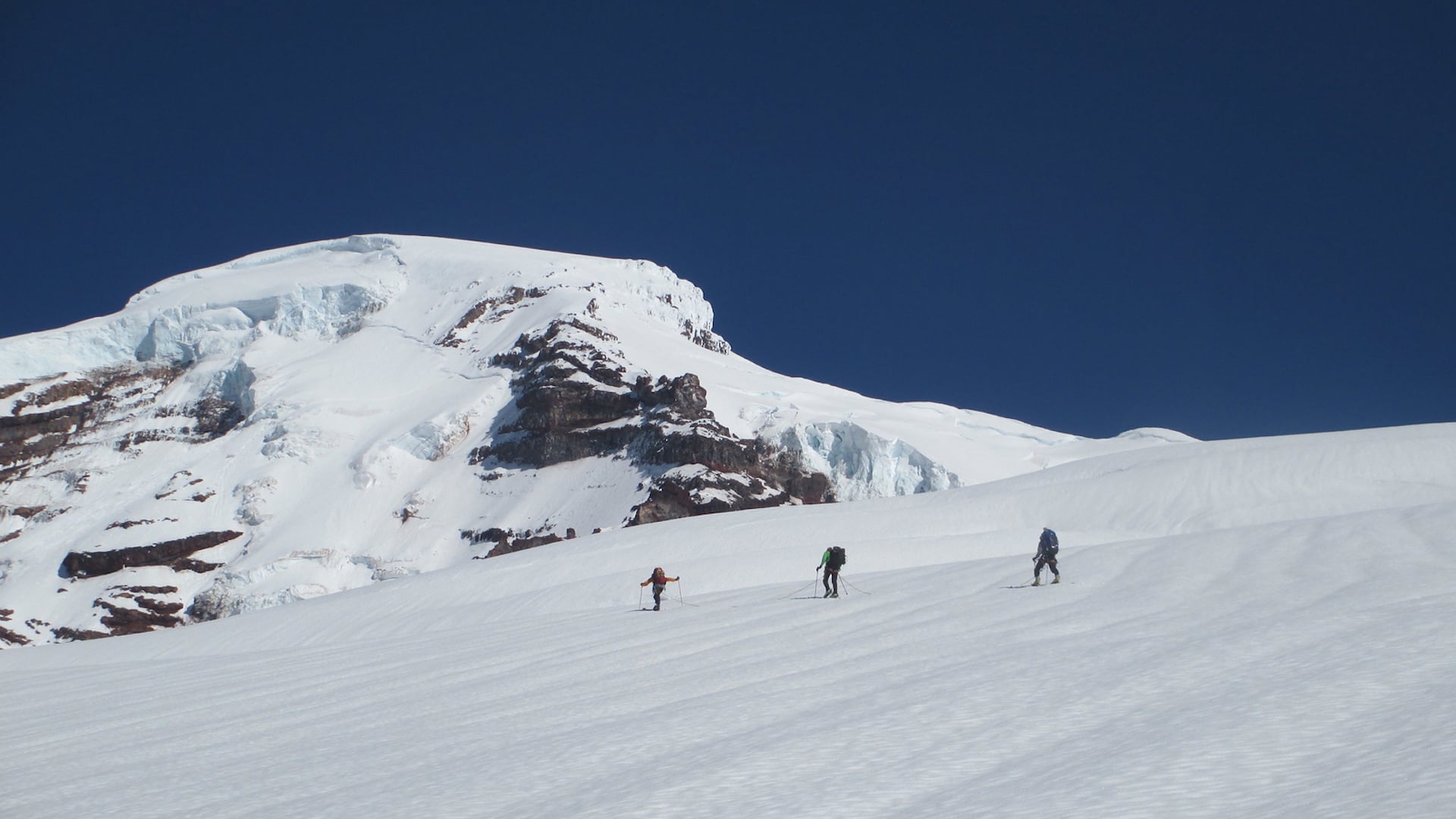
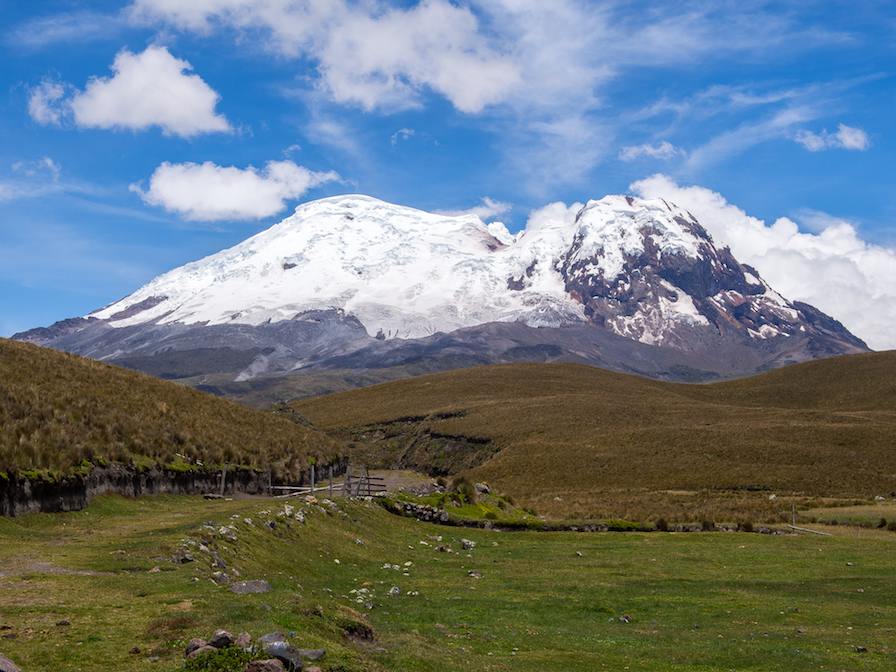



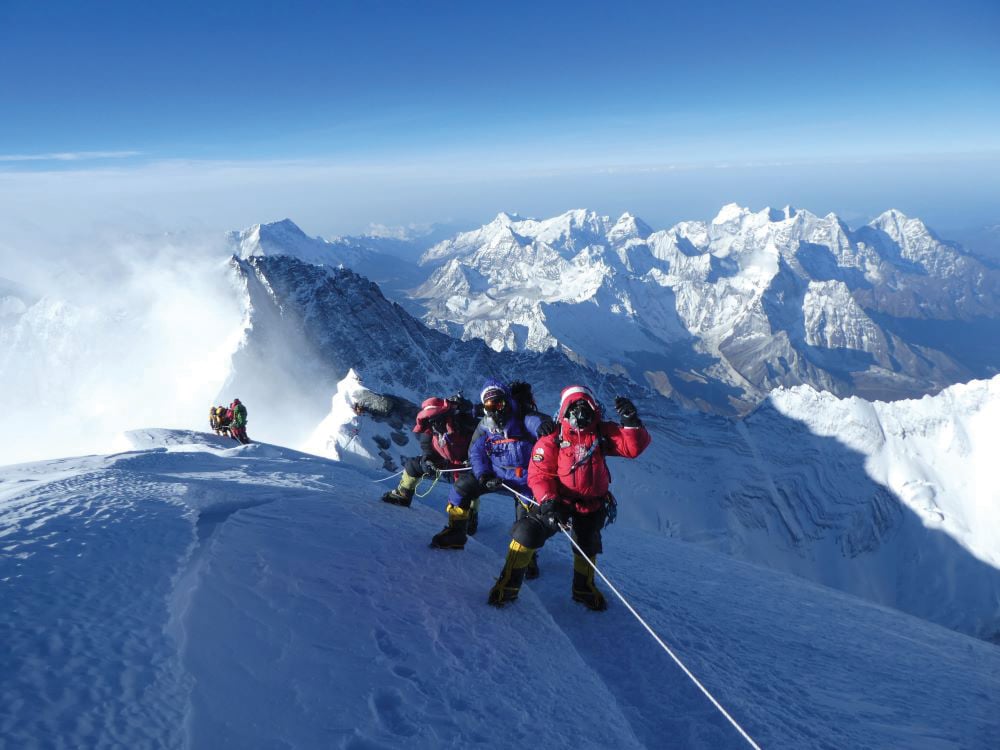
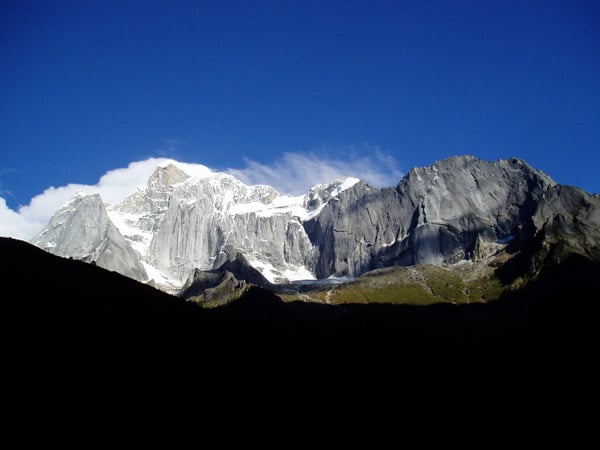







The accumulation zone is the glacier’s savings account. This is the upper, colder part of the glacier where snowfall exceeds melting over the course of a year. Snow piles up, gets compacted by its own weight, and slowly transforms into firn and then dense glacial ice. Avalanches, wind-blown snow, and rime ice can all add to the total. Because temperatures stay relatively low, very little ice is lost here, even during summer. If the accumulation zone is healthy, the glacier has a chance to grow—or at least stay alive. Think of it as the glacier eating more calories than it burns.
Below it lies the ablation zone, where the glacier starts paying its bills. In this lower, warmer region, ice is lost through melting, sublimation, evaporation, and calving (when chunks break off into water). Summer sun, warm air, rain, and debris-covered ice all accelerate loss. Crevasses often open wider here as ice thins and flows faster downslope. In the ablation zone, the glacier burns more energy than it takes in—and no amount of positive thinking fixes that.
Separating these zones is the equilibrium line or firn line, where annual accumulation equals annual ablation. The position of this line is a powerful indicator of climate conditions. In warm years, it climbs uphill, shrinking the accumulation zone. In cooler years, it drops, giving the glacier some breathing room.
Together, accumulation and ablation zones tell the glacier’s life story. When accumulation wins, glaciers advance. When ablation dominates—as is increasingly common today—glaciers retreat. No drama, just physics… and gravity doing what gravity always does.