










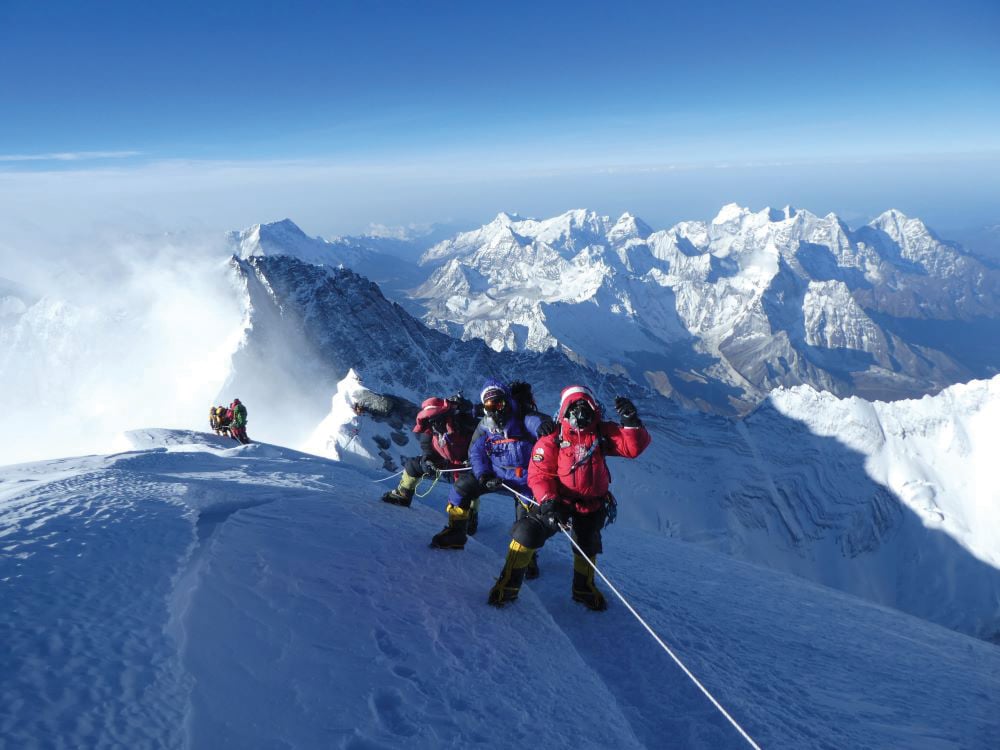
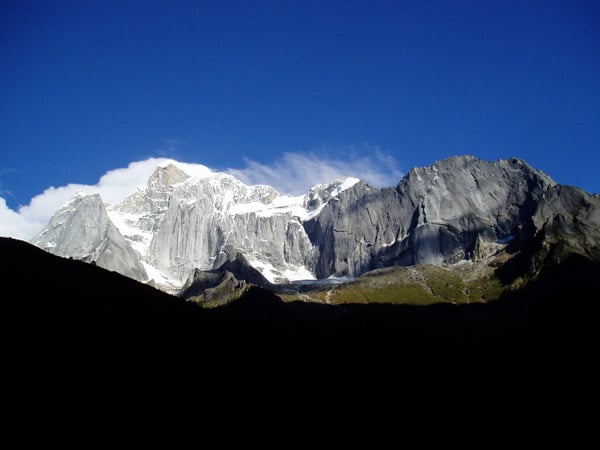


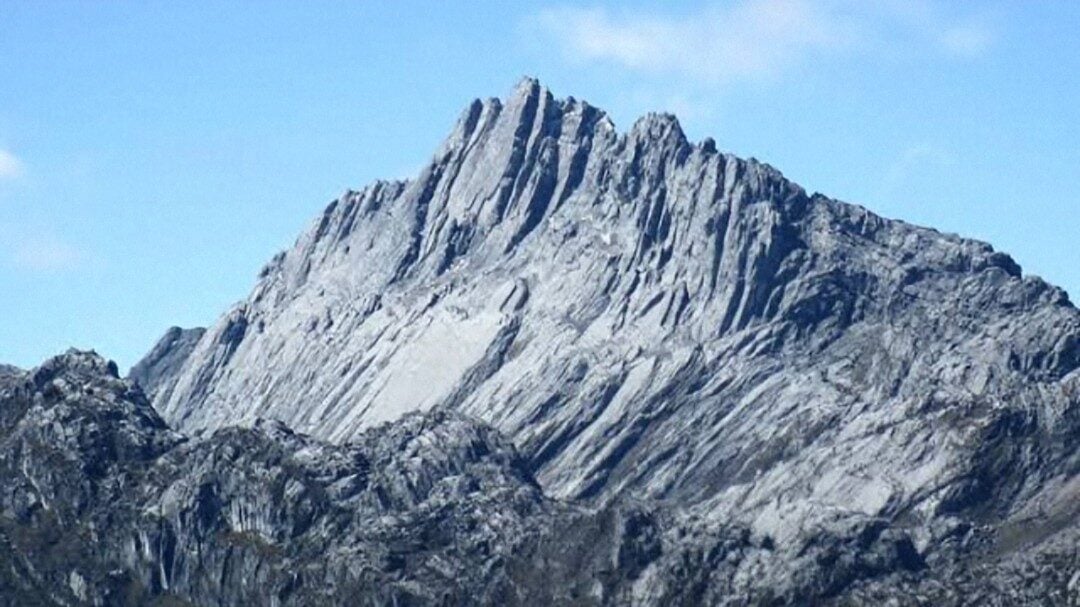





Longs Peak is an incredibly popular peak to climb, and for good reason. Kiener’s Route is the easiest option up Longs’ east face, weaving together weaknesses to make it as amicable as possible and keeping the grade at 5.4 and 50 degree snow. Having said that, this is an entry level route into intermediate alpine climbing and should not be taken lightly. Disclaimer: This information should not be relied upon and is not a substitute for requisite knowledge, experience, and more detailed information.

Approach
Whether done in one or two days, one will start at the Longs Peak TH and hike past Chasm Lake to the base of Lamb’s slide with 4.5 miles of distance and 3,200 feet of elevation gain. Lamb’s slide is the most common way to climb Kiener’s though there are alternative rock climbing options (atleast in the summer) to accessing the rest of the route. For bivies, it is recommended to stay at the Hilton or Cave bivies.

Lamb’s Slide
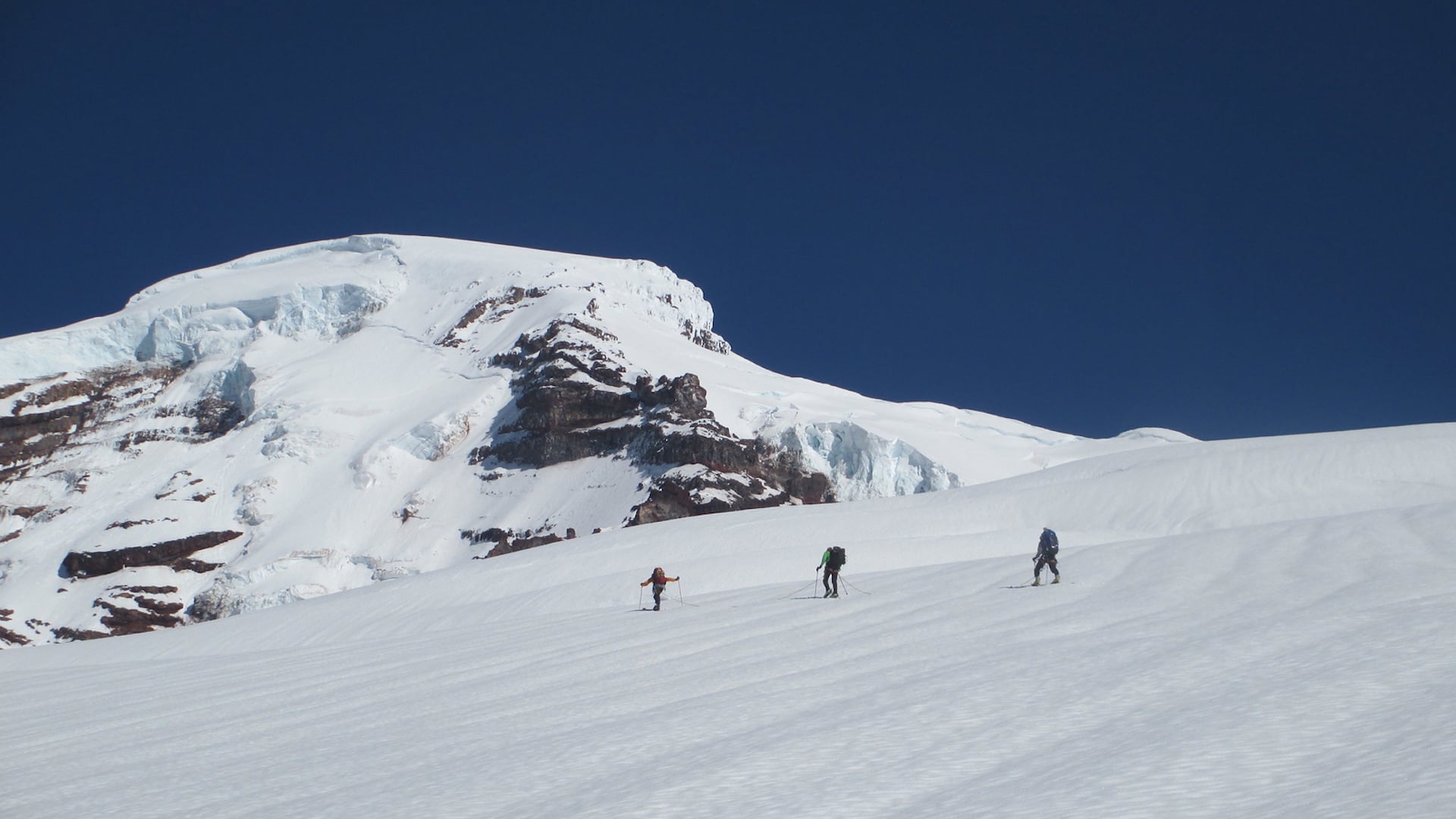
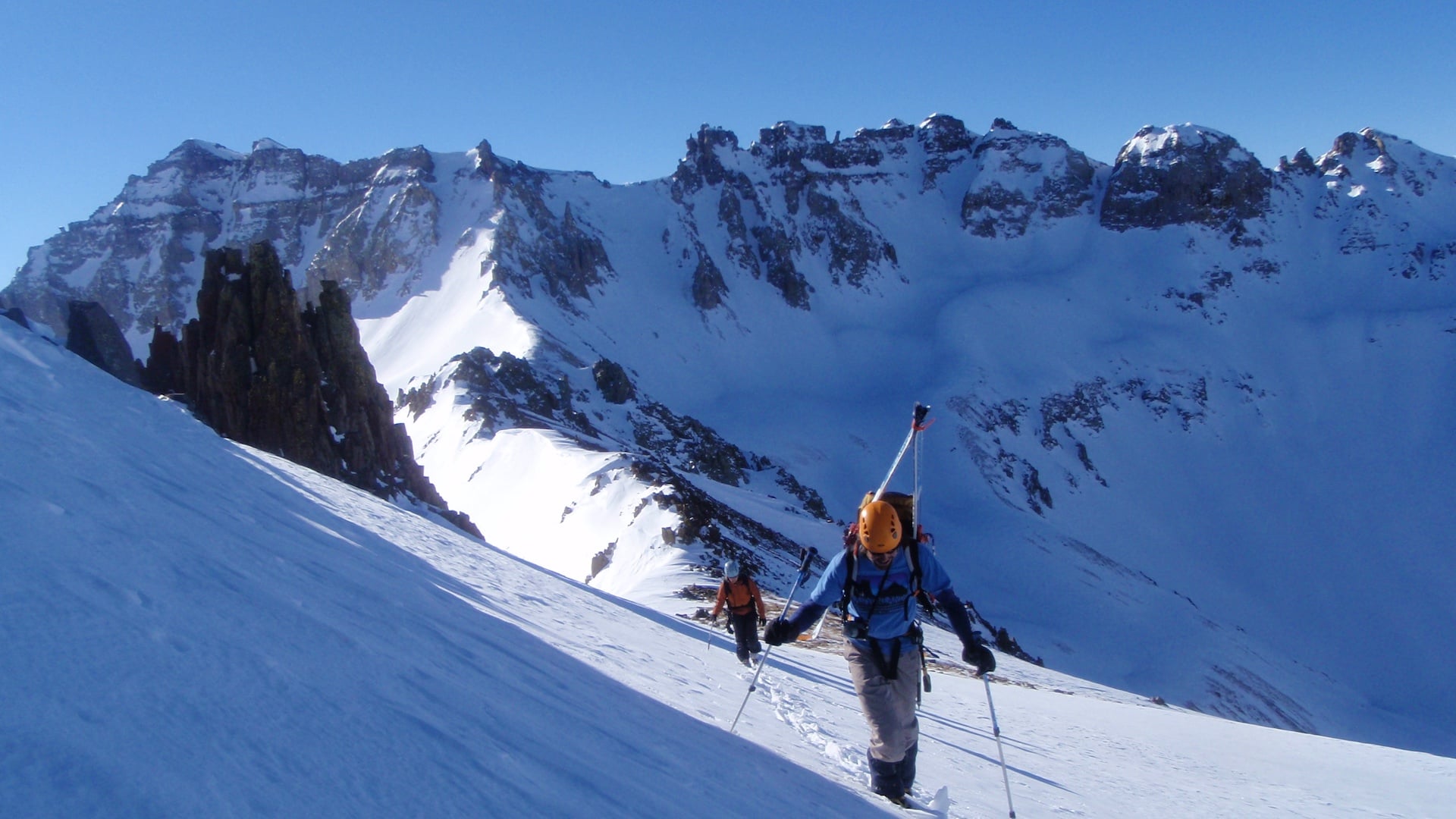
Depending on time of year, Lamb’s slide is a snow or ice climb up to 50 degrees. In early to mid-summer (which is many climber’s preferred timeframe) it will likely be snow, and later season it’ll shift to ice. Some years Lamb’s slide can melt-out to the point that the objective hazard of falling rock isn’t worth an attempt. Regardless of conditions, this stretch of climbing is approximately 1,000 feet of elevation gain.

Broadway Ledge
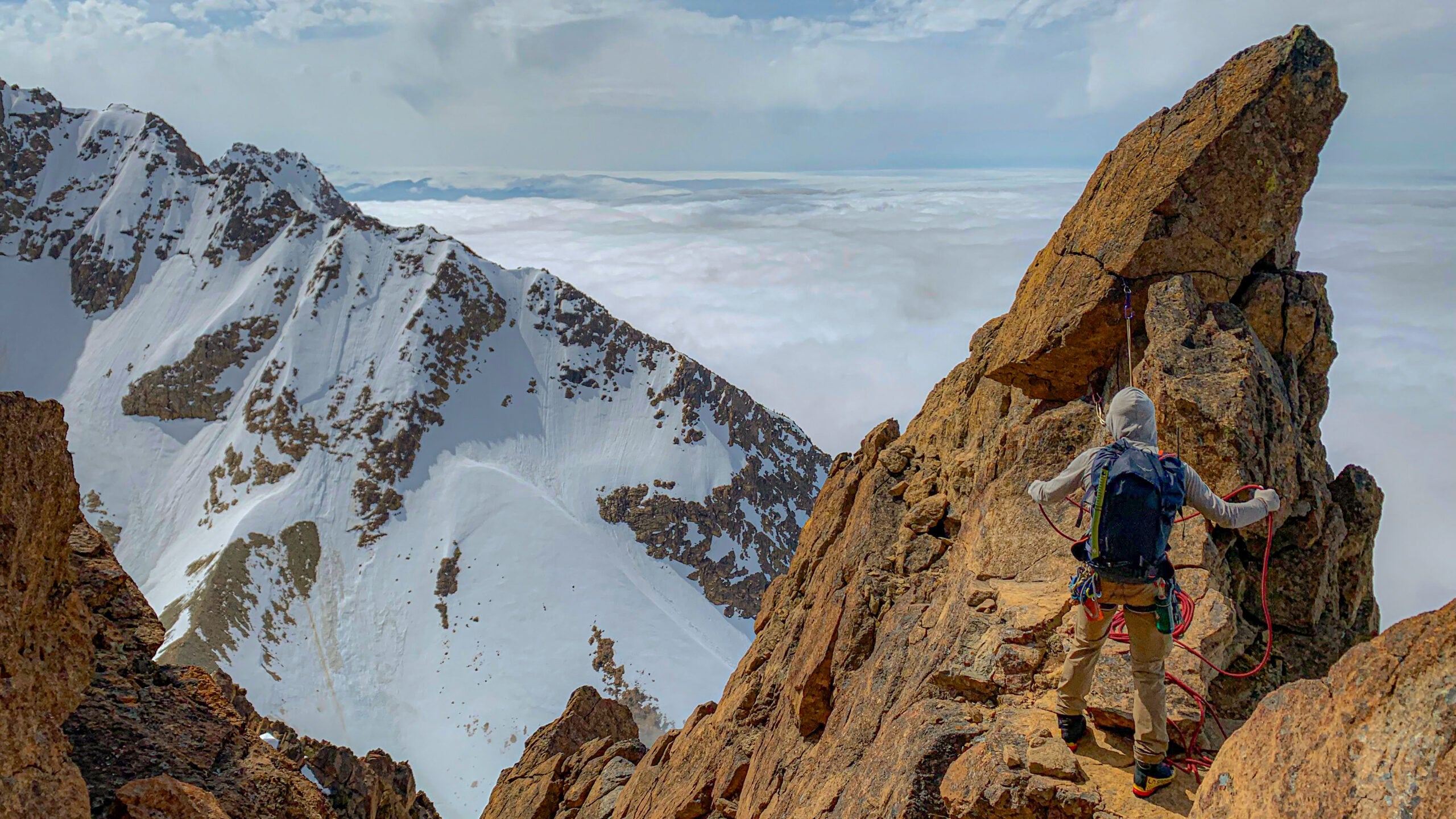
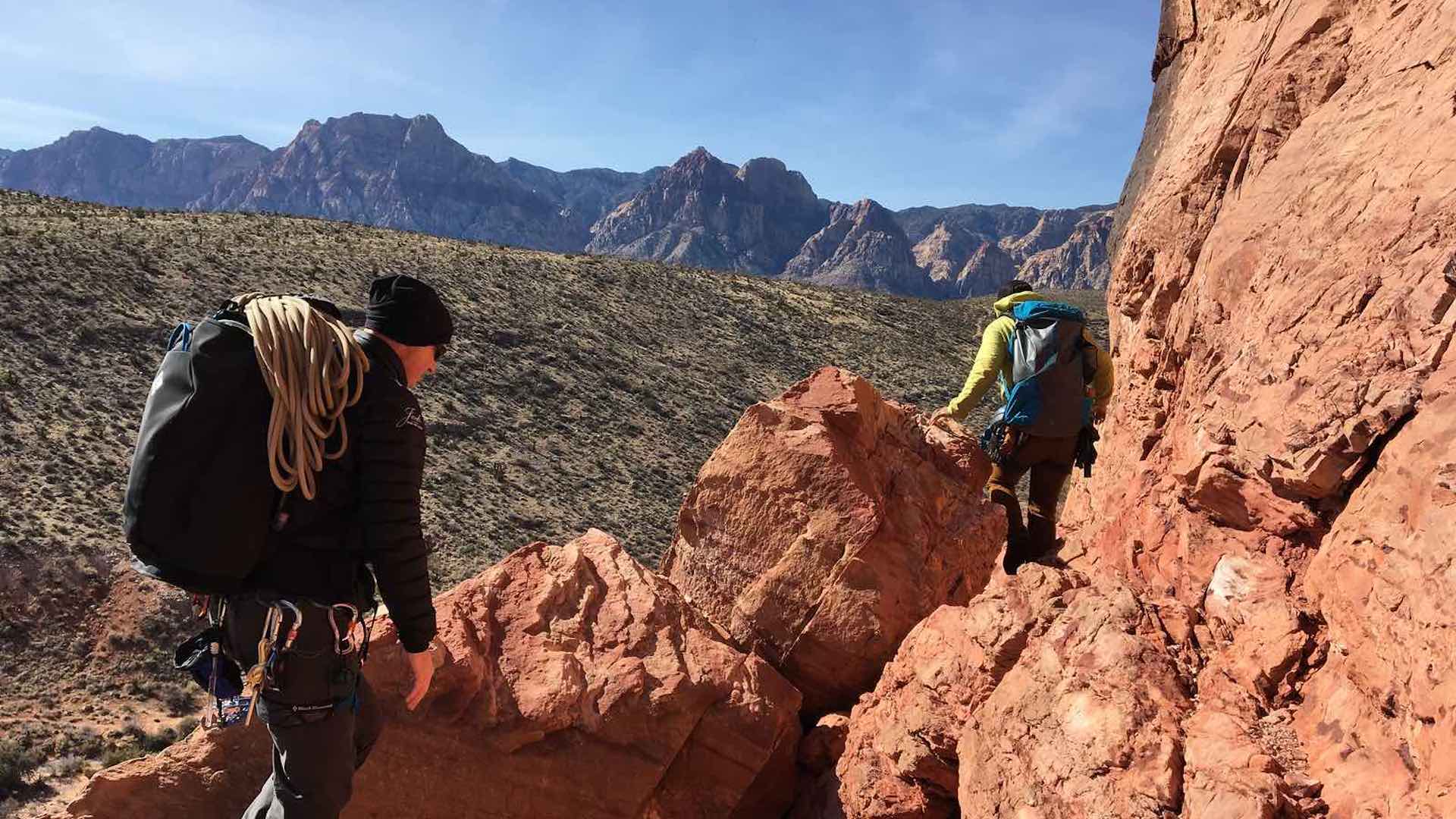
The 1,000 foot traverse of Broadway Ledge is many people’s favorite part of this climb, with incredible exposure and unique positions. Difficulties never exceed 4th class but conditions vary greatly from steep snow to ledge walking depending on time of year. If climbers are new to exposure this section can be quite daunting, but with rock/snow protection and a few fixed pitons the protection is relatively reasonable.

Upper Kiener’s
The final section of the climb is what is formally considered Kiener’s. A few initial pitches of ~5.4/5.5 lead to long stretches of 3rd and 4th class climbing. This ramp flanks the Diamond, but typically one wouldn’t flirt with the absolute edge of the wall given it’s more difficult nature. the final few hundred feet ease to 2nd/3rd class to the summit.

Descent: North Face
The preferred method of descent is the North Face (Cables Route) and involves 3rd/4th class downclimbing and ~3 rappels. Once off the rappels its 6 miles approximately back to Longs Peak Trailhead. One could descent the Keyhole but this is both slower and longer. If one is bivying, after the rappels it is recommended to cut over to the Camel Gully to descend back to Chasm Lake to grab the overnight gear before exiting. (if taking the Boulderfields back to the trail, it will involve a considerable amount of backtracking to get to the bivies).

