















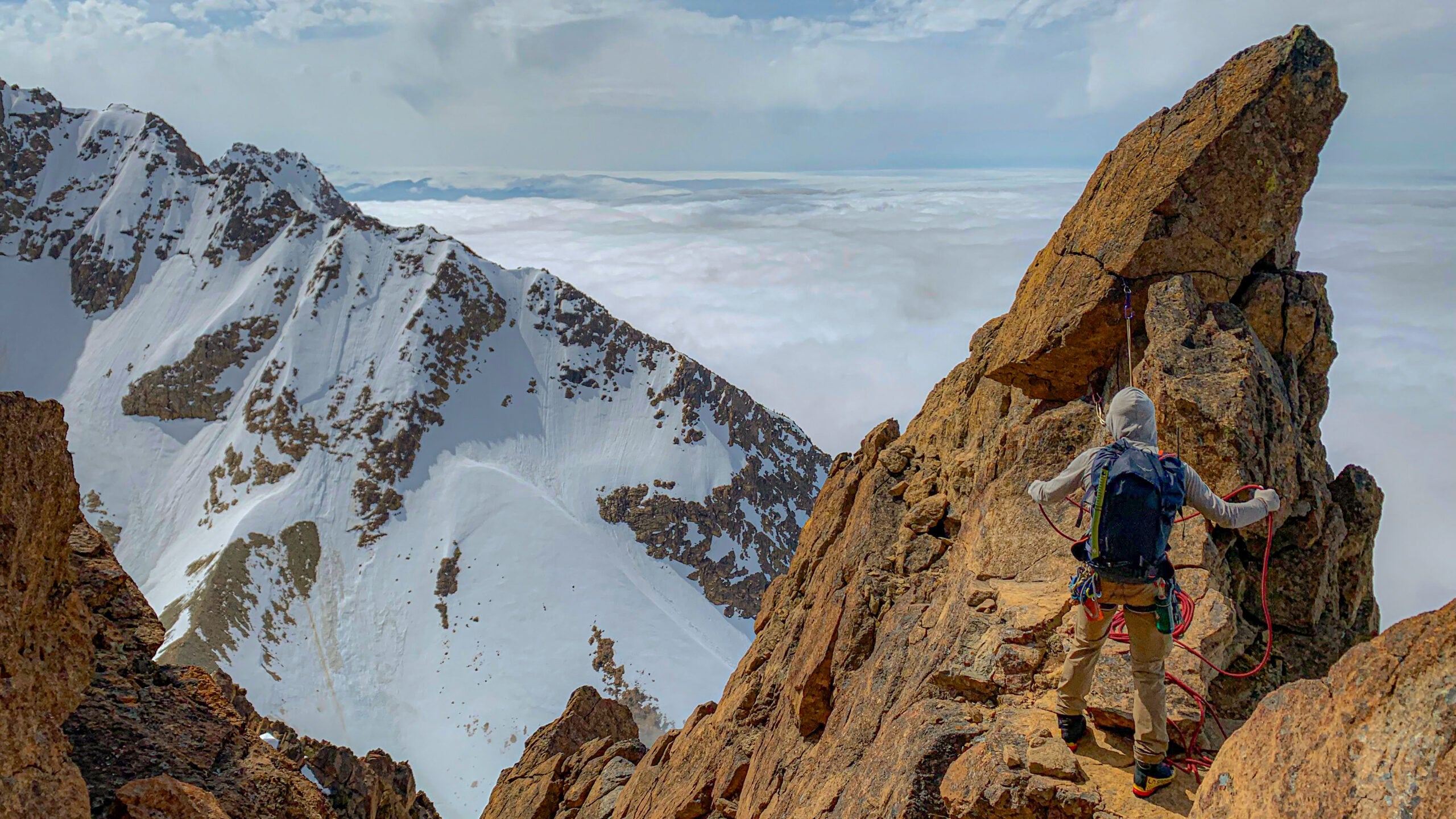





















There has been a lot of talk in the industry lately about fixed-point belay techniques. Many guides are beginning to employ these techniques on ice climbs and on sketchy alpine climbs.
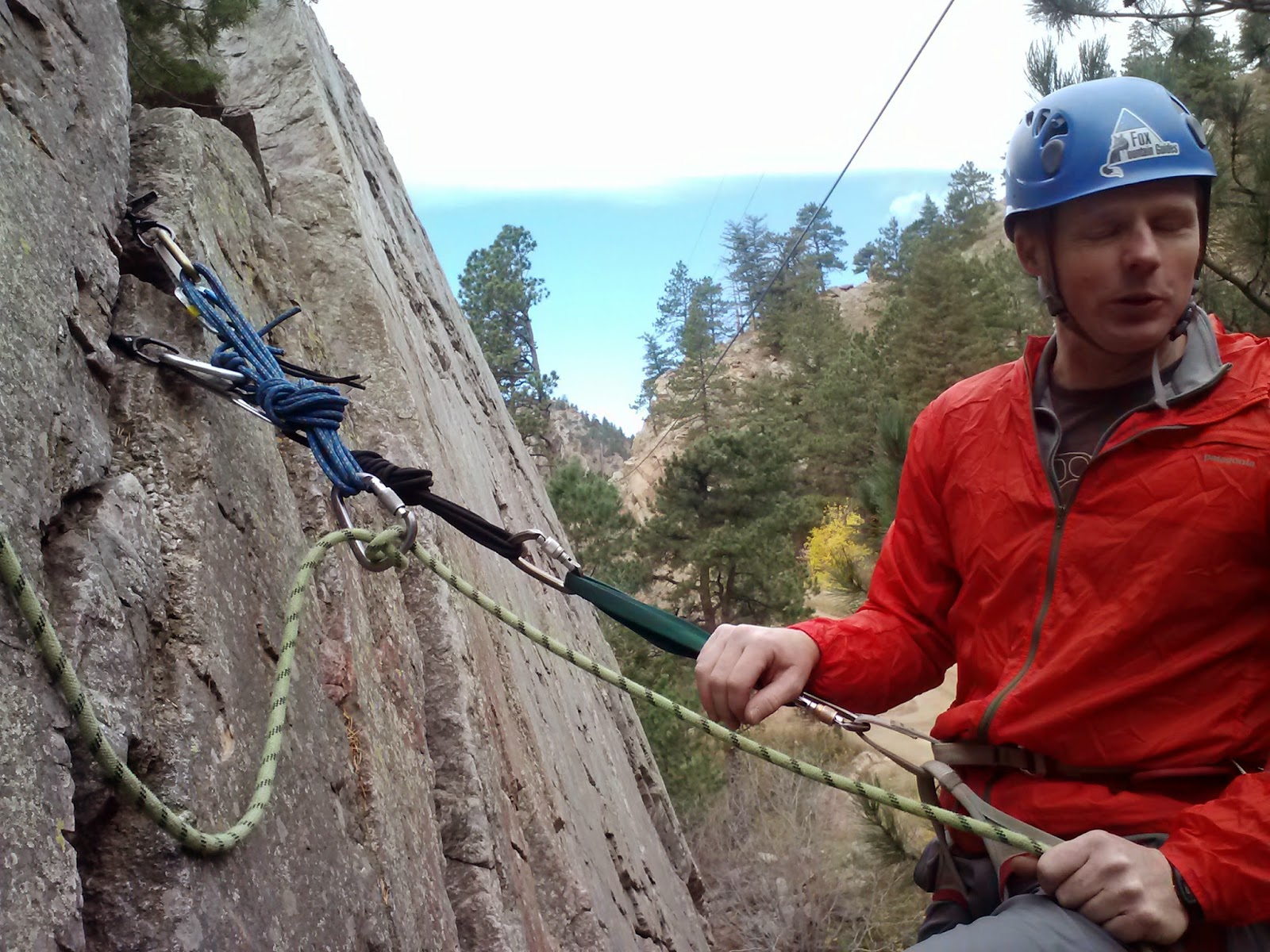
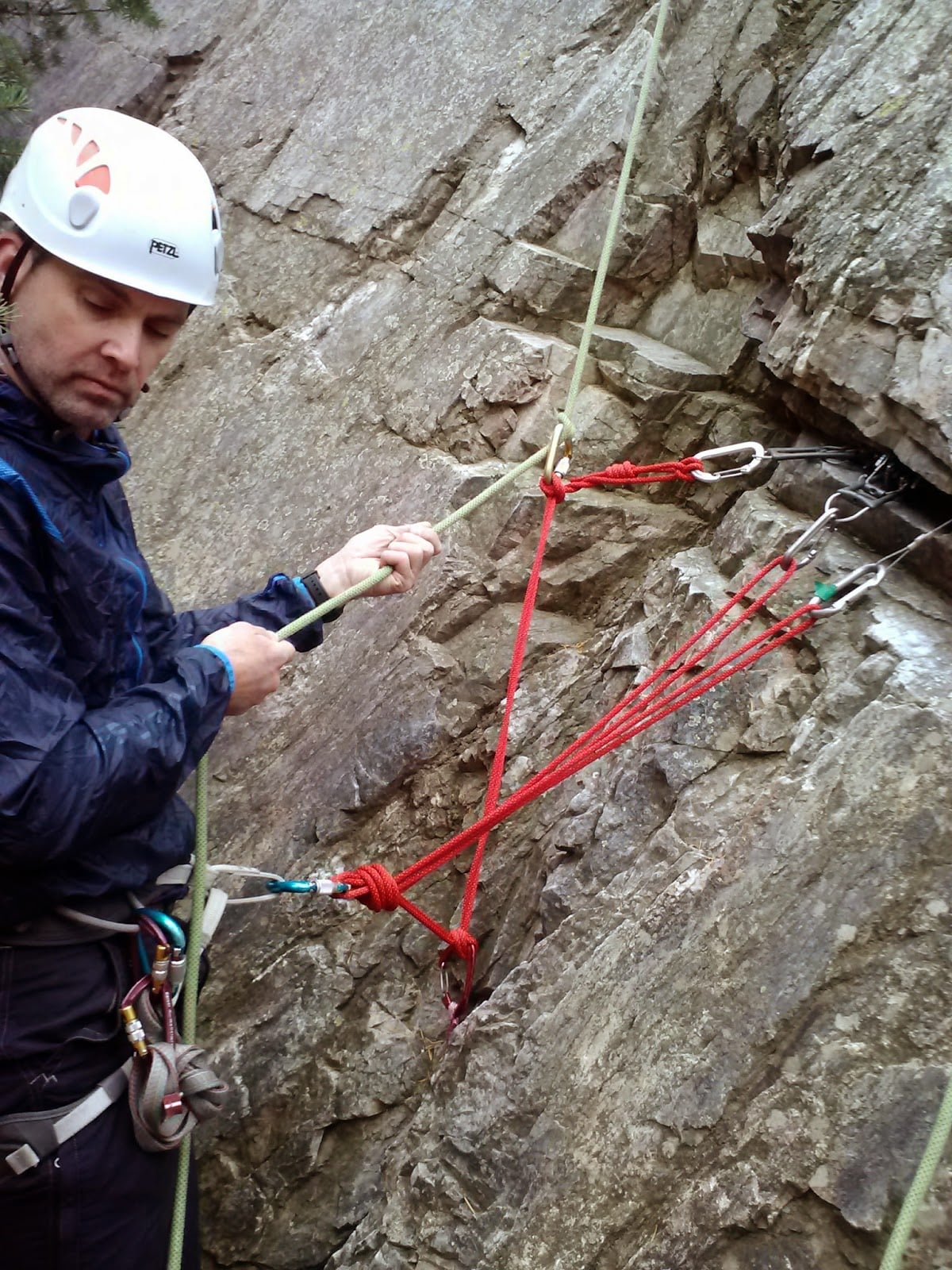
Essentially a fixed-point belay is a lead belay directly off the anchor, as opposed to the more standard belay technique of operating a device off one’s harness. The idea is that a lead fall simply doesn’t impact the belayer the same way that a lead fall impacts him or her in a normal setting.
At a guide training in 2008, a number of our guides experimented with this technique, finding mixed results. We found that both a tube style device and a munter-hitch worked well, but not so much for a GriGri. Assisted locking devices seem to transfer a lot more force into the falling person and without movement in the anchor, this resulted in a painful fall for our leader.
The Association of Canadian Mountain Guides (ACMG) has put out a video on this particular technique. It is a long and comprehensive video on the subject, but it is very good. Please see it below:
The French Guide Training organization, ENSA has also put out a comprehensive video:
At a 2014 AMGA training we experimented with this technique some more and decided that using a tube-style device wasn’t appropriate at all. The best application appeared to incorporate the use of a munter-hitch.
So why would you use this system?
It is a very guidey thing to do and it does require one to learn a new belay technique, so it doesn’t make much sense…unless you’re working with significant weight differences in a multipitch setting. If you intend to take children or small teens up a multi-pitch route, a leader fall may be so dramatic that they get pulled into the anchor and let go. This negates that possibility.
And while there aren’t that many uses for a fixed-point anchor, it is one of those things that when you need it…you really need it…
–Jason D. Martin