



















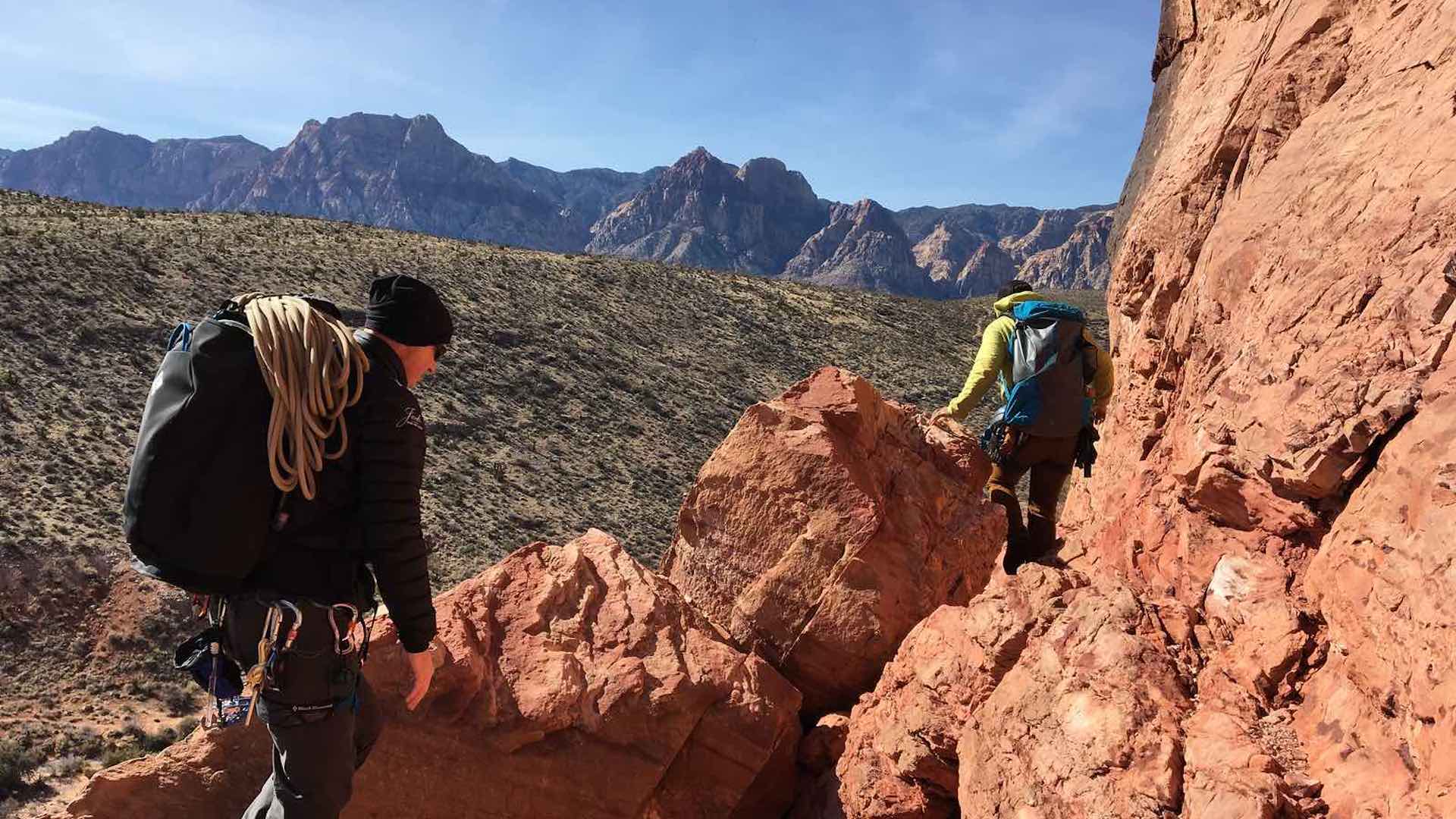

















Lowering a climber is a fundamental skill in climbing instruction as well as for recreationalists, and using an assisted-braking device like the Petzl GriGri can help make the process more controlled. However, assisted braking does not eliminate the need for proper technique, system checks, and attentive belaying.
When lowering a climber, many people use a GriGri because its assisted-braking mechanism helps control the rope. A Petzl Freino carabiner can simplify the process by providing a dedicated braking-strand friction point. Alternatively, you can redirect the brake strand through a separate carabiner attached to the anchor’s central point or, where appropriate, the shelf of a cordelette anchor.
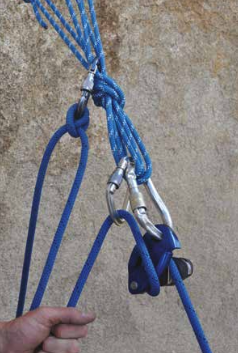
A systematic approach is essential when lowering a climber.
Numbered Lowering Steps
- Have the climber tie in. Ensure the climber is securely tied into the end of the rope and verify the knot.
- Load the GriGri. Install the rope according to the device’s instructions, checking that the rope diameter and orientation are correct.
- Function-test the device. Under controlled conditions, verify that the GriGri engages as expected when loaded.
- Prepare the climber for the transition. Communicate clearly and ensure the climber is ready to weight the system. Confirm that the anchor and lowering setup are secure before proceeding.
- Establish the braking-strand redirect. If using a redirect, configure it through the appropriate carabiner at the anchor’s central point or cordelette shelf. A compatible Freino carabiner may provide an alternative friction-management method. Follow the device manufacturer’s instructions and the established system configuration.
- Lower the climber smoothly. Maintain control of the brake strand, manage the transition carefully, and communicate throughout the descent.
At every stage, stay attentive and follow manufacturer guidance. Assisted braking is a valuable tool, but it does not replace active brake-strand control, sound judgment, or practiced technique. Instructors should practice the complete system in a controlled environment before using it with students.