














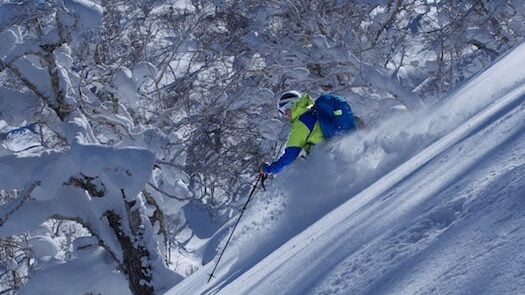

If you willingly put yourself in harm’s way, should you expect other people to come and rescue you if something goes wrong?
The short answer is no.
That doesn’t mean people aren’t willing to put their own lives on the line to help. Mountain rescue teams, professional rescuers, and helicopter crews routinely take significant risks to save people in difficult and dangerous environments. But there is an important distinction between being willing to help and being able to help.
Helicopters, in particular, are extremely risk-averse. Weather, clouds, wind, visibility, and other conditions can quickly make a helicopter rescue impossible. Even when someone is seriously injured or stranded, there are circumstances in which a helicopter simply cannot safely reach them.
Ground-based mountain rescue teams face similar decisions. Many rescue organizations use some variation of a risk-assessment system known as the GAR—or Green-Amber-Red—model. The concept is straightforward: green means conditions are acceptable, amber means caution is required, and red means the risk is too high to proceed.
The factors considered can include everything from the physical fitness of the rescuers to medical concerns, weather, terrain, rockfall, avalanche conditions, and the specific hazards involved in reaching the person who needs help.
Importantly, you can use the same concept in your own climbing, mountaineering, skiing, or backcountry adventures.
Ask yourself: How is our team doing right now?
Maybe everyone is physically strong and the weather is good. That’s green. But perhaps someone is becoming exhausted, the weather is deteriorating, or a section of terrain has become unstable. Those conditions might move your team into the amber or red zones.
This becomes particularly important on high-altitude expeditions and remote adventures. At extreme elevations or in isolated terrain, rescue becomes dramatically more complicated. The people who might want to rescue you may simply be unable to reach you without putting themselves in unacceptable danger.
That is why choosing an adventure should involve more than asking whether you are capable of completing it. You should also ask what happens if something goes wrong.
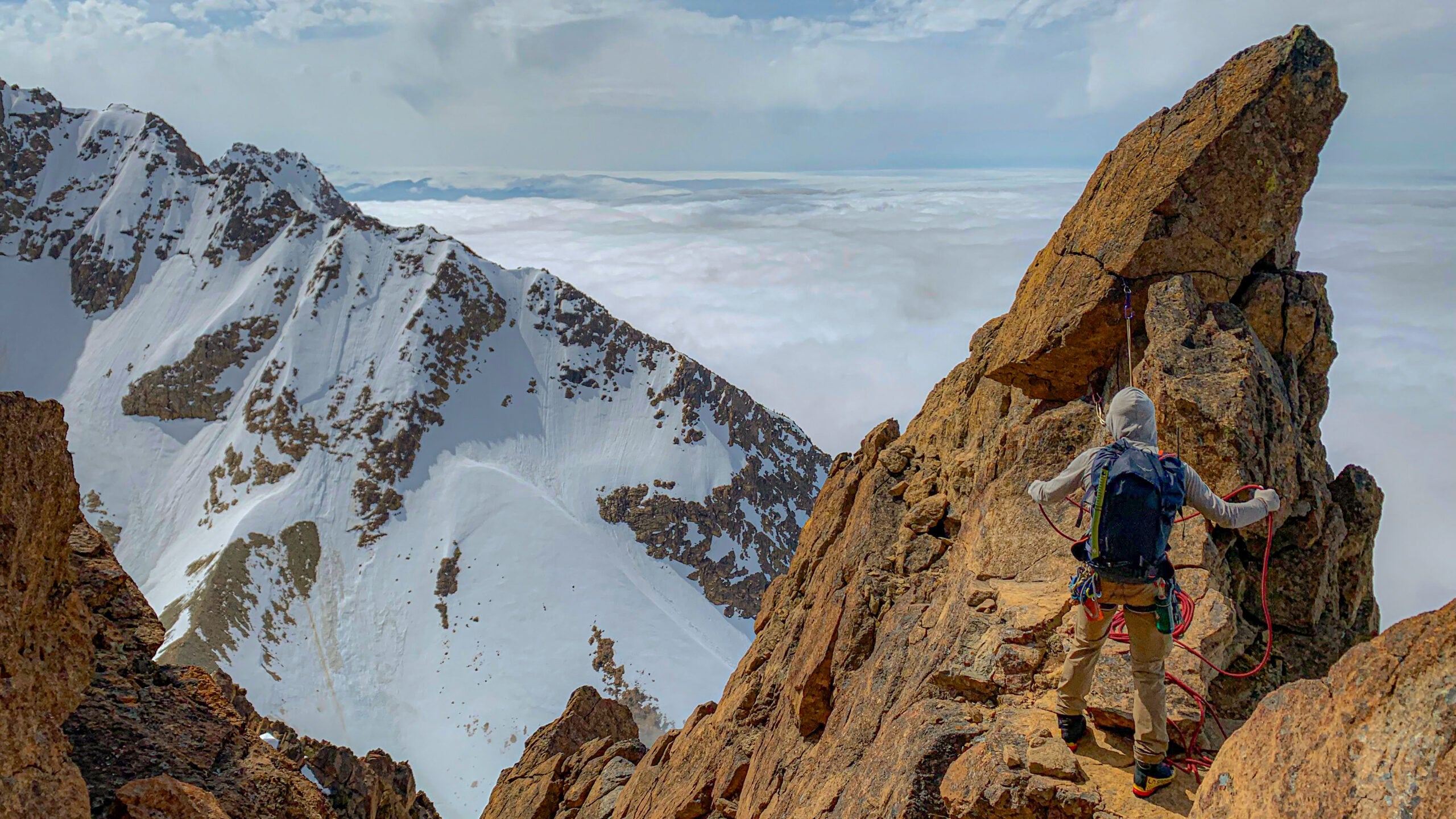
If you choose to climb a difficult route, ski a remote line, or travel into a high-risk environment, you should have a plan for what you will do if you can’t continue. Can you retreat? Can you shelter in place? Can your team assist an injured partner? Can you self-extract?
Rescue is an important part of the outdoor safety system, but it should never be your primary plan.
The best rescue is often the one you never need.