


























If you’ve climbed at an established crag in North America, there’s a good chance you’ve clipped a Leeper hanger—whether you realized it or not. These thin, stamped-steel bolt hangers were among the most widely used climbing anchors throughout the 1970s and 1980s. Designed by climbing pioneer Greg Leeper, they protected thousands of classic sport and traditional routes and helped shape the modern climbing landscape.
Today, however, many of these hangers have reached—or exceeded—their expected service life.
The primary concern with Leeper hangers is metal fatigue. Unlike modern stainless-steel hangers, many Leepers were manufactured from relatively thin steel. Over decades of use, repeated falls, corrosion, freeze-thaw cycles, and environmental exposure can weaken the metal. Fatigue cracks often develop around the bolt hole or at the bend in the hanger, creating the potential for failure under load.
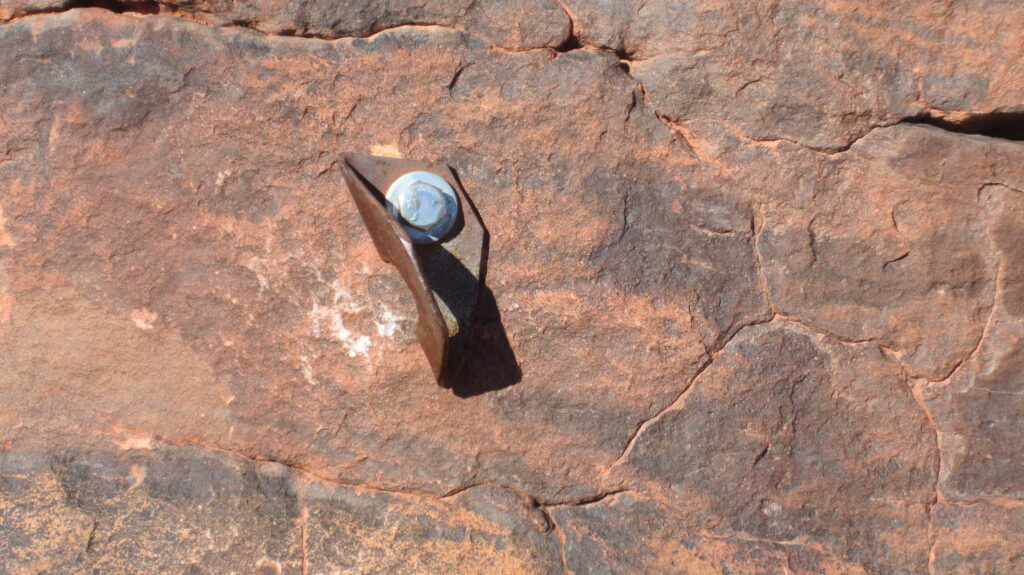
The challenge is that fatigue isn’t always visible. While obvious cracks, corrosion, deformation, or excessive rope and carabiner wear are clear warning signs, a hanger that appears perfectly normal may still have internal damage caused by years of cyclic loading. That uncertainty makes aging fixed hardware one of the more difficult hazards to assess.
When climbing on older routes, it’s worth taking a moment to evaluate every piece of fixed protection. Inspect hangers for rust, cracks, bending, spinning, or unusual wear. Consider the age of the route and whether the hardware has likely been replaced. Whenever possible, avoid taking unnecessary falls on questionable fixed gear. Good judgment is an important part of risk management, especially when climbing on routes established decades ago.
Fortunately, the climbing community has invested tremendous effort into replacing aging hardware. Organizations like the American Safe Climbing Association, local climbing organizations, land managers, and dedicated volunteer rebolters have spent years upgrading aging Leeper hangers and obsolete bolts with modern stainless-steel hardware that meets current strength standards. Their work preserves the character of classic routes while significantly improving climber safety.
At the American Alpine Institute, we believe stewardship extends beyond teaching technical climbing skills. Through partnerships with the American Safe Climbing Association, local climbing coalitions, land managers, and volunteer rebolting teams, AAI has helped replace aging Leeper hangers and other obsolete hardware on popular climbing routes. Rebolting is slow, physically demanding, and expensive work that is largely carried out by volunteers and supported through donations. These efforts help ensure that future generations can safely enjoy historic climbs while preserving the routes that have shaped climbing for decades. Every replaced bolt is an investment in the future of our climbing community and a reminder that caring for our crags is a responsibility shared by all climbers.