










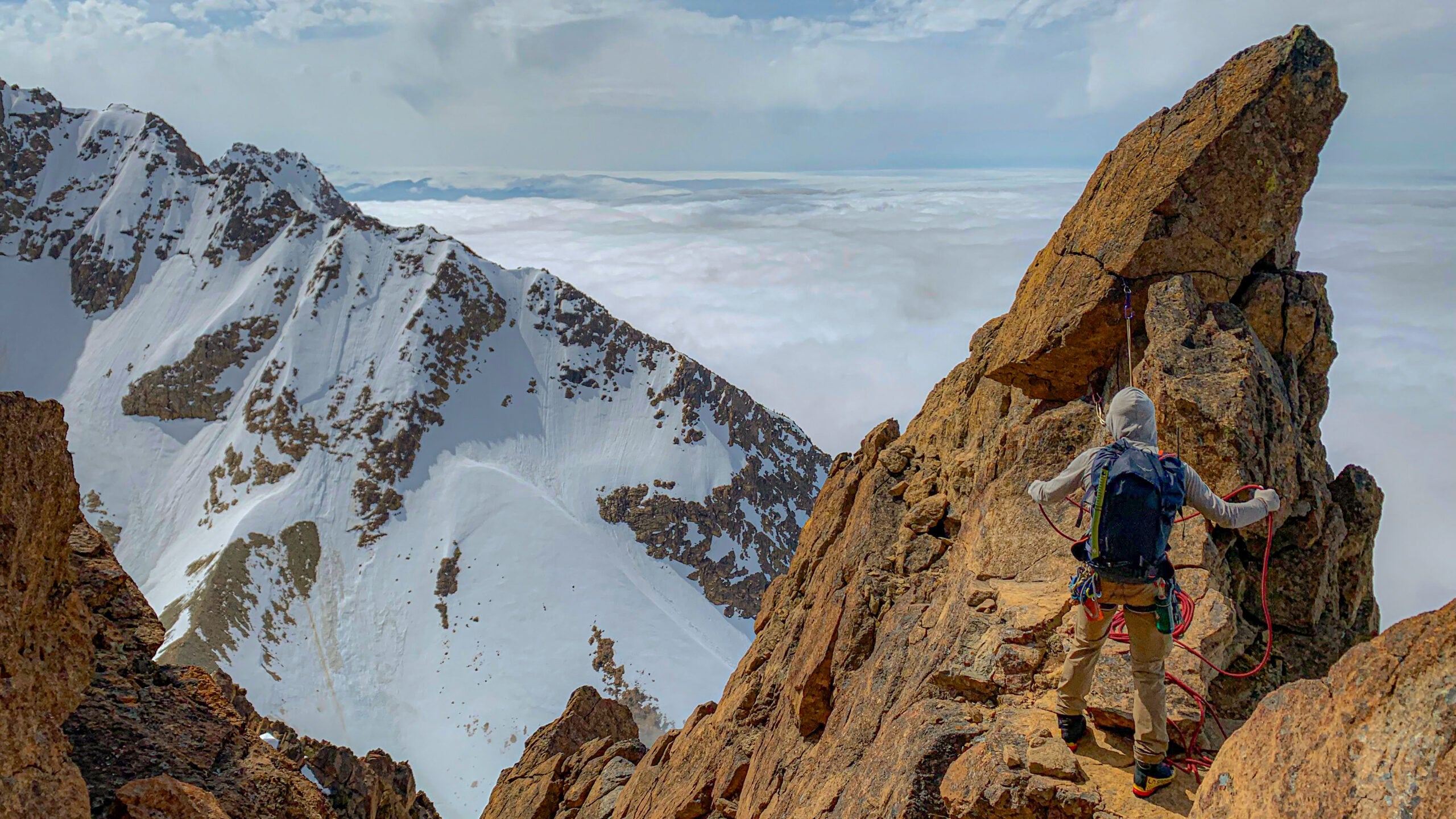


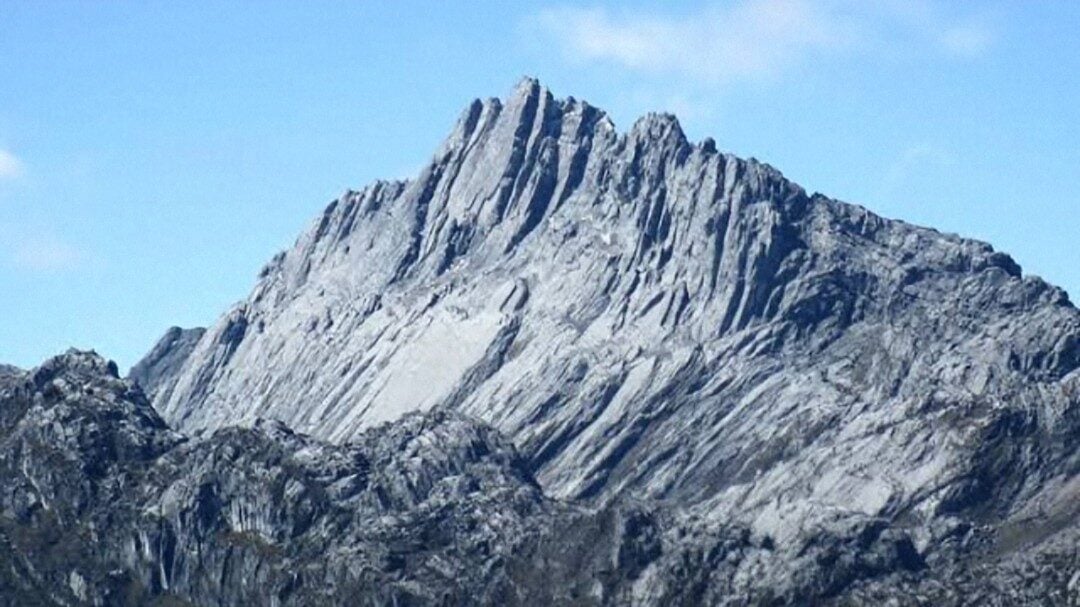


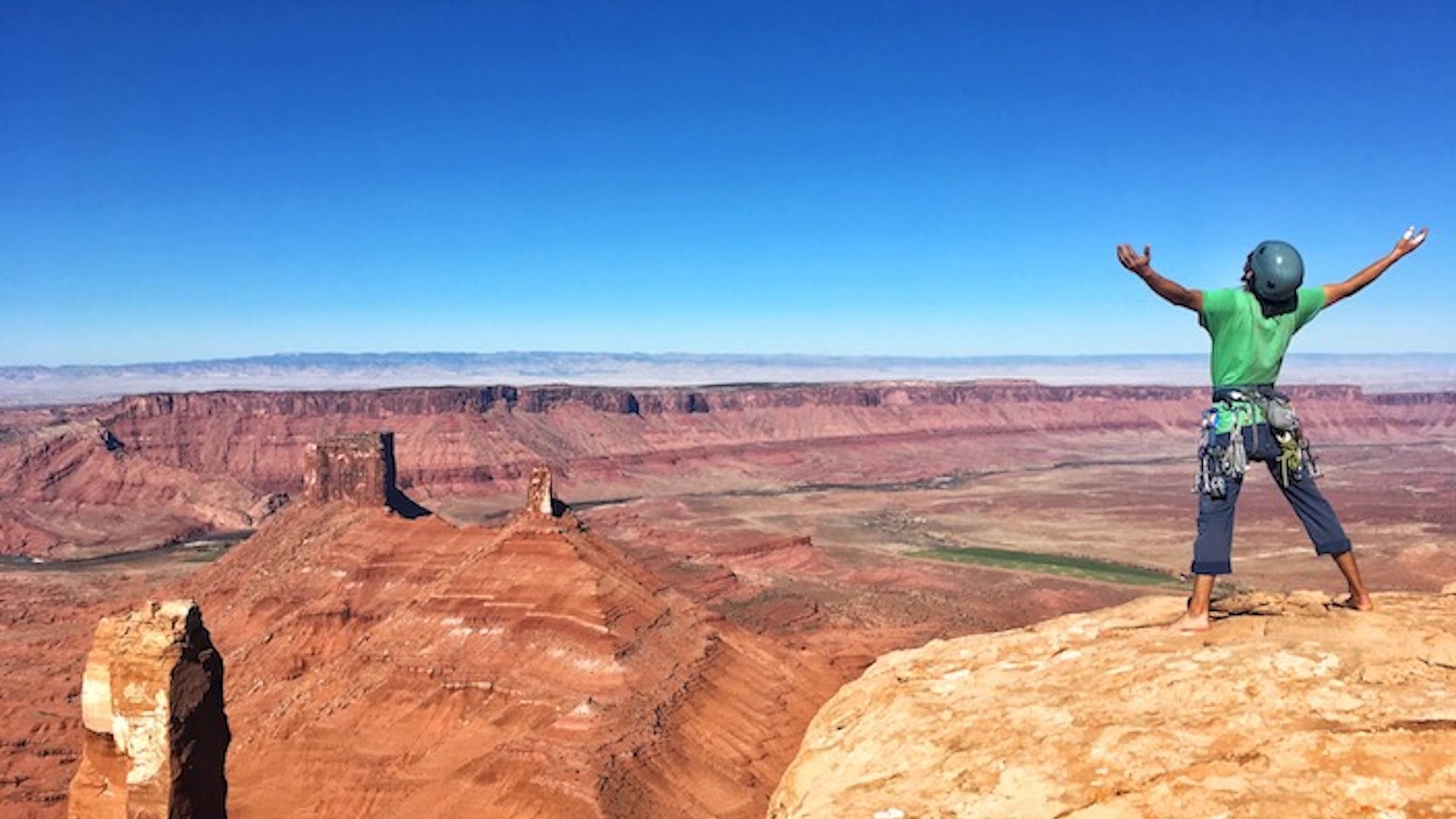
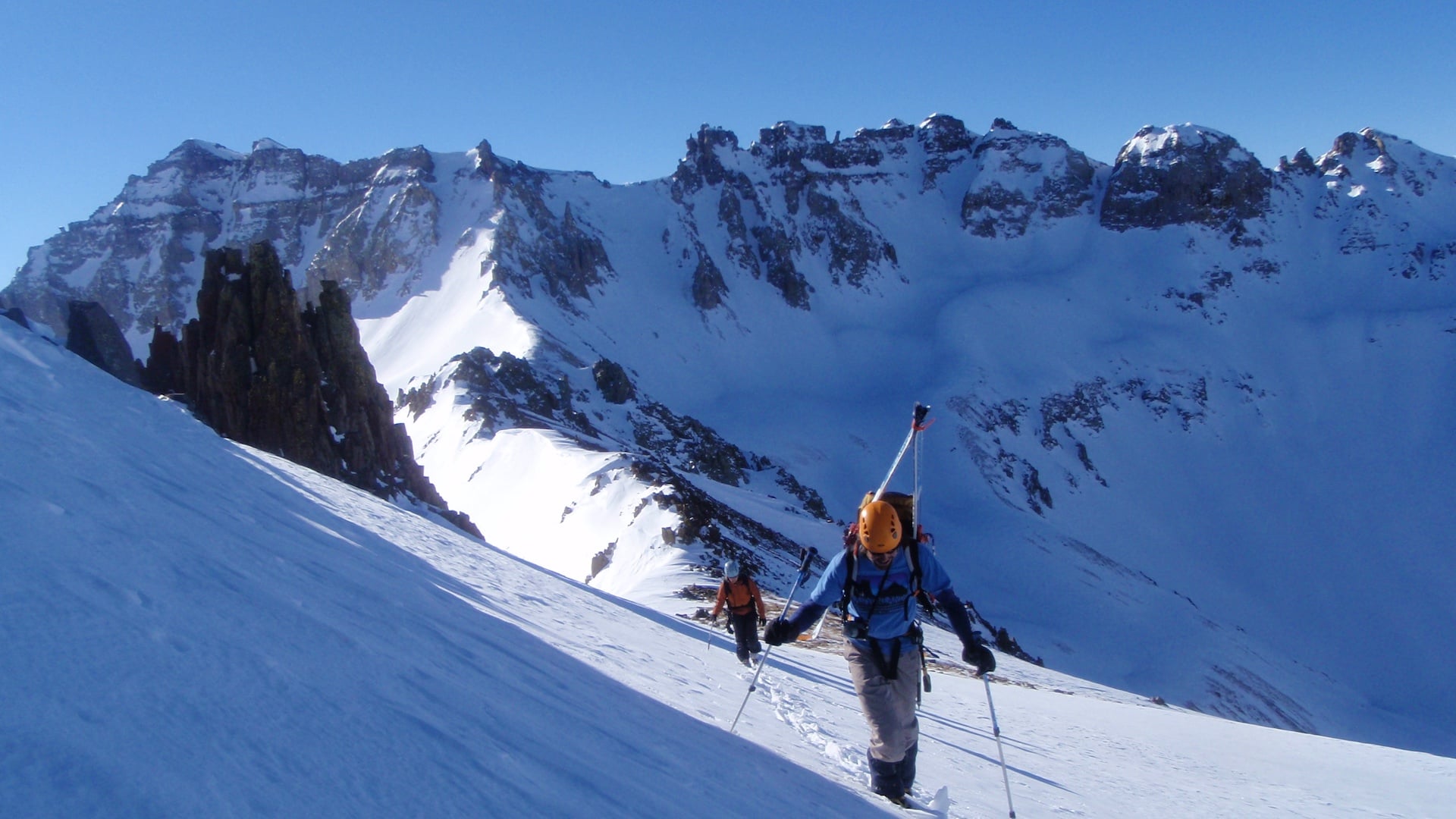
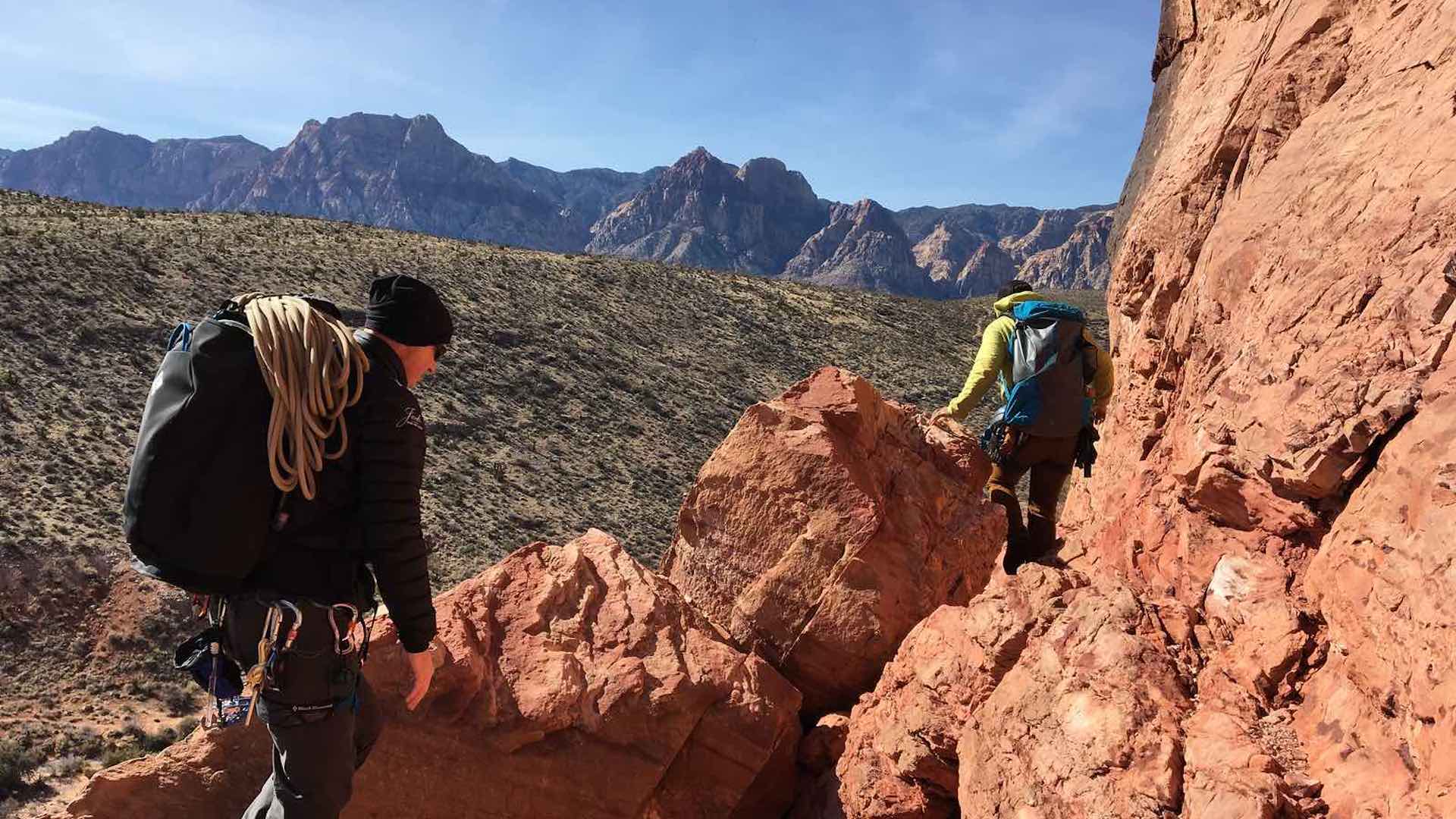

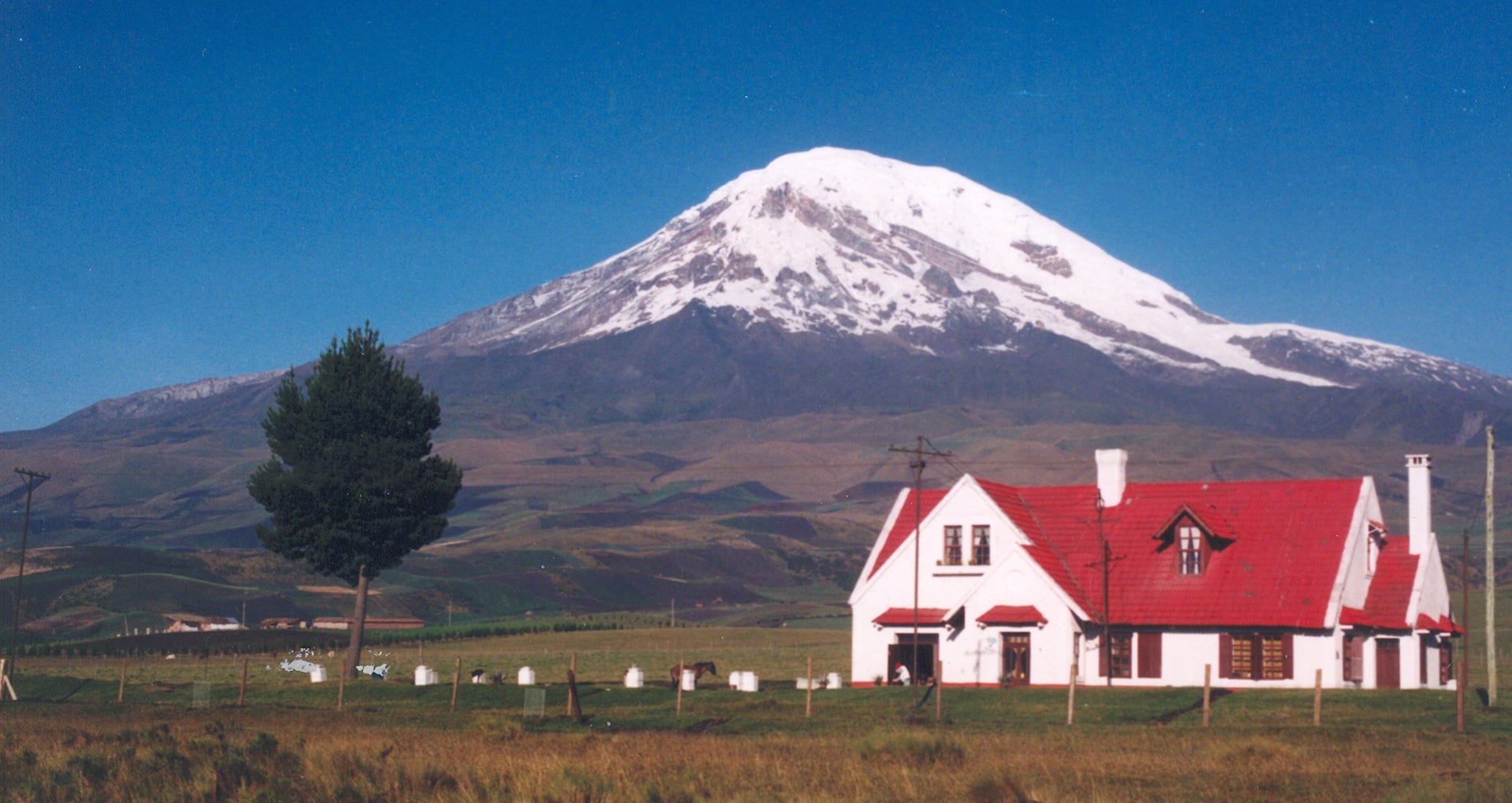

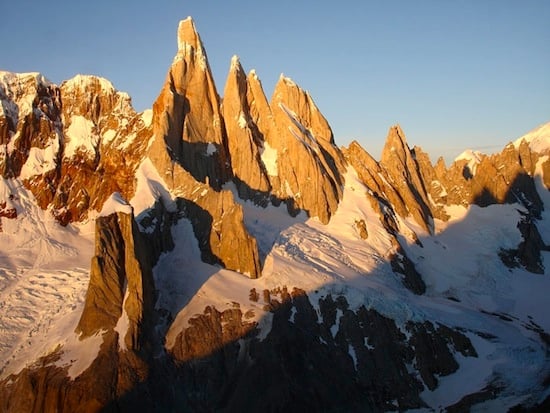
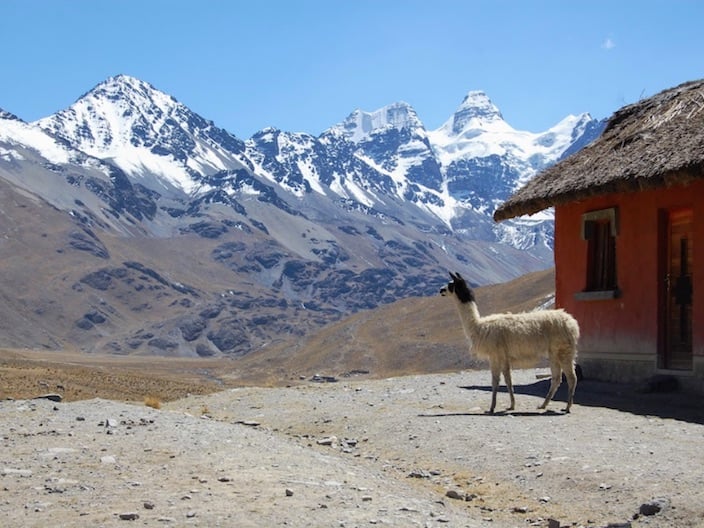





Since its founding in 1975, the American Alpine Institute has believed that climbing is about more than reaching the top of a route or standing on a summit. It is about developing skills, building community, and caring for the wild places where we climb. That philosophy has guided AAI’s approach to mountain education and conservation for nearly five decades, including a long-standing commitment to maintaining and replacing aging fixed climbing hardware.
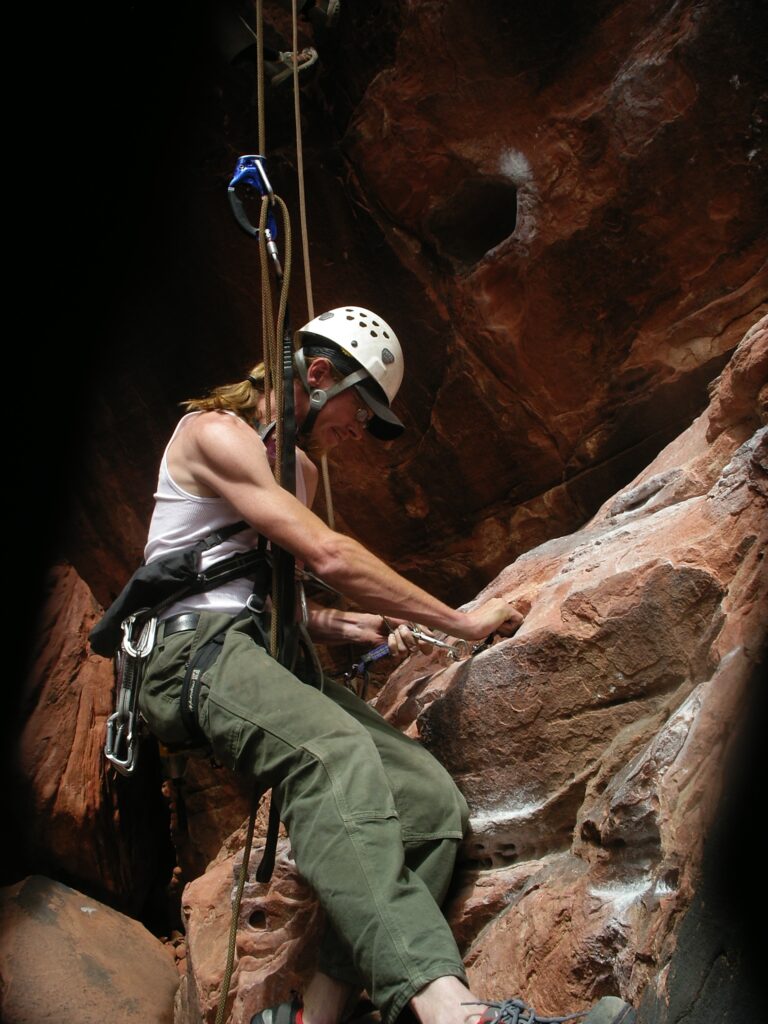
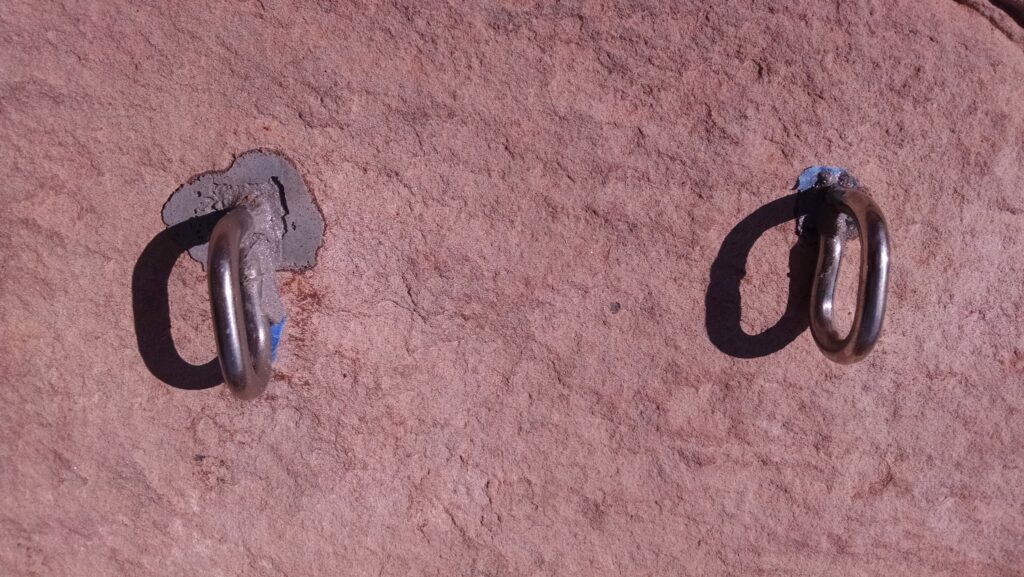
Bolt replacement is one of the least visible but most important forms of climbing stewardship. Unlike first ascents or new route development, rebolting rarely earns recognition. The work often involves long days on established routes, removing old hardware, drilling new holes, and installing modern bolts and anchors designed to provide reliable protection for future generations of climbers.
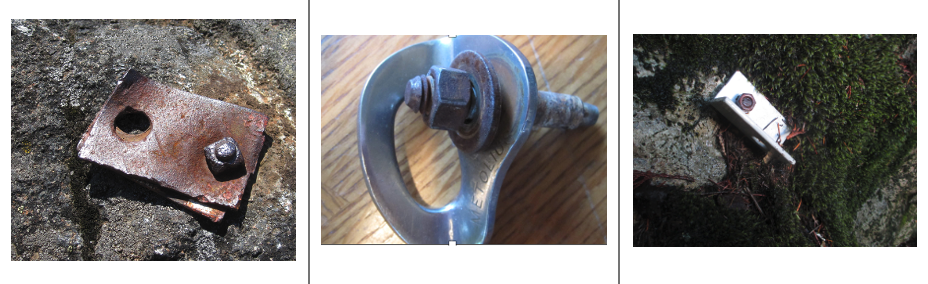
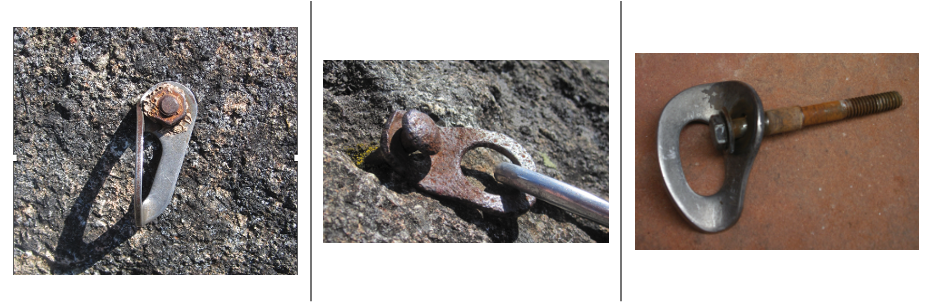
Many climbing routes across the United States were established decades ago using hardware that has now reached the end of its useful life. Exposure to weather, moisture, freeze-thaw cycles, and corrosion can gradually compromise bolts and anchors. Some deterioration is obvious, while other damage occurs inside the metal and cannot be seen during a casual inspection. Responsible replacement helps ensure that climbers can continue to enjoy established routes while preserving the history and character of the climbing areas.
Over the years, American Alpine Institute guides have participated in bolt replacement and anchor maintenance efforts at climbing areas throughout the West. These projects have often been completed in partnership with local climbing organizations and volunteer groups that understand the unique needs and ethics of their communities. By combining local knowledge, technical expertise, and modern anchor standards, these collaborations help ensure that aging hardware is replaced thoughtfully and responsibly.
For AAI, bolt replacement is also an extension of education. Guides who participate in these projects gain a deeper understanding of anchor systems, rock quality, corrosion, and the complexities of fixed-anchor decisions. Those lessons become part of the instruction provided to climbers learning everything from basic outdoor climbing skills to advanced leadership and guide-level techniques.
The work also reflects a broader responsibility to the climbing community. Every climber benefits from the efforts of those who came before—people who established routes, built trails, maintained access, and protected climbing areas. Replacing old hardware is another way of giving back.
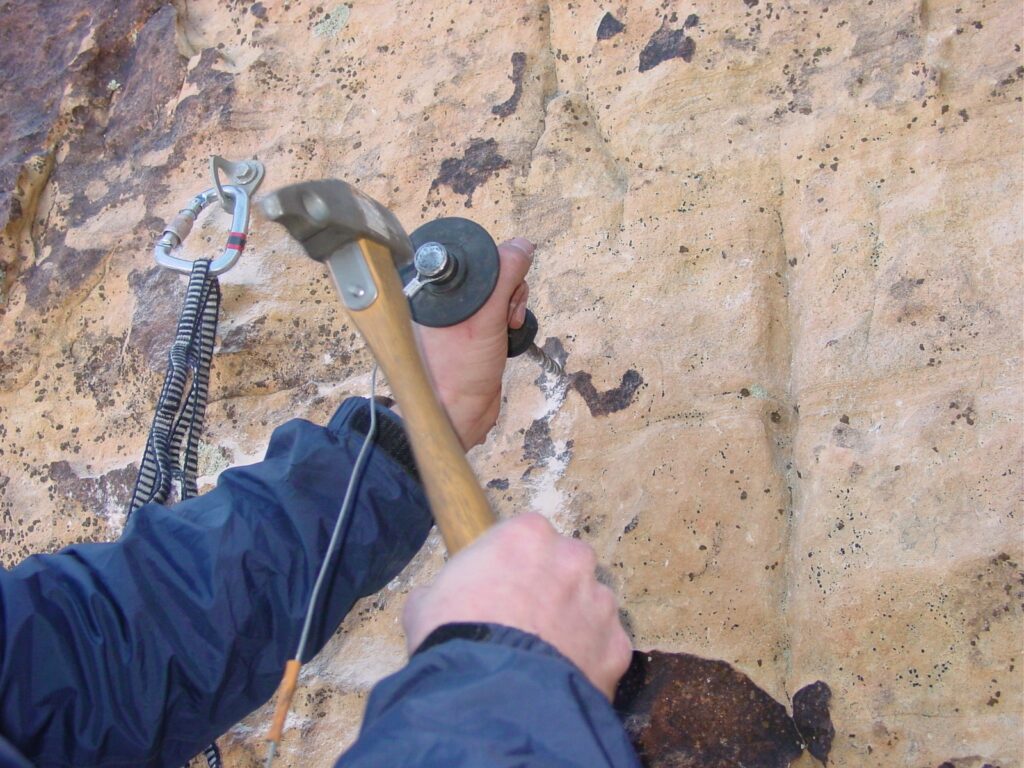
AAI’s commitment to bolt replacement reflects the organization’s larger mission: creating skilled climbers and responsible stewards of the mountain environment. Whether through Leave No Trace education, public lands advocacy, or maintaining climbing infrastructure, the goal is the same—to ensure that wild places and climbing opportunities remain available for generations to come.
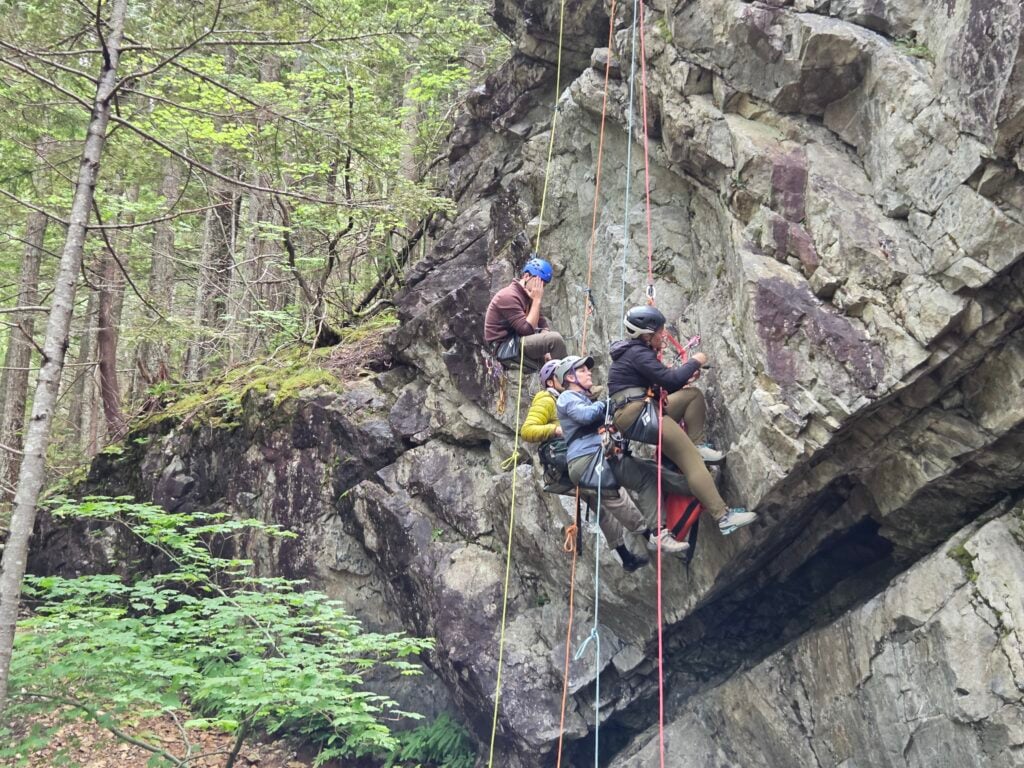
Replacing bolts may not receive the attention of a dramatic ascent, but it is essential work. It represents respect for the past, responsibility in the present, and an investment in the future of climbing.