











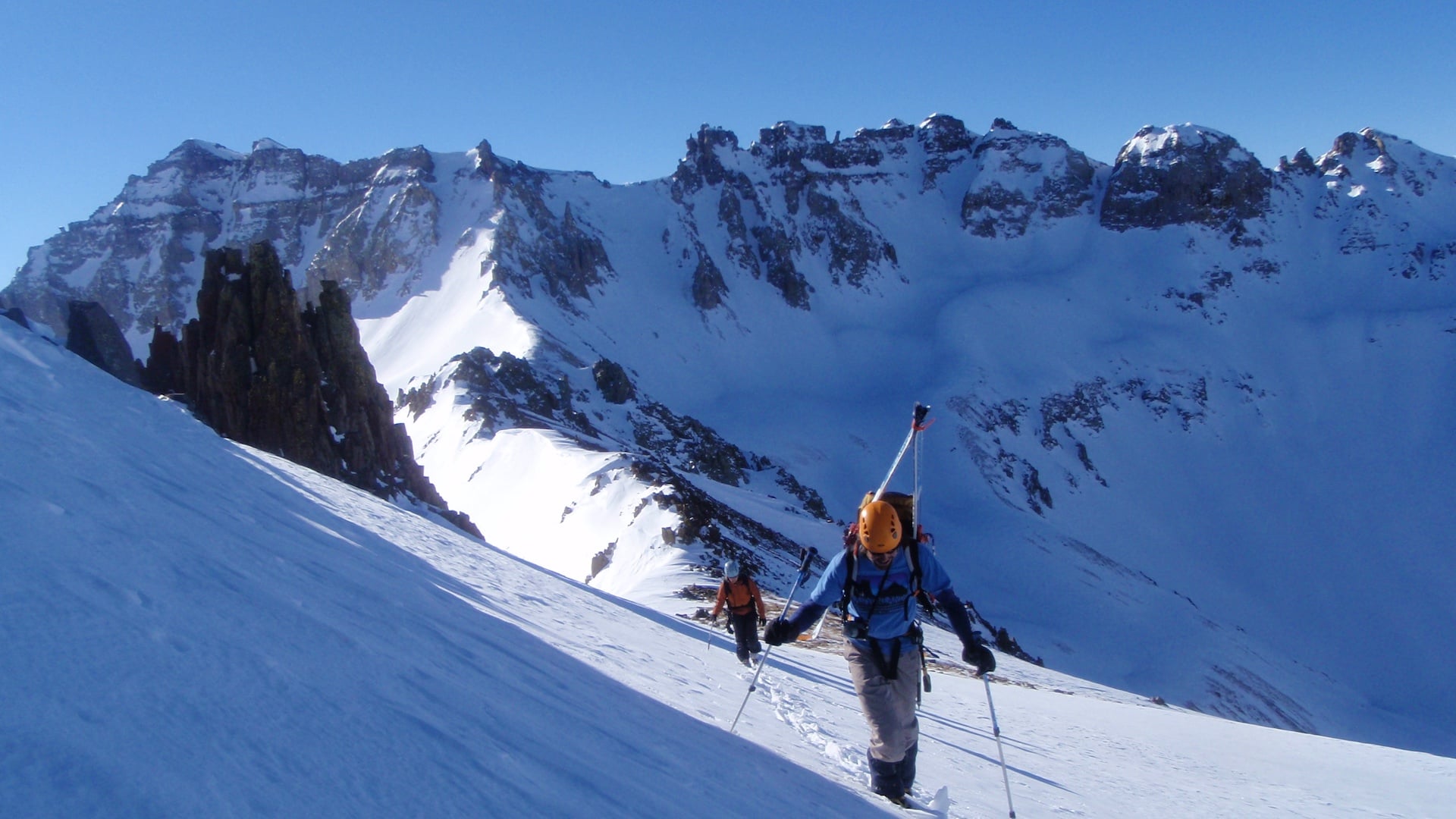



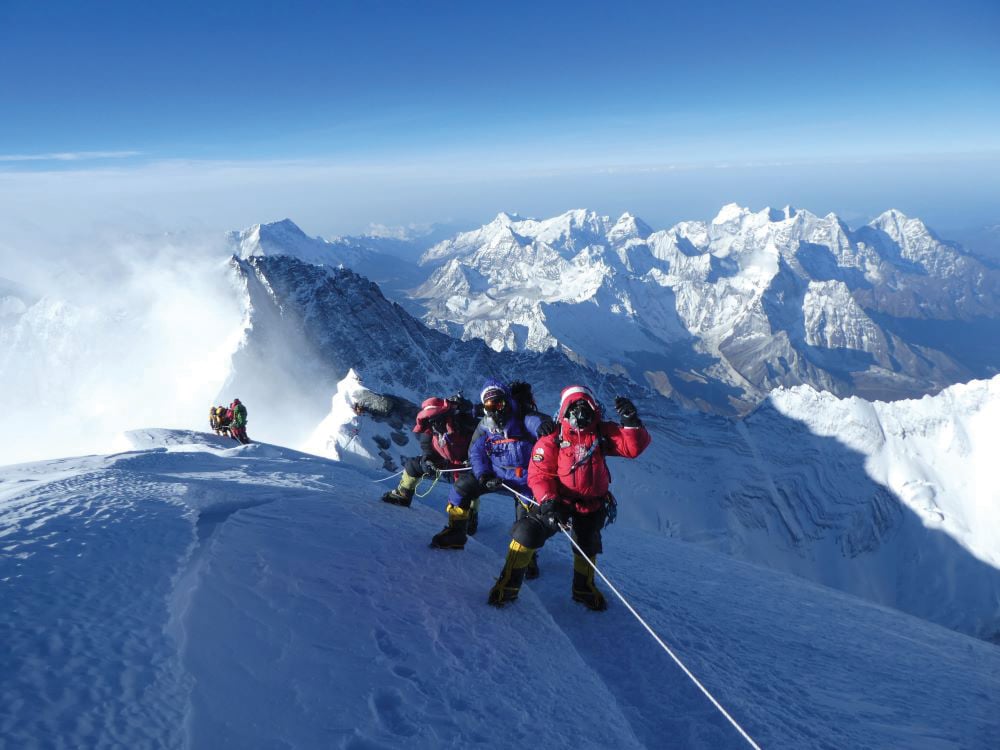

As the Alaska climbing season approaches in May and June, the threat of expedition frostbite on Denali becomes a primary concern for mountaineers. While most climbers focus on protecting their fingers and toes, it is equally vital to guard vulnerable “hot spots” like the tip of the nose, cheeks, and ears. Modern gear, such as heated gloves or socks, can be literal lifesavers, but technology is no substitute for efficient movement.
On a mountain where windchills can plummet to -83°C, speed is safety. “System failure”—such as fumbling with headgear or moving too slowly on a grueling descent—drastically increases exposure time. If you are struggling on summit day and your pace drops, your body’s ability to pump warm blood to your extremities fails. To survive Denali, you must have your systems dialed and your transitions seamless before you ever step onto the glacier.
Critical Frostbite Factors on Denali
- Physiologic Altitude: Because of Denali’s sub-arctic location, the barometric pressure is lower than at the equator. This makes the 20,310-foot summit feel much higher, reducing oxygen levels and slowing the circulation needed to keep extremities warm.
- Vulnerable “Hot Spots”: While everyone worries about fingers and toes, the tip of the nose, cheeks, and ears are frequently overlooked. These areas have less blood flow and are often the first to suffer from “silent” frostnip.
- Movement Speed & Efficiency: Speed is a safety factor. If you are struggling and moving slowly on the descent, or constantly “messing around” with your headgear, you increase your exposure time. Efficient transitions are vital to maintaining core heat.
- Environmental Extremes: Frostbite accounts for 18% to 25% of medical consultations on the mountain. Rangers emphasize a “zero tolerance” policy for numbness; once sensation is gone, freezing can occur in minutes.
- Gear & Technology: Utilizing heated gloves or socks can significantly decrease the likelihood of injury for those prone to cold, provided they don’t lead to a false sense of security that results in staying out too long.
Pro-Tip for May/June Expeditions
Ensure your “layering transitions” (changing gloves, adding a parka) can be done in under 60 seconds without exposing bare skin to the wind.