










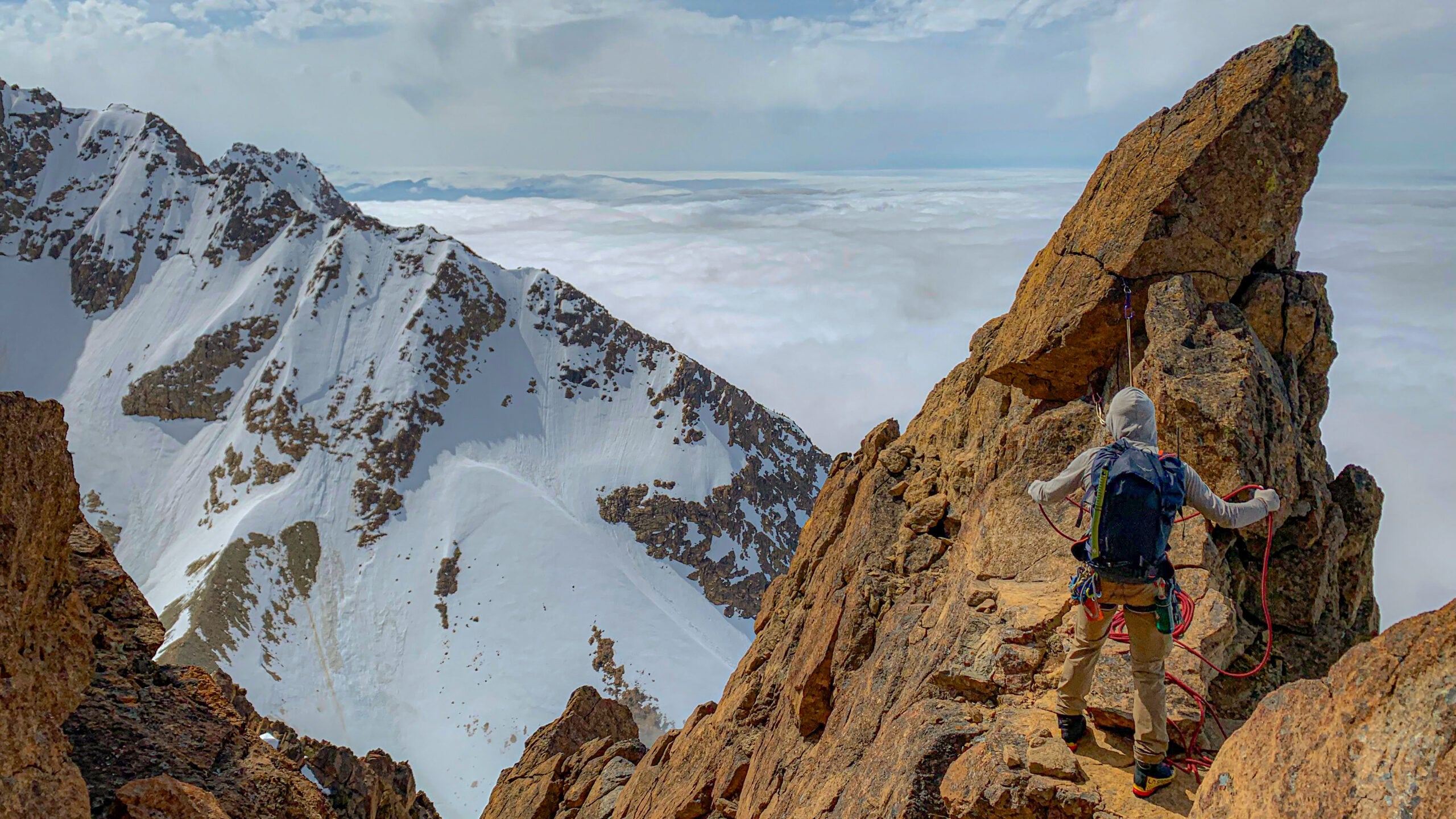






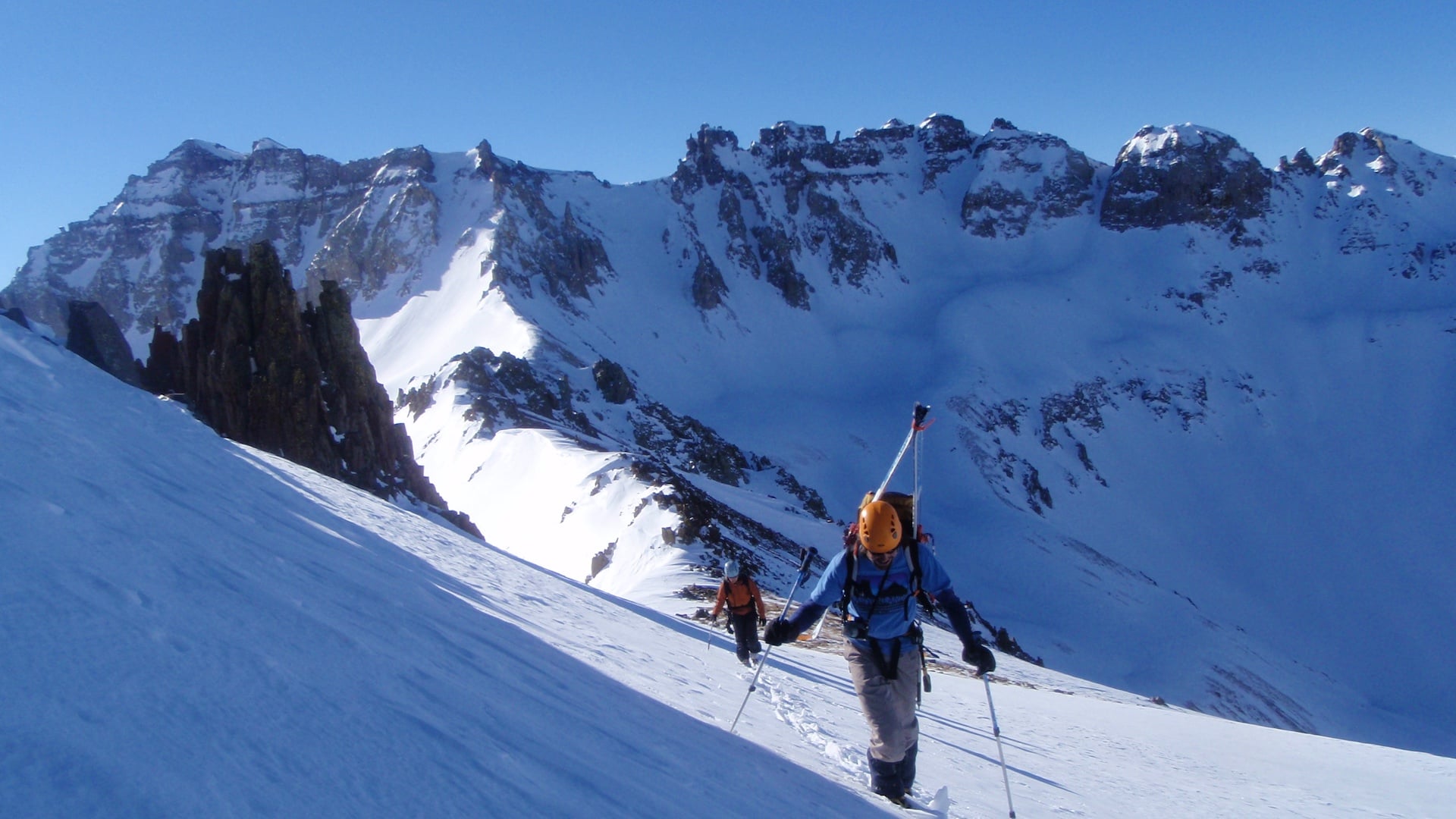



When assessing avalanche hazard, few concepts matter more—and are more misunderstood—than the difference between the windward and leeward sides of a slope. Wind doesn’t just make you cold and grumpy; it actively rearranges snow, often turning a harmless slope into a loaded gun.
The windward side of a slope faces into the prevailing wind. As wind scours this side, it erodes and transports snow away, often leaving behind firmer, thinner snowpacks, sastrugi, or even exposed crusts. While windward slopes can still avalanche, they are often lower hazard than their leeward counterparts because they’ve been stripped of excess snow. Think of the windward side as the mountain’s bad haircut—ugly, but less likely to hurt you.

The leeward side, sheltered from the wind, is where the real trouble tends to brew. Snow transported from windward slopes gets deposited here, forming wind slabs—dense, cohesive layers of snow that can sit atop weaker layers. These slabs are notorious for being stubbornly stable… right up until they’re not. Leeward slopes often look smooth, pillowy, and inviting, which is part of the problem. If avalanche terrain had a siren song, it would sound like a leeward slope on a bluebird day.
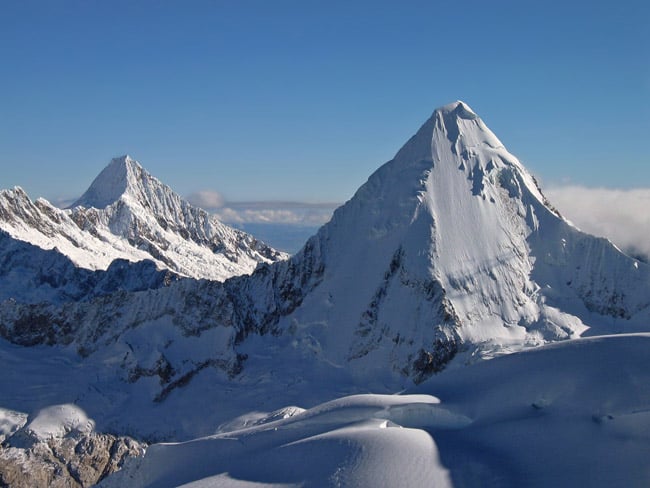
Wind loading doesn’t just happen during storms. Moderate winds following snowfall can rapidly increase hazard, and wind slabs can form far from ridgelines, wrapping around terrain features, cross-loading gullies, and sneaking into places people don’t expect. Cornices—those overhanging lips of snow—are another leeward red flag, signaling significant wind transport and potential instability below.
The takeaway? Always consider recent wind direction and strength when evaluating terrain. Identify where snow has been removed and where it has been deposited. Favor scoured, windward features when conditions are touchy, and treat smooth, leeward slopes with healthy skepticism. In avalanche terrain, pretty snow is often suspicious snow—and the wind is usually the accomplice.