











What is a Glissade?
In short, glissading is sliding on snow. It is an incredibly fun endeavor. Indeed, it’s all that more fun when you feel like you don’t have to walk back down the thing you just climbed up. It feels like gravity is paying you back…
There are three styles that people employ.
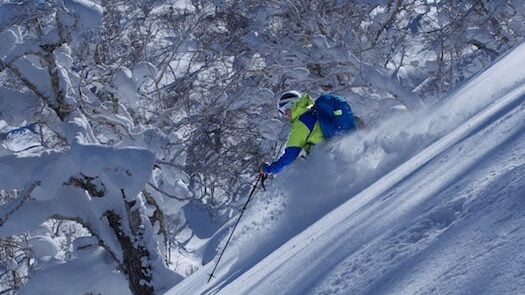
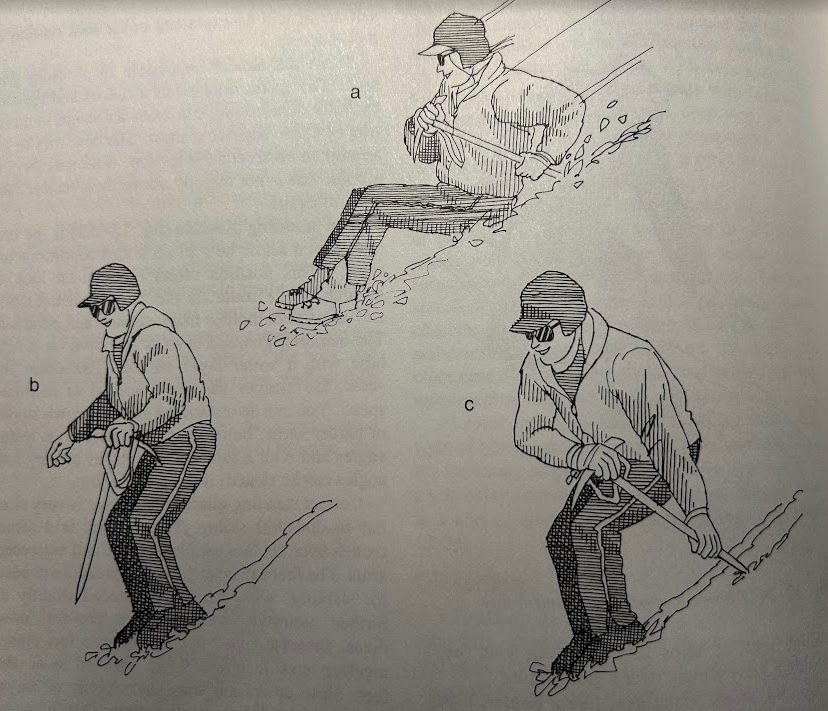
- Standing Glissade: This is when you boot ski standing up. Most people do this to avoid getting their butts wet. But you can be very unsteady in a standing glissade if you you’re wearing a heavy pack.
- Three Point Glissade: This is a standing glissade assisted by an ice axe. In essence, the person is leaning back and pushing the spike of the ice axe into the snow. This can be used to transition from standing to sitting, or to control your speed while standing.
- Sitting Glissade: This is when you are sitting down in the snow and sliding. You’ll use your ice axe to control your speed, usually by putting it across your body and using the spike like a rudder. This is the most common way that people glissade.
Glissade Accidents
Unfortunately, you can find them in just about every issue of Accidents in North American Climbing. They have unwieldy headlines like:
“Climber Injured in Glissade Accident”
“Out of Control Glissade Leads to Fatality”
“Inexperience, Lack of Proper Clothing and Glissade with Crampons On”
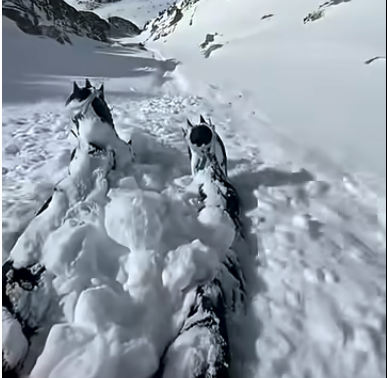
Glissading is an incredibly fun endeavor. I’ve often felt that after achieving a somewhat physical summit that a good glissade run back down makes it all worth it. It’s as if nature gave you something back for all of the work that you did to get up there. The desire to glissade though should be tempered by the reality…and the reality is that a lot of people get hurt glissading.
Most injuries take place because an individual breaks one of the cardinal rules. To stay safe, the best thing to do is to take these rules seriously.
The Cardinal Rules of Glissading
- Never glissade with crampons on. If you’re wearing crampons it means that you’re probably on hard snow or ice. This means that should you glissade, you will slide really fast. If you slide really fast and you catch a crampon spike, your leg will snap like a dry twig. As such one should never glissade with crampons on.
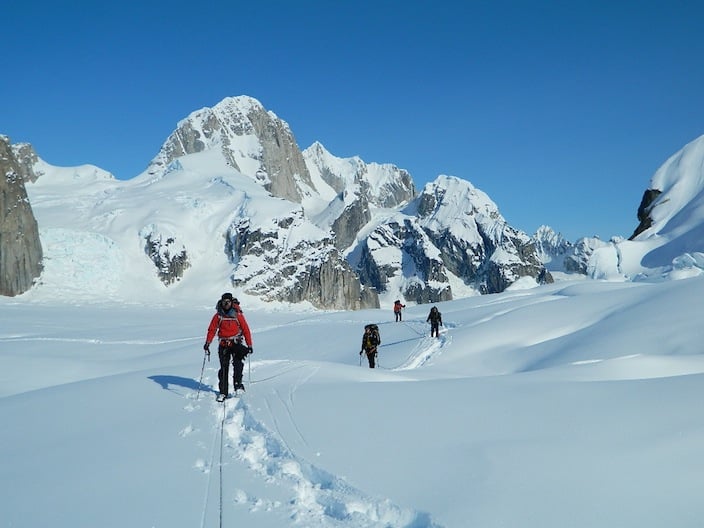
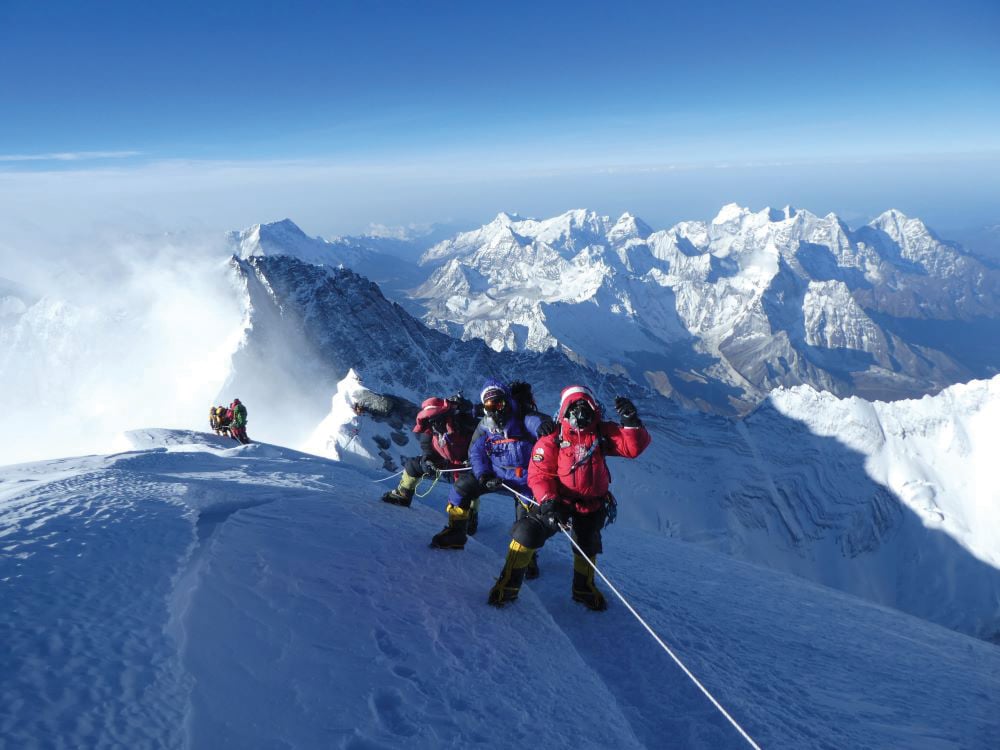
- Never glissade on a rope team. If one person loses control on a rope team, then others may do so as well.
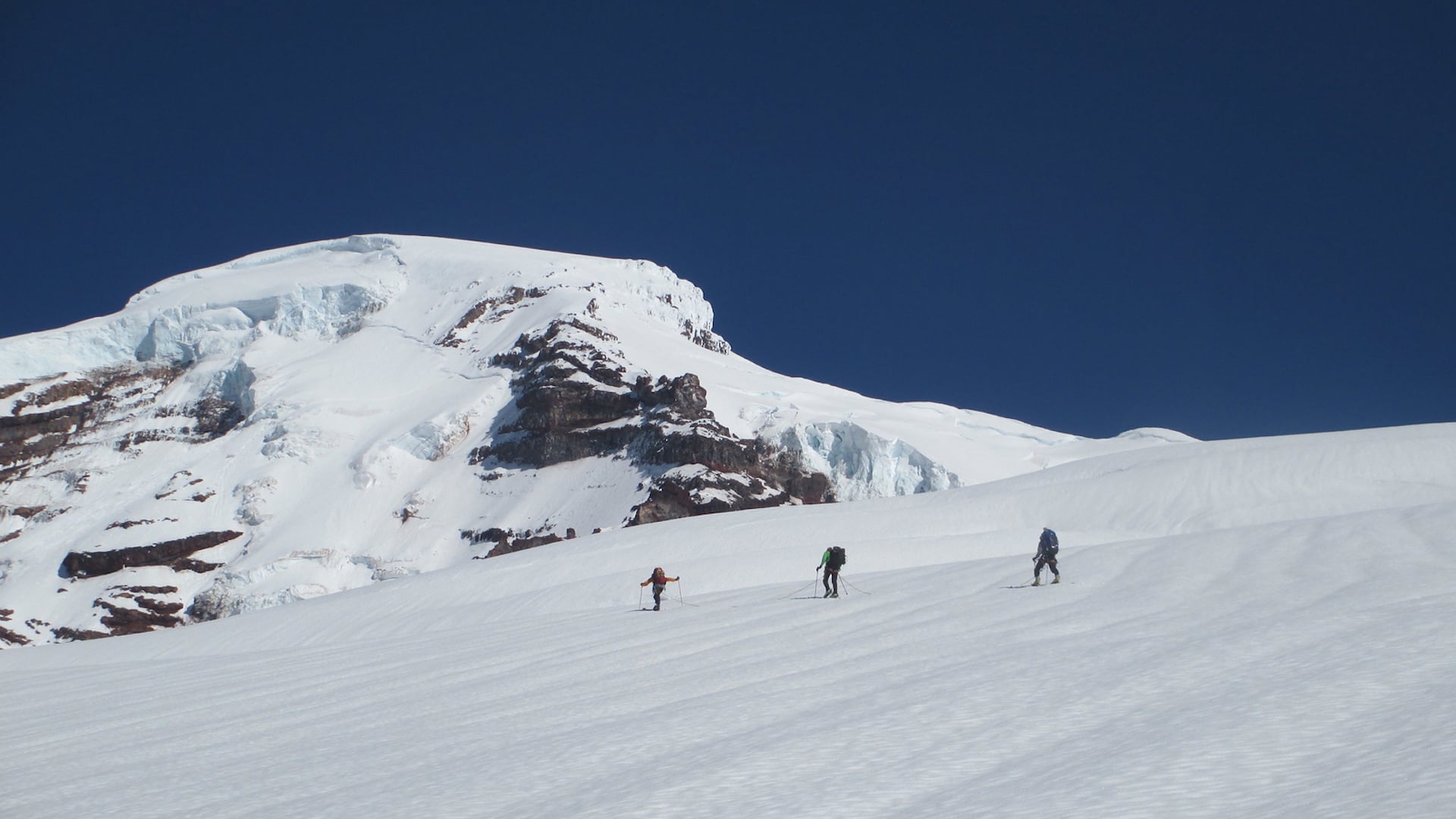
- Never glissade on a glacier. It’s likely that you’ll be roped up if you’re on a glacier so if you do glissade, you will be breaking two rules at once. We don’t glissade on glaciers because of the possibility of hidden crevasses.
- Always make sure that you can see where you’re going. This should make sense. If you can’t see, then you could end up sliding into a talus field or off a cliff.
- Glissade in control. If there’s any question about control, stop.
Some Additional Thoughts
The preceding really are excellent rules to follow, but there are a few other things to consider.
- Wearing a Harness: If you’re wearing a harness, you may damage it. This is especially true on harder more frozen terrain.
- Wearing a Short Sleeve Shirt or Shorts: You may not believe it, but you can get “snow burns.” In other words, the snow can scrape your arms or legs severely, opening up abrasions.
- Jumping Obstacles: Occasionally, when glissading in a trough, there are rocks. Some people are too tired to stop and walk around them. Instead, they try to “jump” the rocks by pushing up off the snow. This can be really bad for your tailbone.
- Helmet: Always consider wearing a helmet.
Things aren’t always black and white in glissading. If there is some question, then the best thing to do is to err on the side of caution. Though you might be tired, sometimes walking down the mountain is the safer alternative.
–Jason D. Martin