










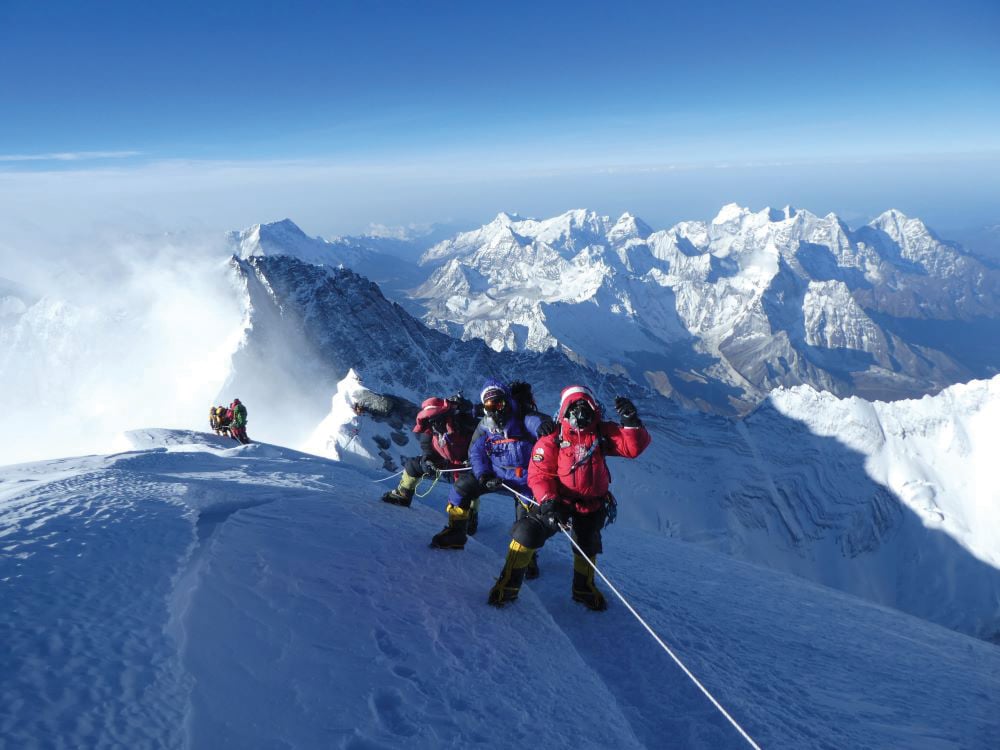






There are three parts to every day in the mountains. The first part is to plan and prepare. The second part is to execute the plan without unreasonable variations. And the third part is to reflect on the day.
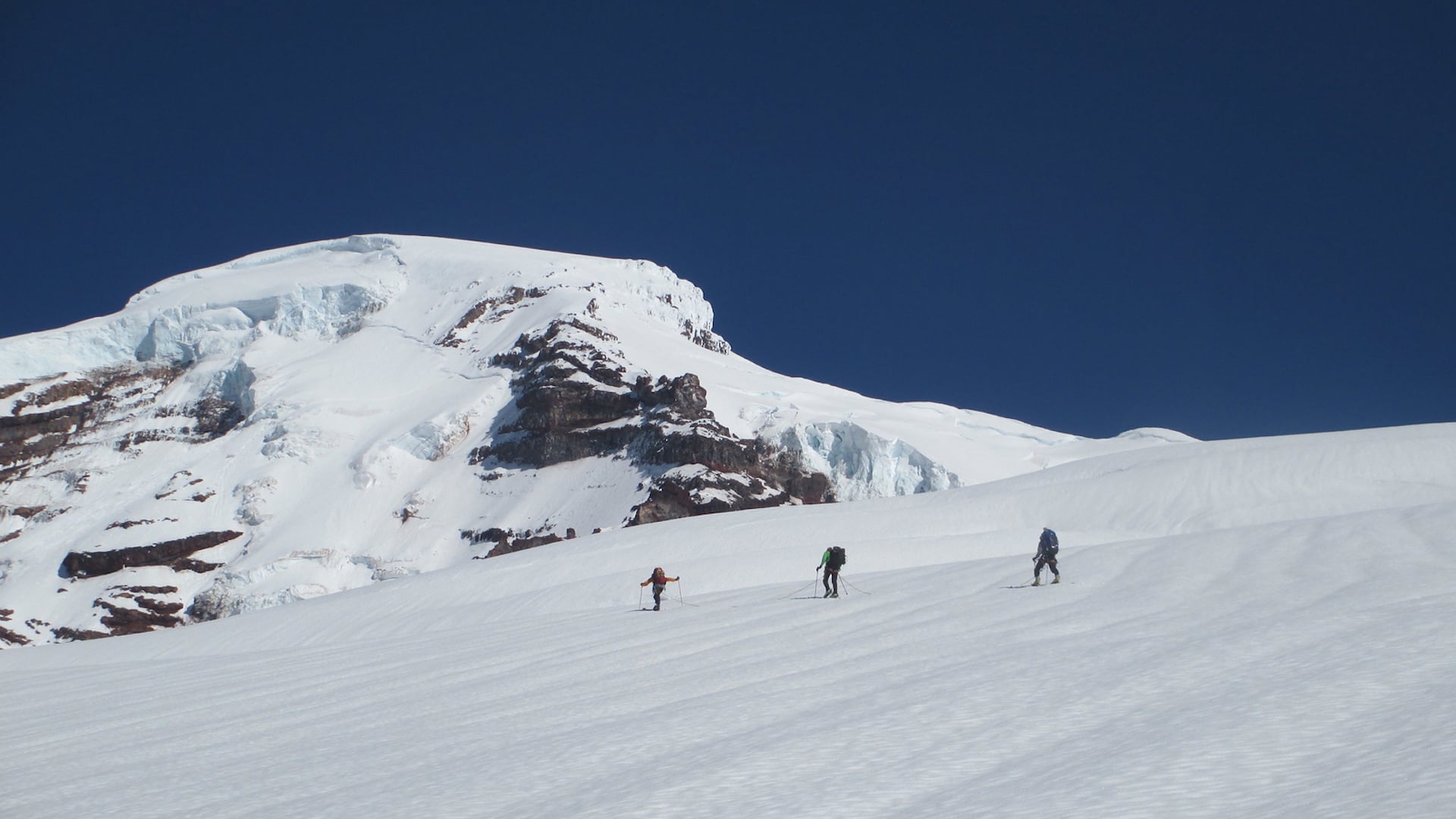
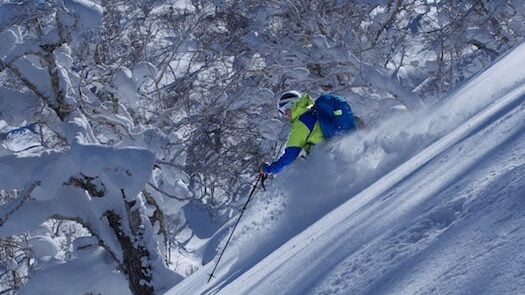
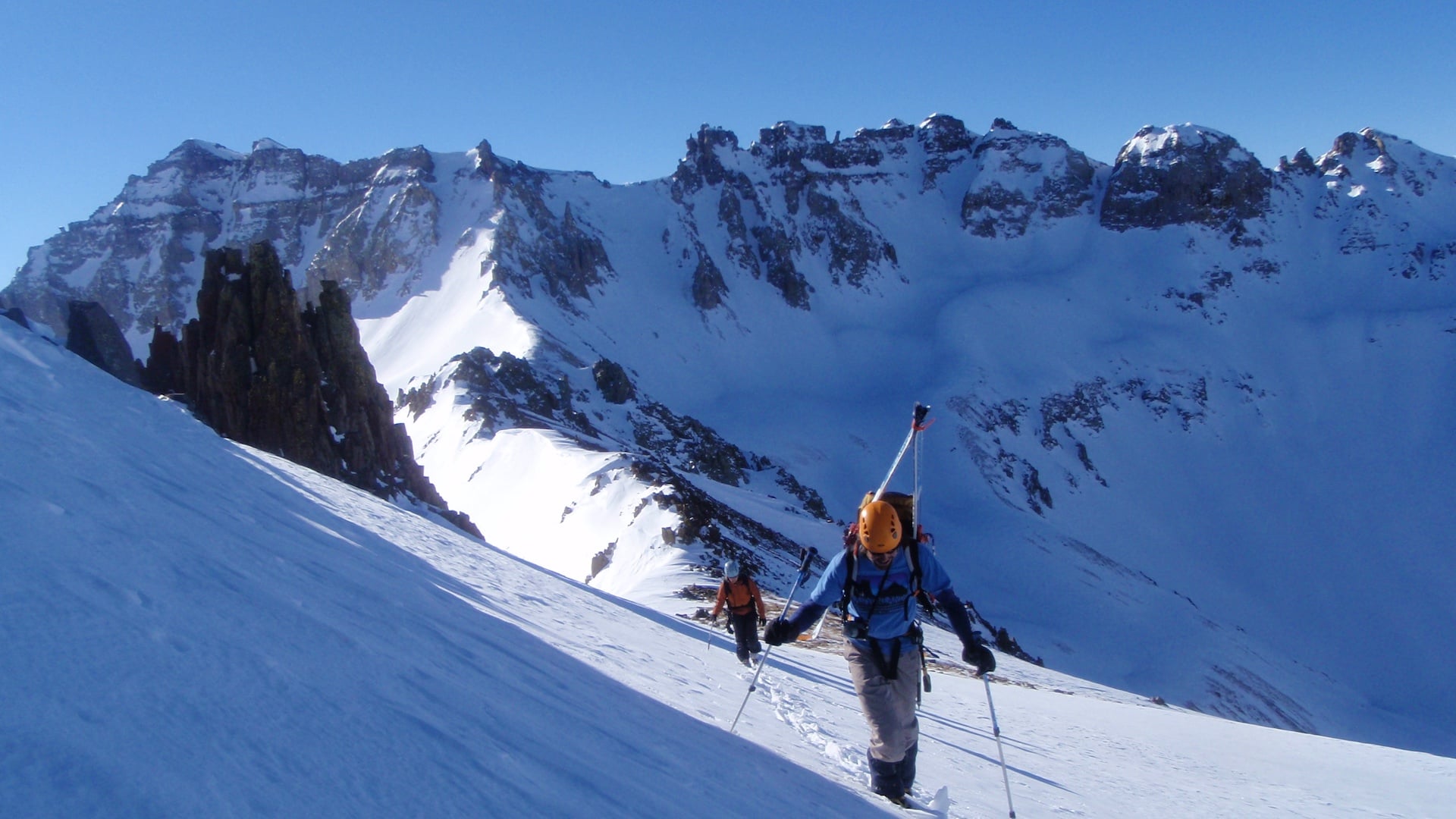
In the early 2000s I was skiing on a day marked as considerable by the Northwest Weather and Avalanche Center. Our plan was to keep it chill. We were going to ski low angled terrain and avoid avalanche slopes.
During the day, we didn’t observe any avalanche activity. The weather was horrible, so we elected to take a steep run back to the car.
As I entered the terrain, the entire slope below me ripped away in a large slab avalanche. I skied out of the path, but everything below me went over a cliff.
This was a close call.
Plan Ahead and Prepare
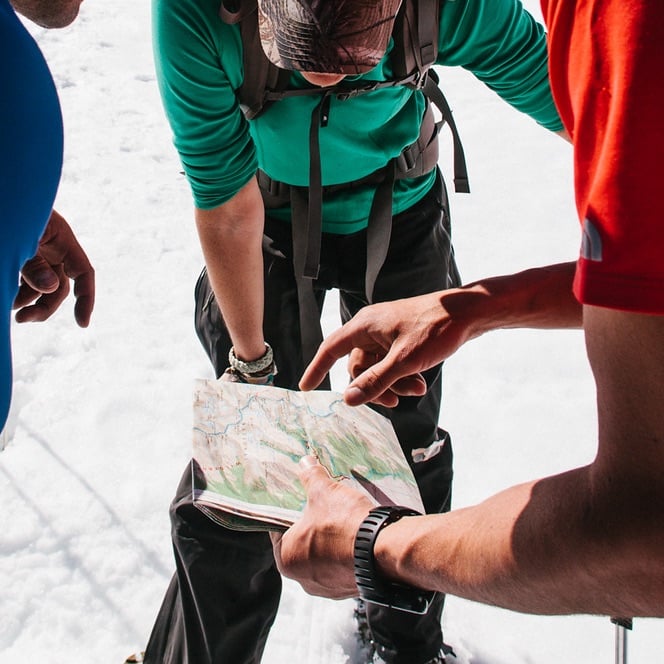
The first part of any day in the mountains should include this. You need to determine your plan, and your backup plan. You need to look at weather and conditions, determine where you’re going on the map and pack the appropriate gear. You also need to agree on the level of risk that you and your partners are willing to take given the conditions.
In the preceding story we did this. We had a plan. We had a backup plan. We had all the appropriate gear. And we had even determined that we weren’t going to ski on certain types of terrain.
Execute the Plan
We started the day following the plan. We skinned up some low angle slopes and skied down. We noted that there was no avalanche debris.
This is where we made a mistake.
Instead of sticking to the plan, we elected to do something new. We elected to ski a line that was “closed” at the beginning of the day. And this is where the close call took place.
Reflection and Review
Even if the day had gone perfectly, we should always think about any minor mistakes that may have taken place:
- Did we have the right gear?
- Did we have enough food and water?
- Did we select an appropriate objective for the group?
- Were we close to our time plan?
But in this case we fell into a heuristic trap. A heuristic is a decision making matrix that allows our brains to take shortcuts in our thought processes. A heuristic trap is how that matrix leads us into danger.
In this particular case, we fell for the back-to-the-barn heuristic trap. We subconsciously decided that there was no hazard and that it would be fine on the final run of the day to do something outside of our plan so that we could get back to the car more quickly.
In reflection, we can see where we screwed up. We did not adhere to our plan and that put us in danger. The result was a close call with an avalanche.
Whenever we have an adventure we should go through this reflection process. And if something went wrong, we should take the broad view and determine what we could have done to mitigate that hazard. This allows us to avoid similar hazards in the future.
Reflection is at the heart of ensuring that you learn as you gain experience in the mountains.
–Jason D. Martin