Information Curriculum

Climbing Skills

  • Selection and use of personal equipment, ropes, knots, and harnesses
  • Design concepts and selection of ice axes and ice tools
  • Proper choice and application of the primary ice axe positions; piolet canne, panne, manche, poignard, ramasse, rampe, ancre, and traction
  • Choice between and application of French, German, and American cramponing techniques
  • Belays on snow and ice
  • Selection and placement of snow flukes and pickets, ice screws for belays and protection
  • The uses of mechanical belaying devices in alpine climbing
  • Free climbing technique on steep snow and ice
  • The integration of specific skills with the goals of efficient and safe climbing


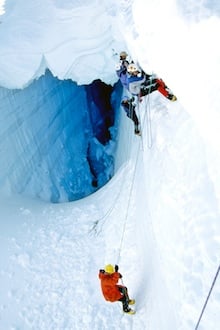
Participants practice crevasse rescue one a wild Alaskan Glacier.

Participants practice crevasse rescue on a wild Alaskan Glacier. AAI Collection.

Glacier Travel, Rescue, and Living Skills

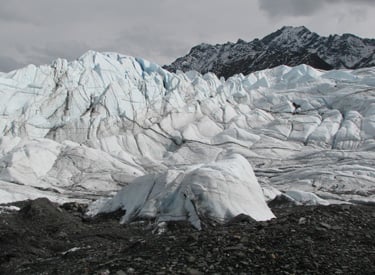
  • An introduction to glacial structures and movement: how to use large external land forms to predict inner glacial structures and hence the difficulties and hazards of a potential route
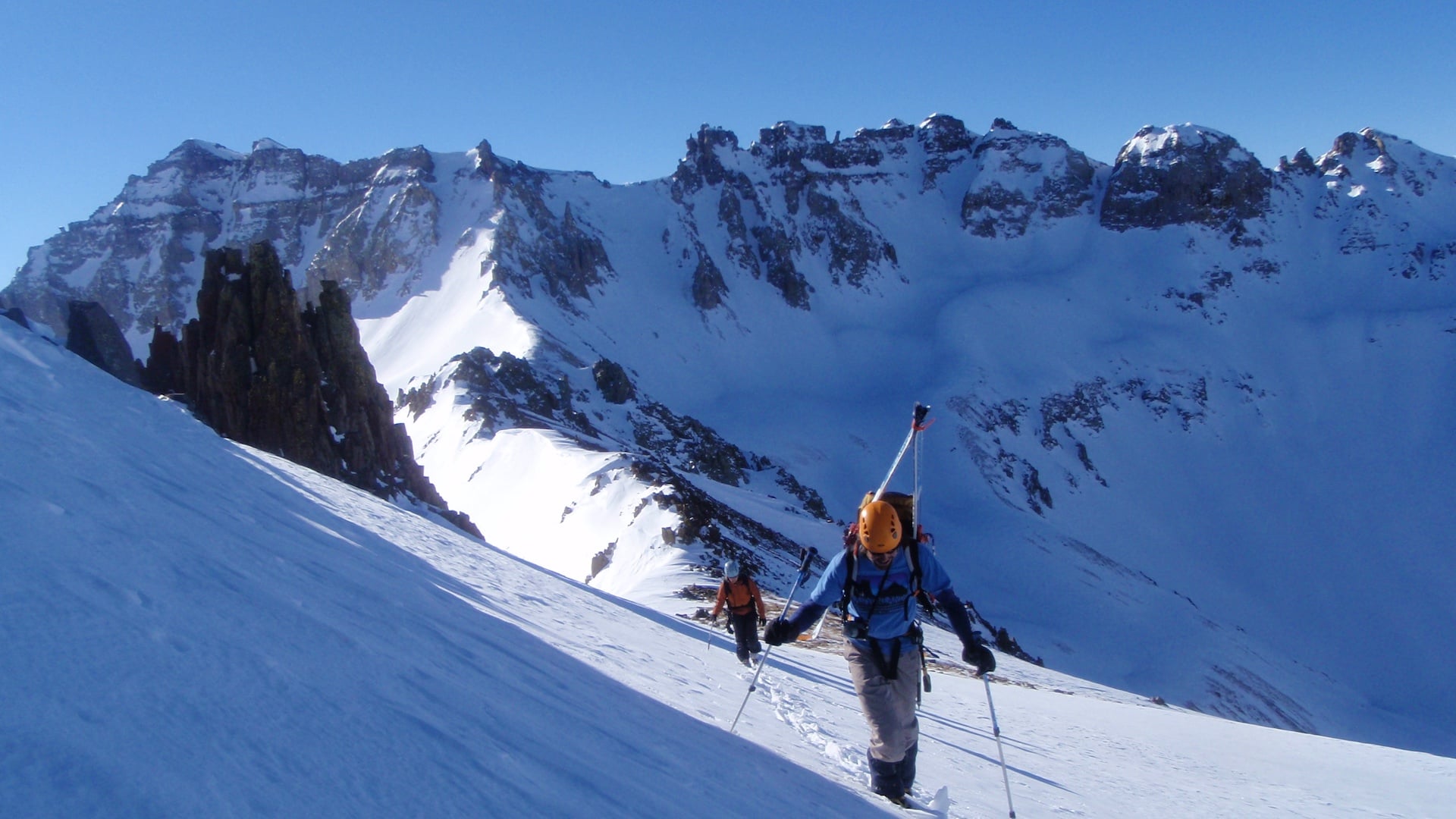
  • Principles of glacier travel while climbing and skiing
  • Individual and team crevasse rescue
  • Route finding and marking in low visibility
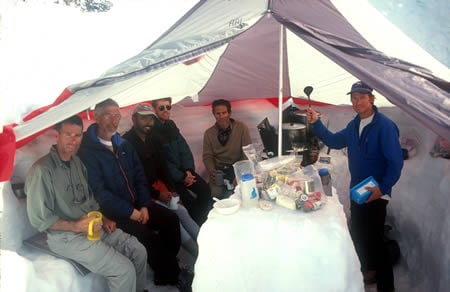
  • Snow cave and igloo construction and living
  • Leave No Trace principles for climbing, traveling, and living in the alpine environment

Expedition and Skiing Skills

  • Discussion of Himalayan, Alaskan and alpine expedition climbing styles with a comparison of their inherent advantages, limitations, and requirements
  • Expedition processes in icefalls and the establishment and ascension of fixed lines
  • Techniques for roped glacier skiing and the use of sleds for transporting gear
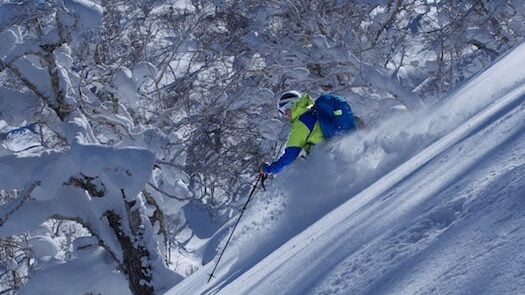
  • Introduction to intermediate and advanced ski techniques

Physics, Physiology, and Medicine of Cold Weather and Altitude

  • An introduction to human physiology in cold weather
  • Preventing and treating cold weather injuries
  • An introduction to human physiology at high altitude
  • Preventing and treating high altitude illnesses

Information Details

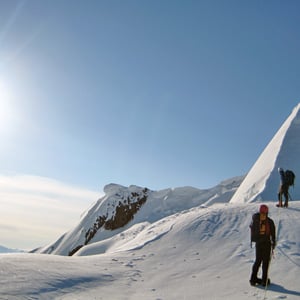
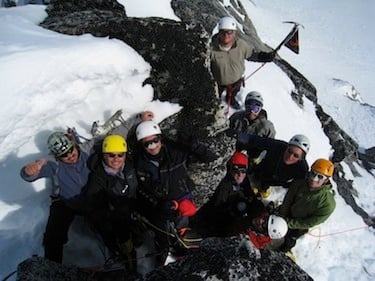
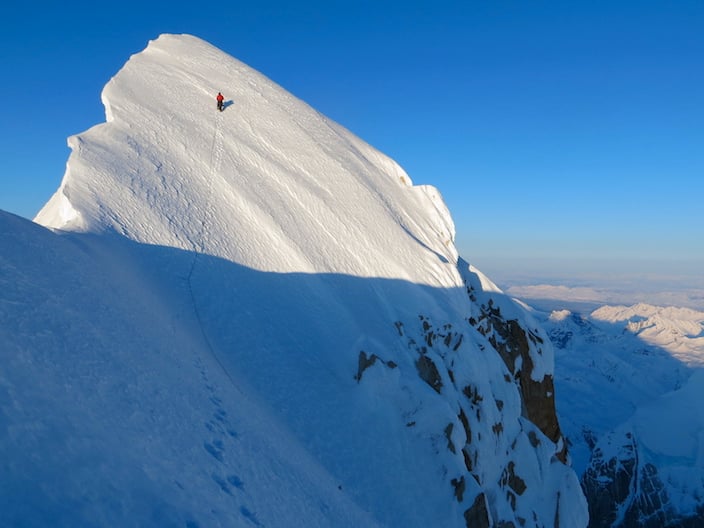
Climbers celebrate a group summit in Alaska.

Climbers celebrate a group summit in Alaska. Kurt Hicks.

Pricing:

This program is currently offered as a private program only. Call 360-671-1505 or email info@alpineinstitute.com for current rates.

Inclusions:

  • Ski plane flights to and from the glacier
  • AAI Mountain Guide services, leadership, and instruction
  • Meals while in the mountains
  • Tents and group cooking equipment
  • Group climbing equipment
  • Mechanical ascenders and custom mountain sleds

Exclusions: Airfare to and from Anchorage; shuttle fees; food and lodging while not on the glacier; rescue and evacuation costs; national park fees; baggage, accident, rescue, and trip cancellation insurances; gratuities to guides; personal equipment.

We offer specialized Denali and expedition style programs in many locations! See the six-day Denali Prep Course offered in Washington’s Cascade Range or the ten-day Alaska Mountaineering Course held in the heart of the Alaska Range.

Information Program Goals

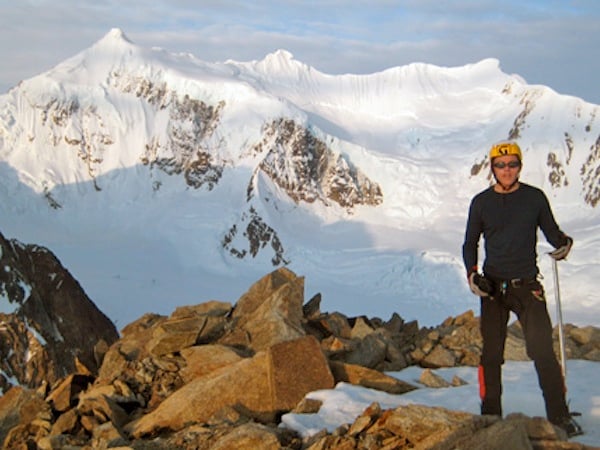
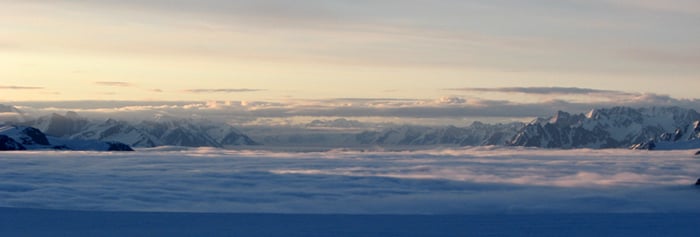
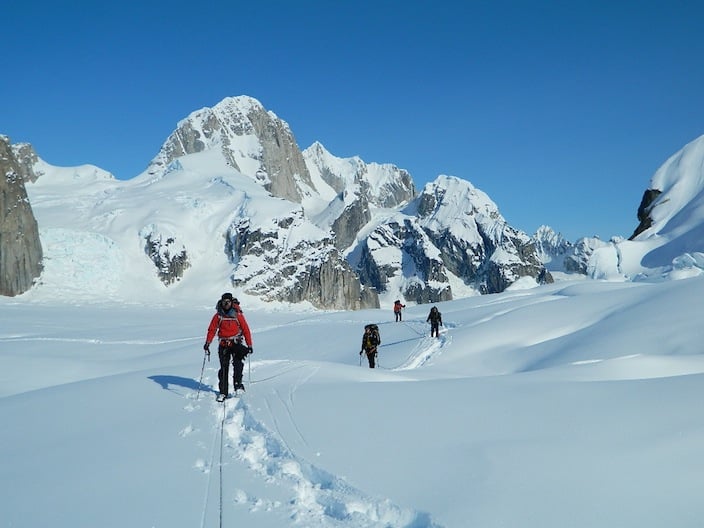
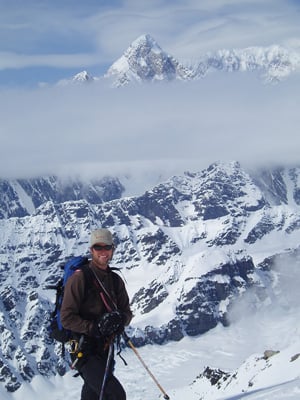
AAI guide Ben Traxler in the heart of the St. Elias Range.

AAI guide Ben Traxler in the heart of the St. Elias Range. Ben Traxler.

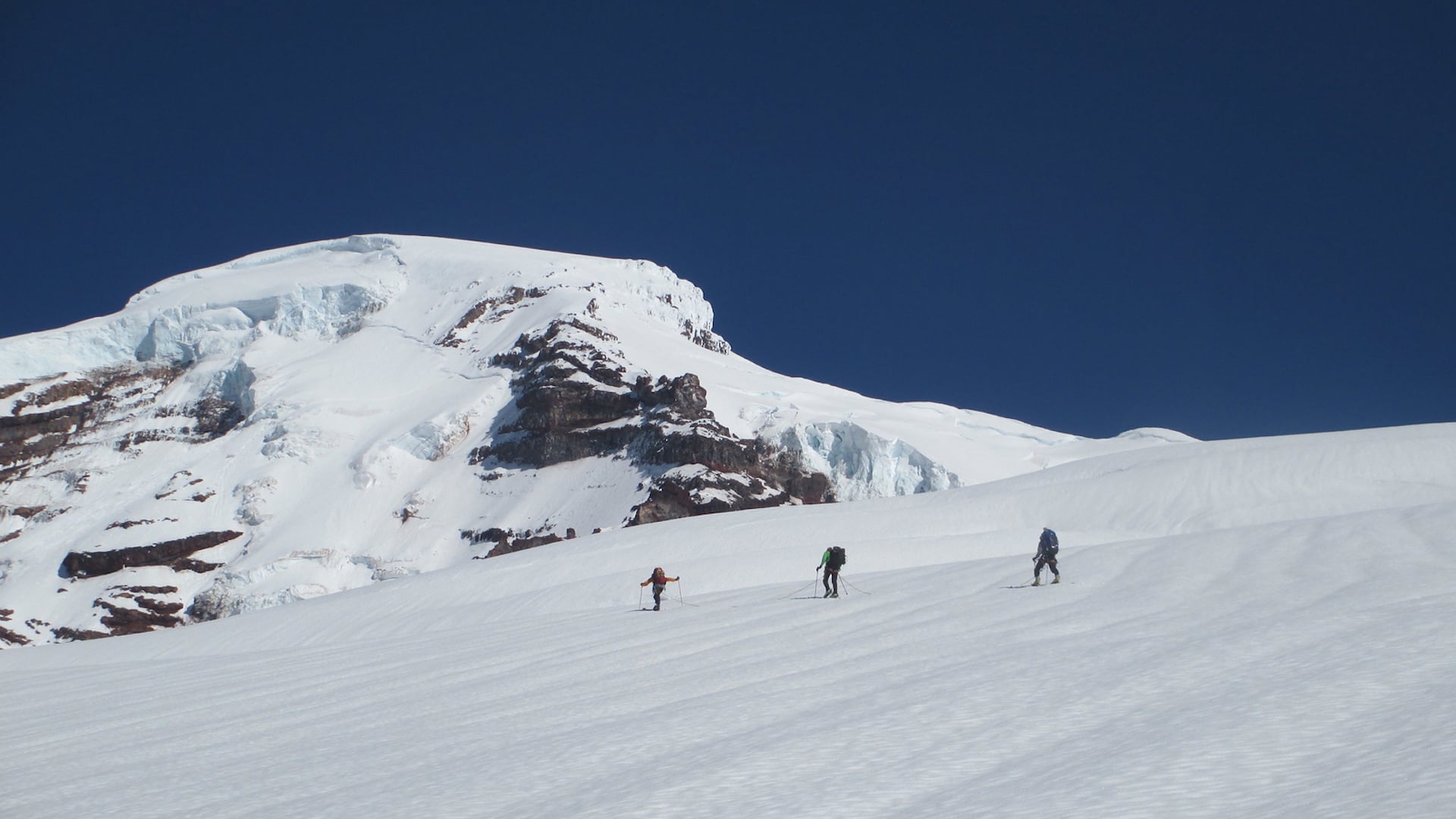
After an orientation in Anchorage, we drive east to the Matanuska Glacier where we spend two days working on snow and ice climbing skills, glacier travel technique, and individual and team crevasse rescue skills. These two days help you develop and advance your technical skills for moderate and steeper terrain, understand and interpret the objective hazards on a glacier, and prepare for successful glacier travel and climbing in the Wrangell-St. Elias mountains.

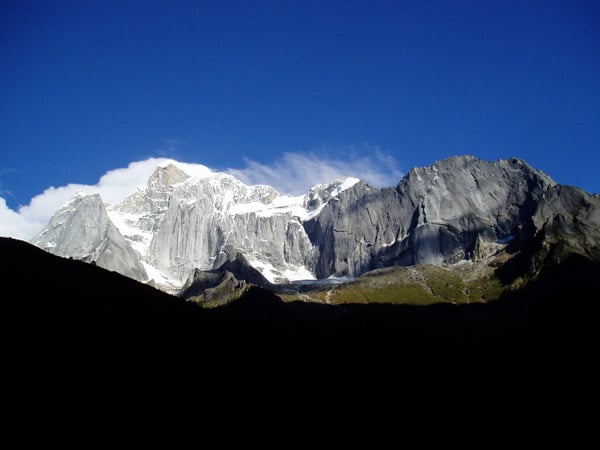
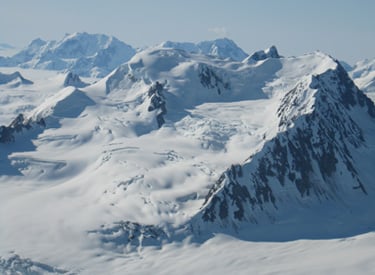
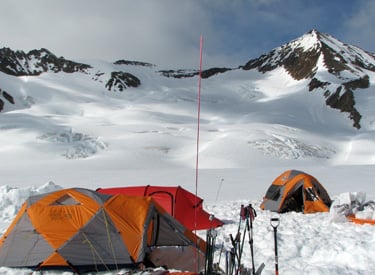
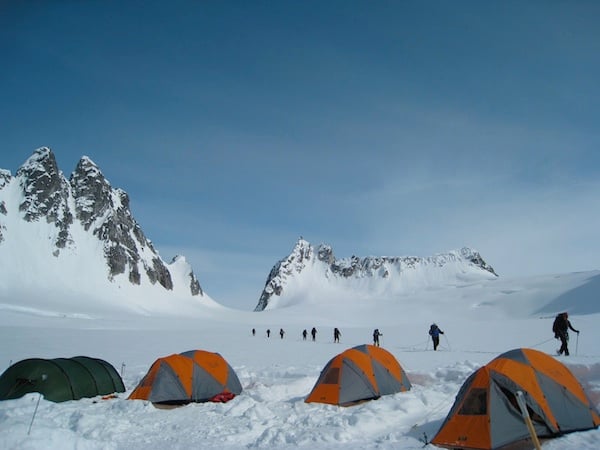
The program takes on its true expeditionary quality after we drive to the end of the paved road and meet our pilot to fly into the heart of the range. We may fly directly onto the ice or make an intermediate stop for the night, but in either case enjoy expansive views of the St. Elias Range while passing over scores of beautiful alpine peaks on our way to the 1000-square-mile Bagley Icefield. The plan is to land on the Bagley or one of the hundreds of glaciers in the area at a location from which we can make a series of climbs. From our base camp we make climb the surrounding beautiful, glaciated peaks that rise above the ice plateau. Depending on which peaks we climb, the routes may also involve establishing a high camp to put us in better position for a summit bid.

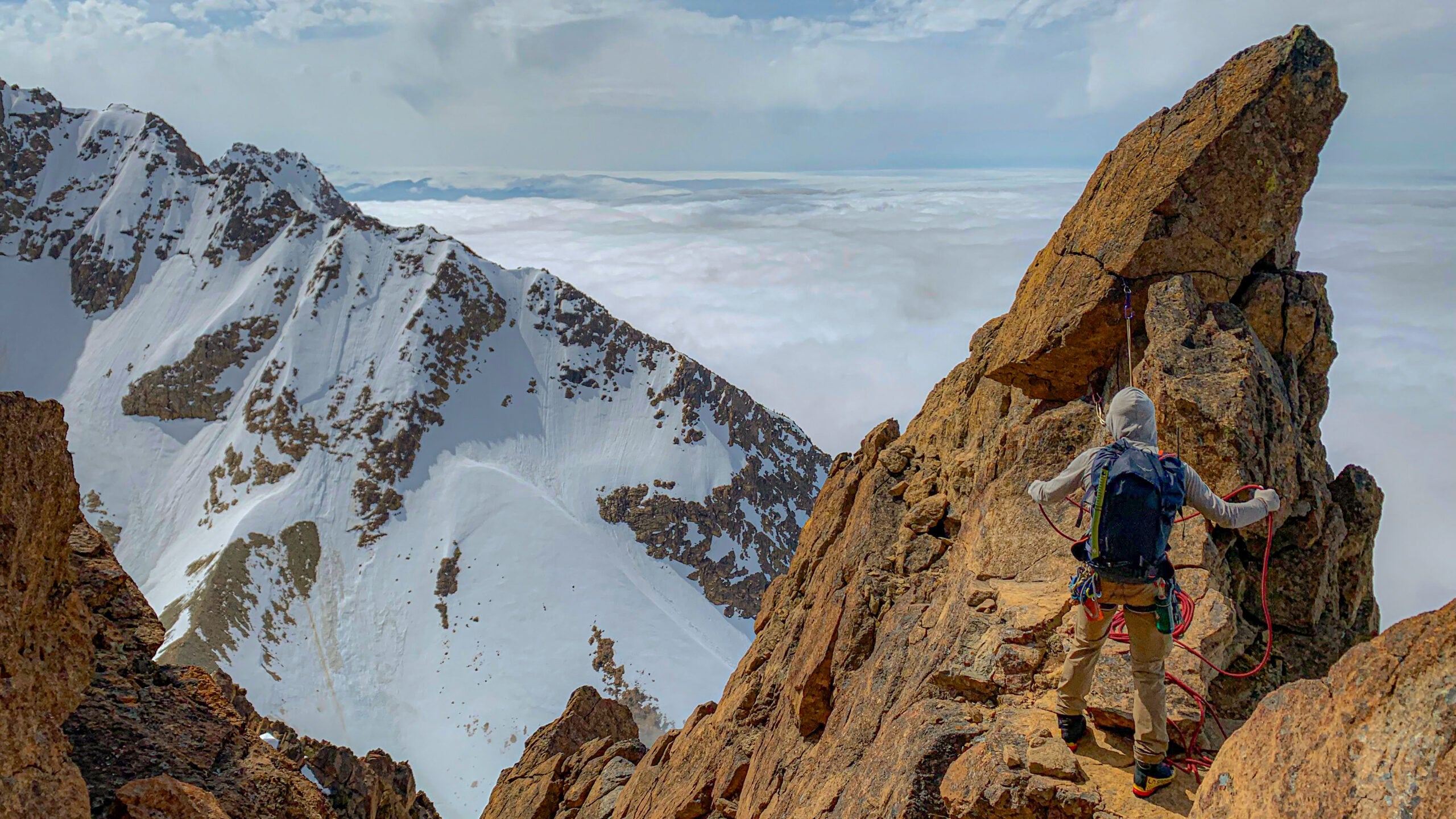
The curriculum is similar to that of the Alpine Mountaineering and Technical Leadership Part 1 Course. However, in place of the rock climbing component that is included in the Cascades, the St. Elias course devotes additional time to developing skills for route finding, evaluating alpine terrain, and leadership on moderate and intermediate glaciated routes. Later in the program, participants continue to advance their climbing and protective systems skills while course instructors introduce specific techniques for rope team leadership.

As a participant in this program you will return home with refined alpine climbing techniques for large scale glacier terrain and for moderately steep alpine ascents. You will also have significant expeditionary experience that provides an excellent foundation for further climbs such as Denali and Aconcagua as well as ability in terrain analysis, hazard evaluation, and route finding will combine with technical skills to help you experience the beauty, excitement, and personal reward of climbing in Alaska and around the world.

Information Testimonials

“The guides were excellent throughout the course. I felt challenged and safe on the mountain, relaxed and entertained at camp.” (Christophe Coudray, United Kingdom); “Both guides were very keen to see us learn and gain independence. They were always available for questions and to give a lesson on a different aspect of climbing.” (Eric Gish, Delray Beach, FL)