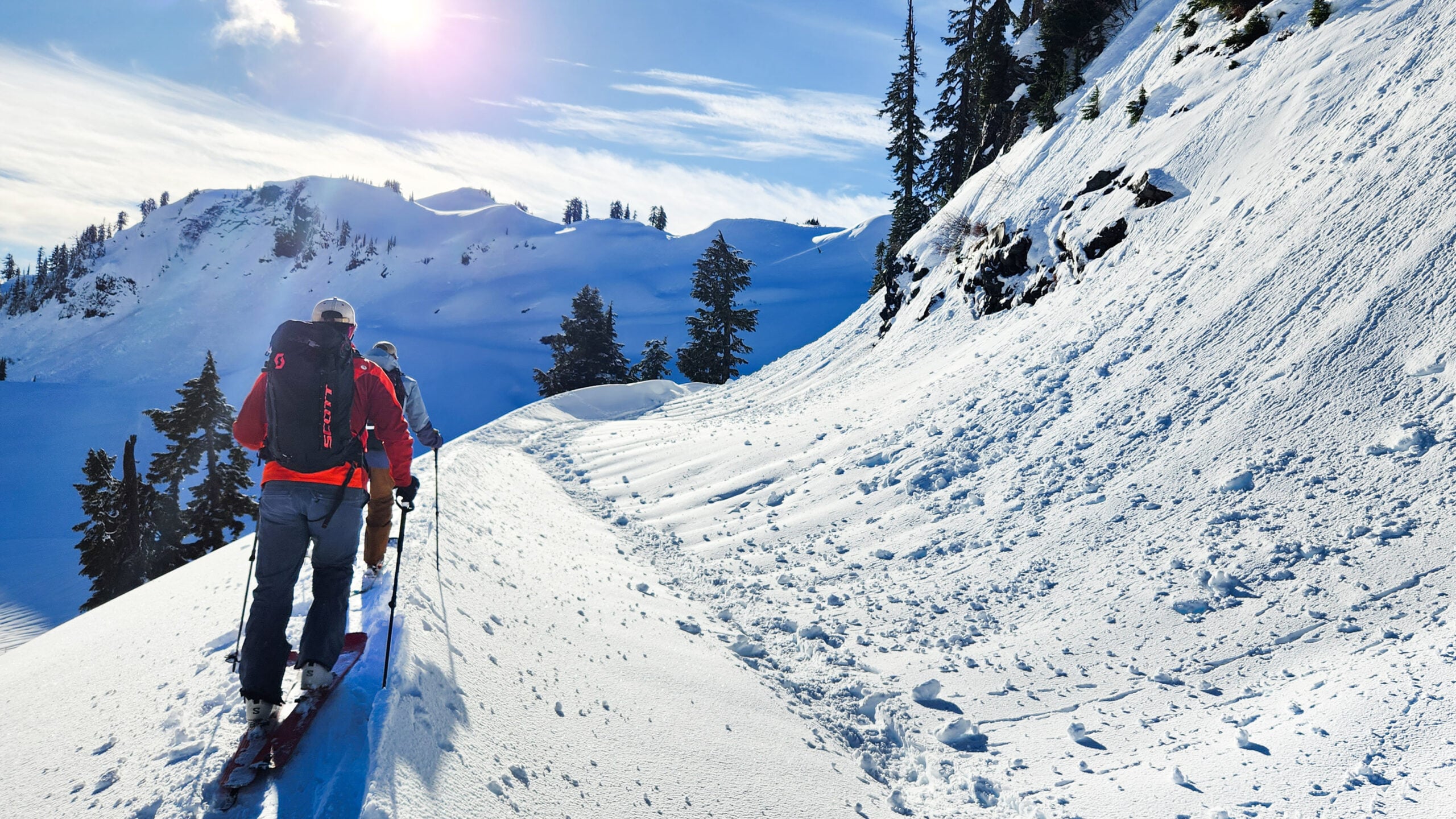









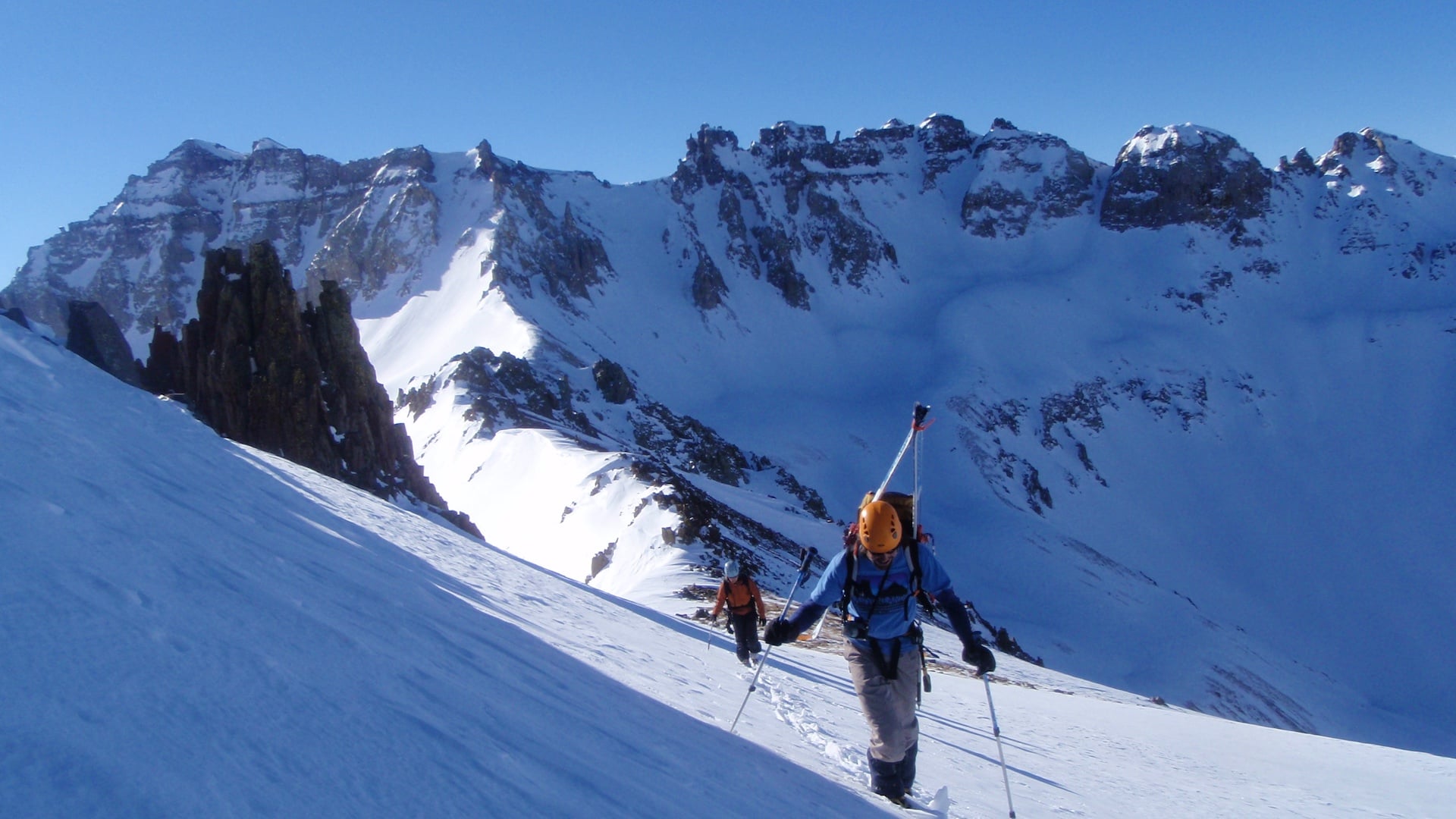



Ready to step out of bounds and into the backcountry? Knowing how to judge avalanche conditions, where it’s more dangerous to travel versus where it is less dangerous, and being able to carry out a successful rescue if caught in an avalanche, are essential skills that everyone should be aware of and familiar with before heading into the backcountry.
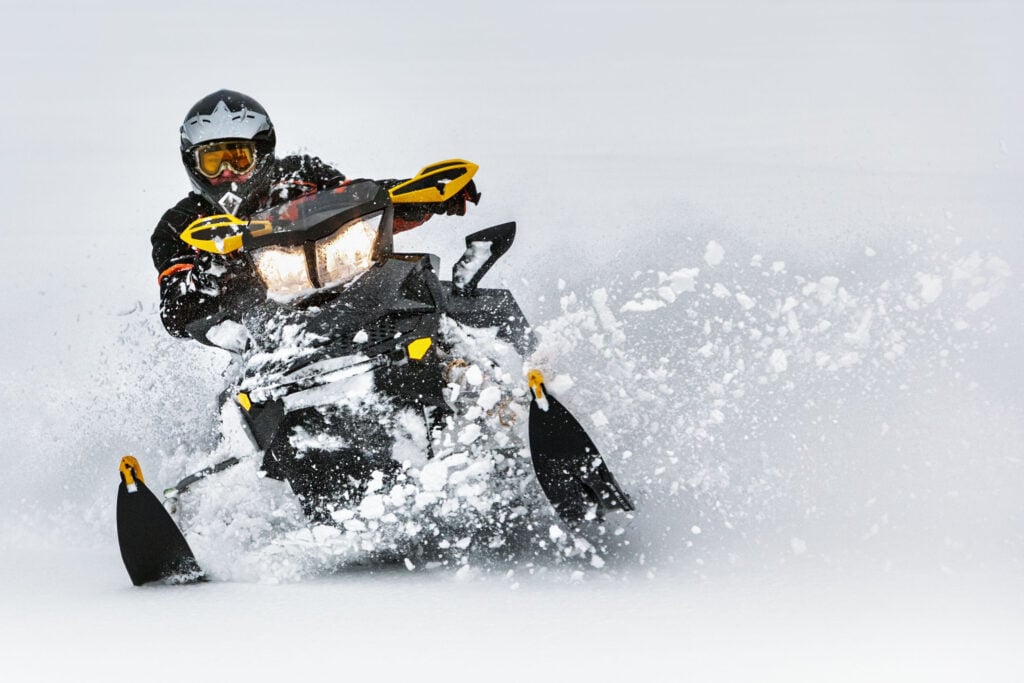
On average 37 people are killed each year by avalanches in the United States alone. According to AIARE, in the last five years, 25% of the avalanche fatalities have been individuals on snowmobiles or snowbikes. Almost all of these avalanches are started by the people caught in them. Some basic level of training and knowledge can dramatically increase your margin of safety while traveling in the backcountry.
Avalanche Level 1 from John Grace on Vimeo.
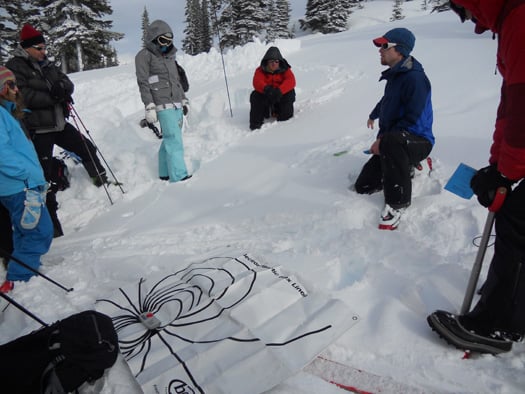
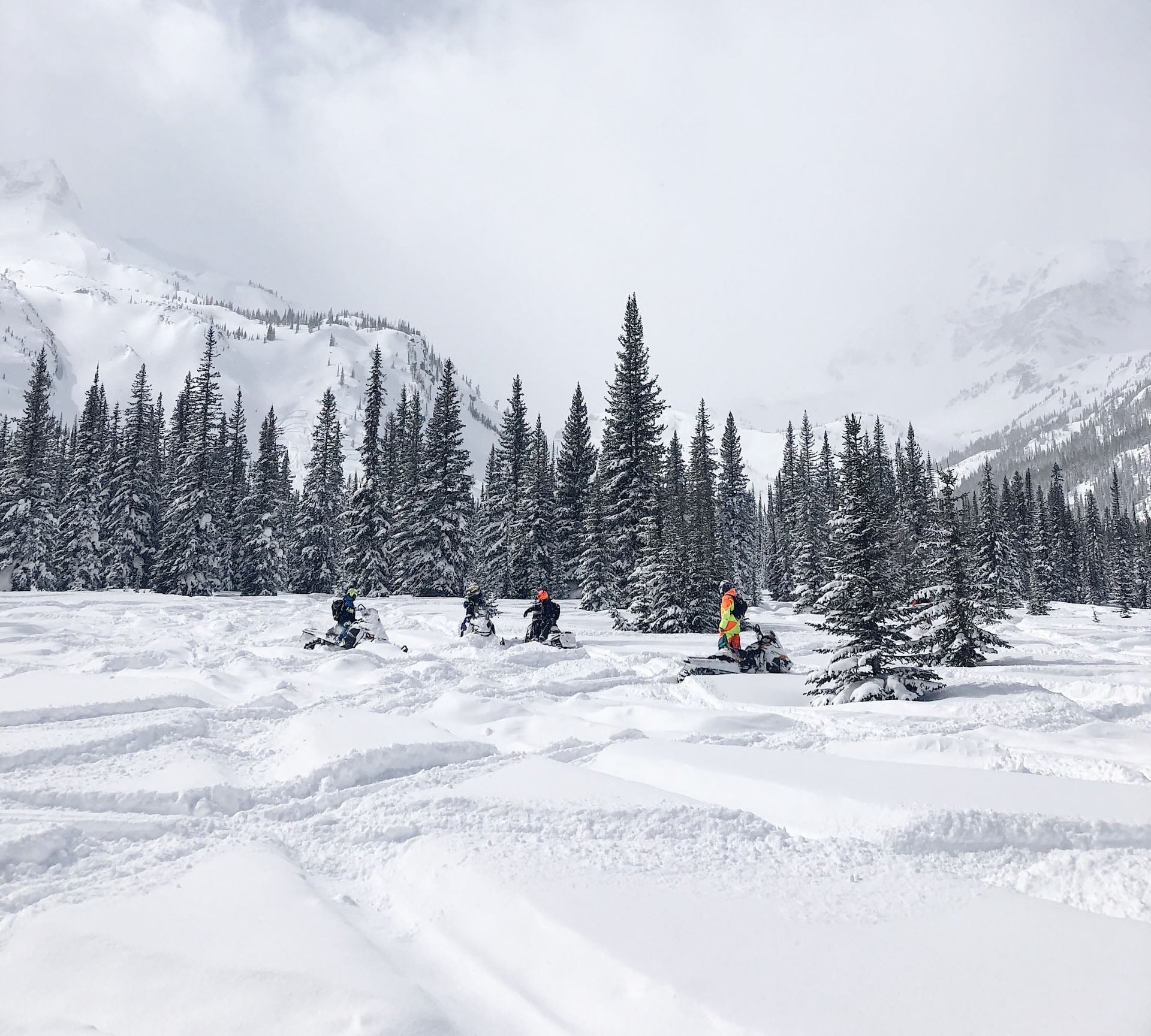
Similar to the course for skiers, boarders and mountaineers, but this course is for the motorized community and taught by experienced sledders. We will teach students what to look for in the snow pack, how to test stability, how to read terrain and avoid danger zones, and how to rescue themselves and partners if caught in an avalanche.
If you are unable to make any of the scheduled course dates, or are interested in any variation of the AIARE Avalanche program, please contact us.
The goals of this course are to:
- Provide a basic understanding of avalanches.
- Describe a framework for decision making and risk management in avalanche terrain.
- Focus less on providing “answers” and more on identifying the right questions.
- Provide lessons and exercises that are practically oriented, useful, and applicable in the field.
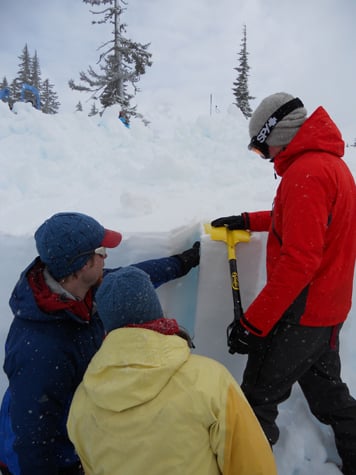
The objectives of this course are to teach:
- Types of avalanches
- Characteristics of avalanches
- An introduction to how avalanches form and release
- Avalanche terrain
- Trip planning and preparation
- Travel techniques
- Decision making
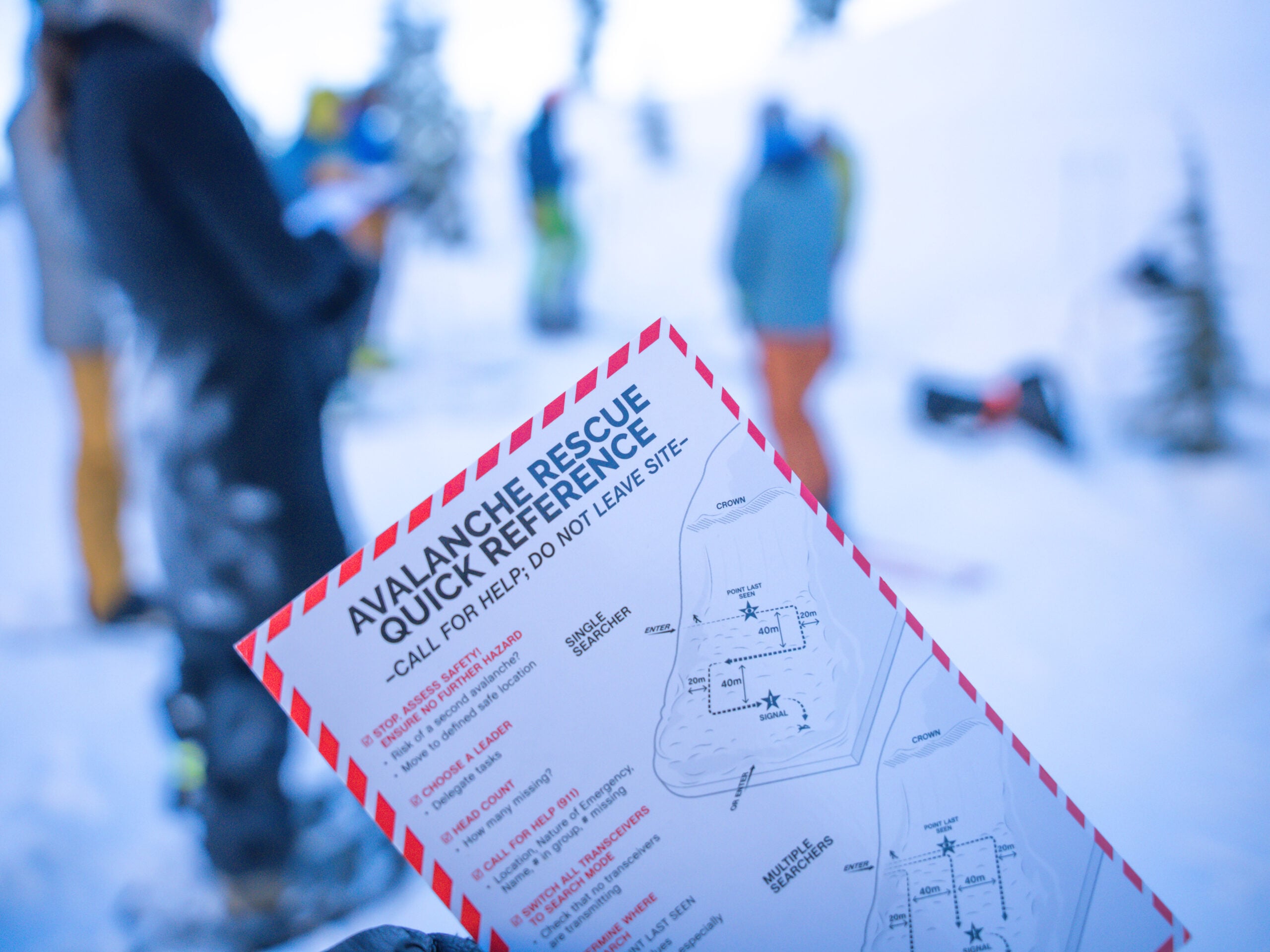
- Avalanche rescue
This course does not cover snow science or avalanche technology in any detail. While it touches on and introduces advanced subjects such as snowpack development and metamorphism, these are discussed at a basic, non-technical level.
Course Summary
When you leave this course you can expect to have a good grounding in how to prepare for and carry out a trip, basic decision making while in the field, and rescue techniques required to find and dig up a buried person if an avalanche occurs. Most of these techniques require extensive practice before you can expect to be proficient and no course, this one included, can provide all that experience.
To establish and maintain proficiency in the knowledge and techniques covered in this course, one will have to practice extensively and regularly on their own after leaving the program.
Testimonials
“Tom was great, it was clear he was extremely proficient and passionate about what he teaches. Additionally, he was engaging and was able to explain curriculum in different ways making sure everyone understood it.”
Spencer H. (Cle Elum, WA)
“I already recommended Tom to my friends. Tom is wonderful! He is excruciatingly knowledgable on snowpack/terrain and is stylistically more instructional. In regards to human factors, it’s very hard for me to not completely trust him. He is very good at what he does.”
Jessica Y. (Seattle, WA)
“The flow and delivery of the field portion were impeccable. We were incredibly efficient covering all the required parts of the course. At the same time it was incredibly thorough. “
Mark H. (North Bend, WA)
“I came into this course with a fair amount of knowledge expecting it to reiterate a lot of what I knew. Instead Tom helped point out flaws in some of the ways in my thinking and decision making in the backcountry. That’s what I needed to hear and it’s been really helpful. I value his directness and his clear experience. I felt comfortable asking questions and really valued his opinion.”
Carl P. (Spokane, WA)
 Curriculum