

Information Details

Capacity – Sierra max 4 climbers; RMNP max 3 climbers (due to permitting restrictions). Please call to arrange a private course for larger groups.

Minimum Enrollment – 2

Confirming this course at the regular cost and length requires at least 2 registrants.  With one participant, we can run the course at a 1:1 ratio as a 4-day itinerary without changing the pricing.

Part 1- Good physical condition, overnight self-supported backpacking experience.

Part 2 – Previously taken Alpine Rock 1 or be able to follow 5.8 (indoors or outdoors), set up a top rope, have alpine climbing and multi-pitch rock climbing experience.

Inclusions:

  • Guide fees
  • All group technical climbing equipment
  • Permit and access fees
  • Camping fees (both frontcountry and backcountry)

Exclusions:

  • Personal equipment such as clothing, boots, personal climbing gear (e.g. harness, helmet), sleeping bag, tent, etc. Personal climbing and camping gear is available for rent.
  • Transportation to the programs meeting location and during the program. We ask that you provide transportation for your guide from the point of rendezvous, and if there are other climbers in your program we encourage you to carpool.
  • Lodging costs (if any)
  • Meals
  • Fees for changing air itineraries because of canceled or delayed programs
  • Gratuities for guides
  • Personal health, baggage and trip cancellation insurance

Information Introduction

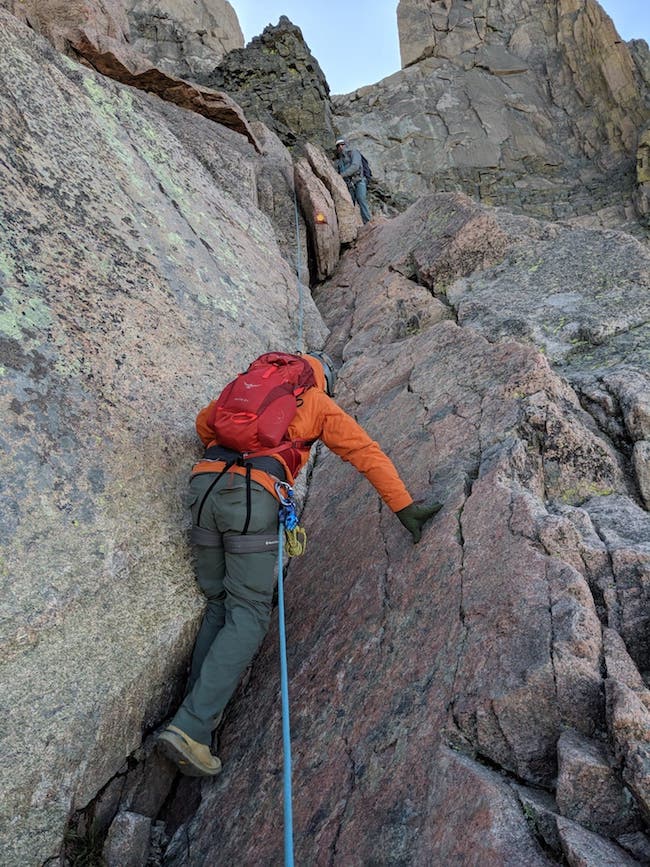
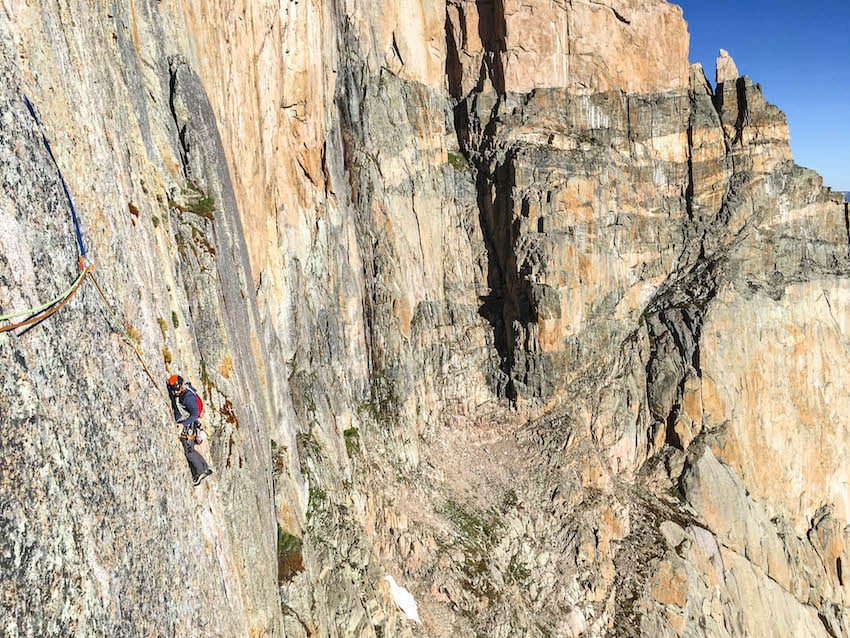
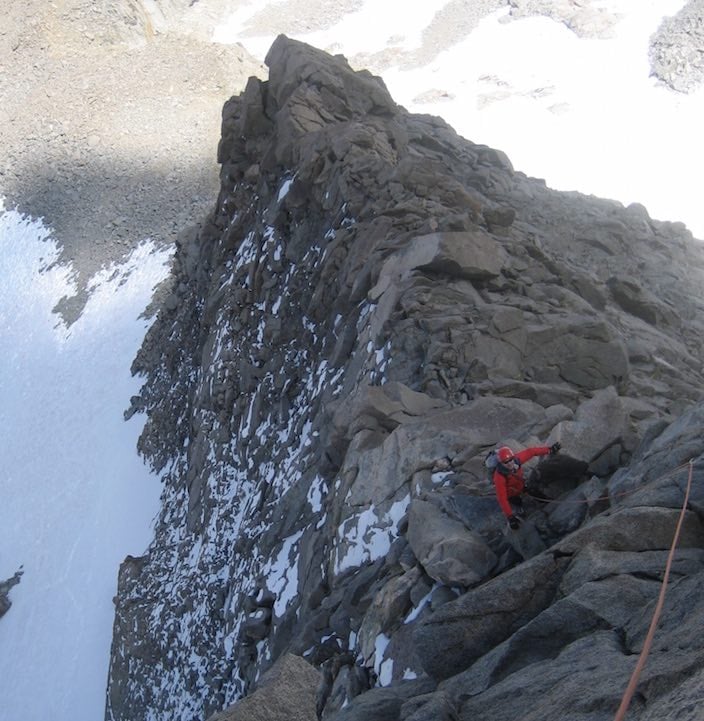
The objective of the Introduction to Alpine Rock Climbing course is twofold. First, an individual who completes this course should be able to set-up and manage a toprope on a single pitch crag. And second, the individual should be able to operate as a competent team member, able to follow a leader on a multi-pitch alpine rock climb.

The Alpine Conditions during this program will determine the exact daily routine. Some of the material may be presented on different days in order to take advantage of good alpine weather.

Day 1:

  • Complete an equipment check and ensure that all students have appropriate gear for the program.
  • Selection, care and use of climbing gear
  • Review basic knots and hitches
  • Practice basic belay technique and belay commands
  • Practice climbing movement skill with a focus on alpine climbing
  • Introduction to rappelling (single and multi-pitch)

Day 2:

  • Review previous day’s lessons
  • Introduction of climbing protection (active and passive)
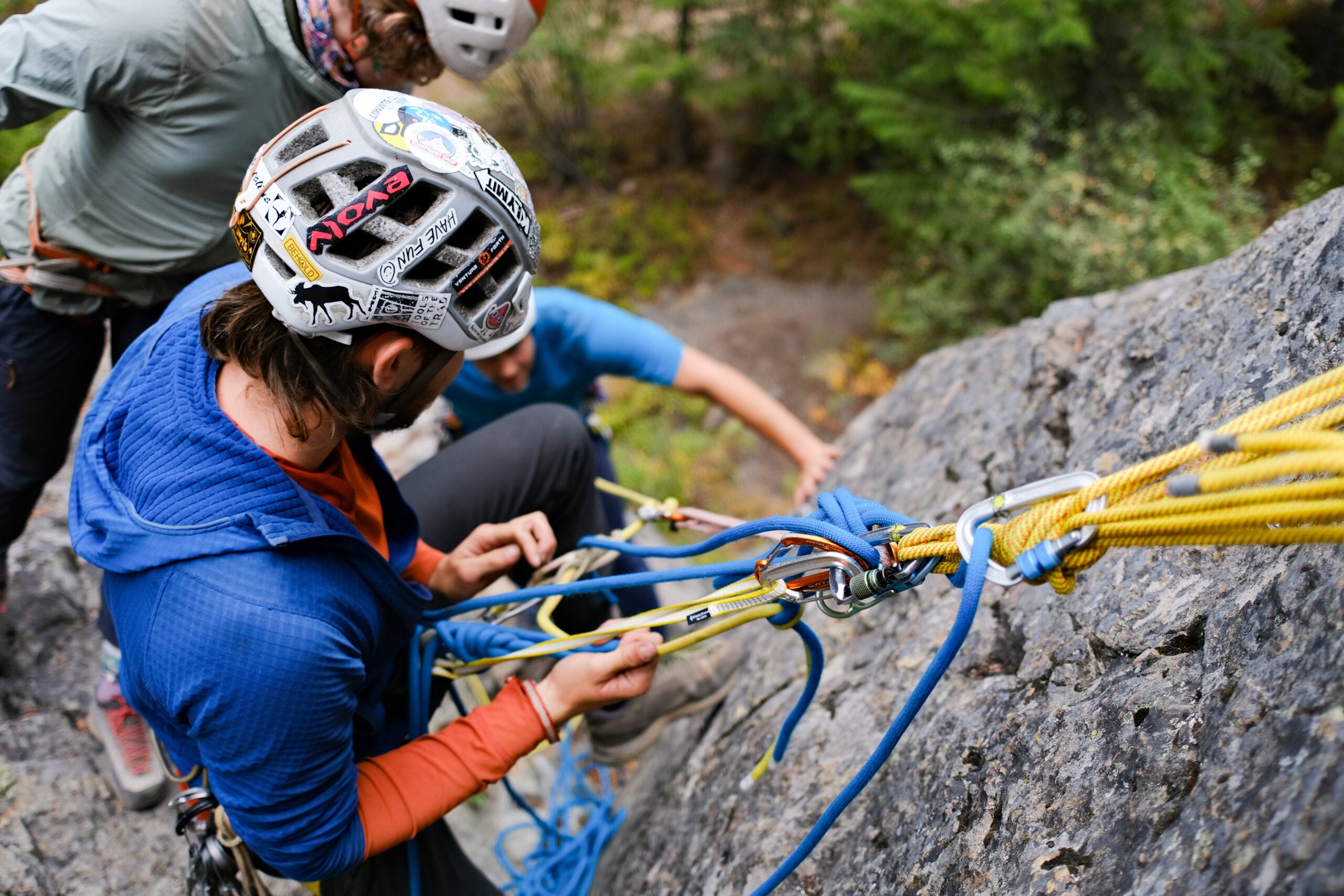
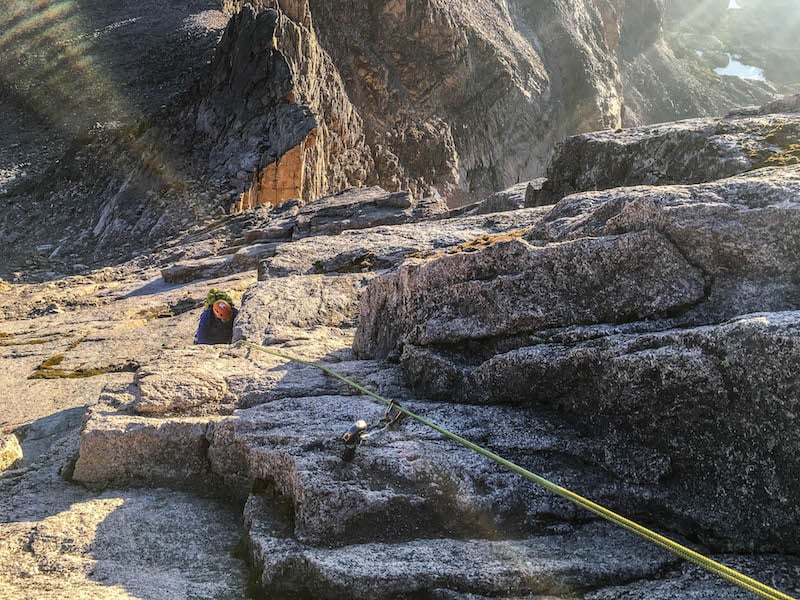
  • Introduction to basic anchor set-ups for toproping
  • Practice lead belay techniques
  • Practical work with anchors and single pitch management
  • Introduction to following a leader in a multi-pitch setting

Day 3:

  • Selection, care and use of snow climbing equipment
  • Walking on snow: in-balance and out-of-balance movement
  • Practical application of self-arrest techniques from all positions
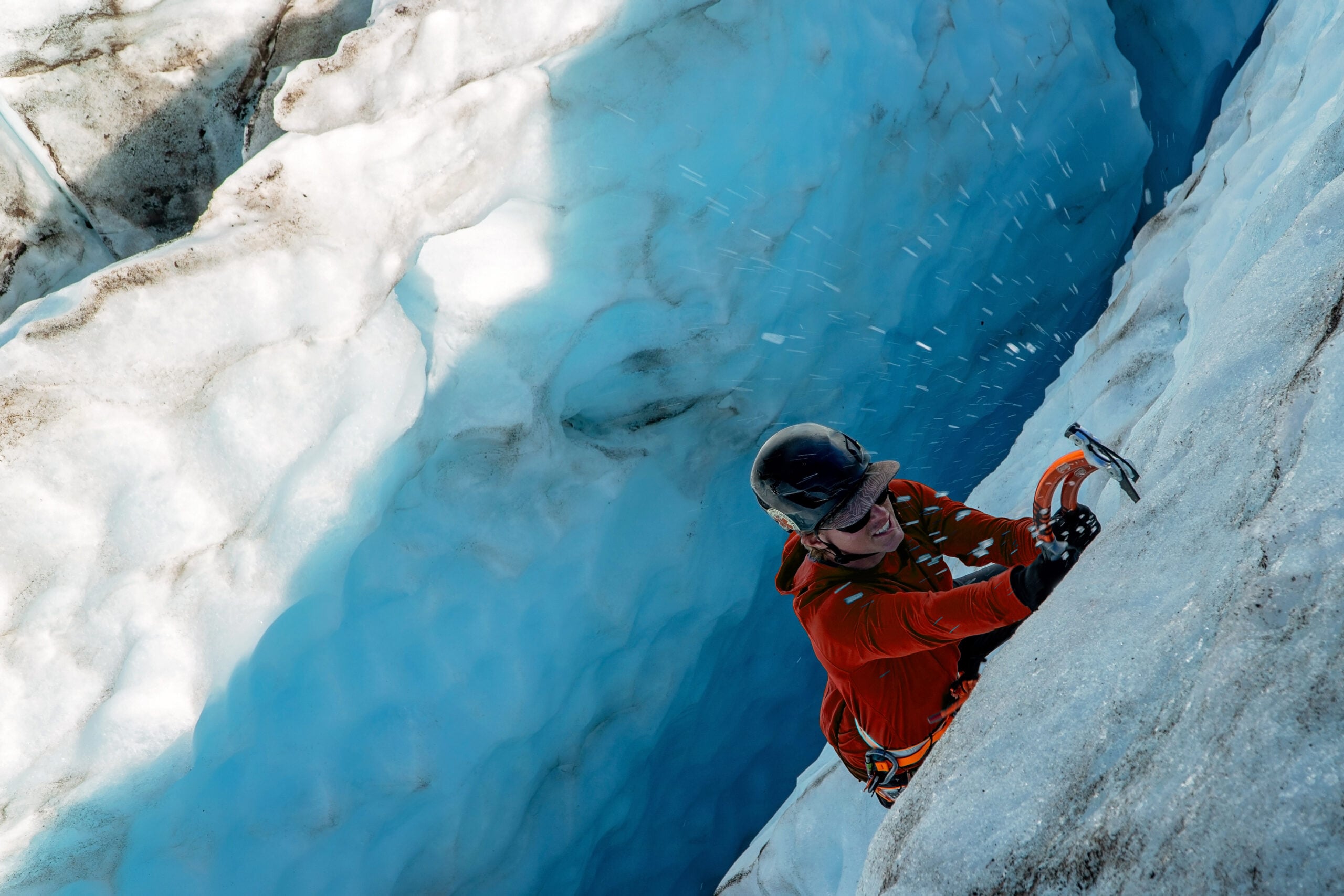
  • Use of crampons on moderate to high-angle snow and ice
  • Nine principal positions of the ice axe
  • Three types of glissade
  • Snow anchors (pickets, flukes, deadmen, bollards)
  • Snow belay systems (static and dynamic, stomper belays, butt-axe belay)
  • Note: There may be times in late season when it is difficult to find appropriate snow to complete this series of lessons. If this happens, there are three options. (1) The lesson may be truncated and taught after an approach. (2) An additional climbing objective may be selected. (3) The team may elect to work on climbing self-rescue skills.

Days 4-6:

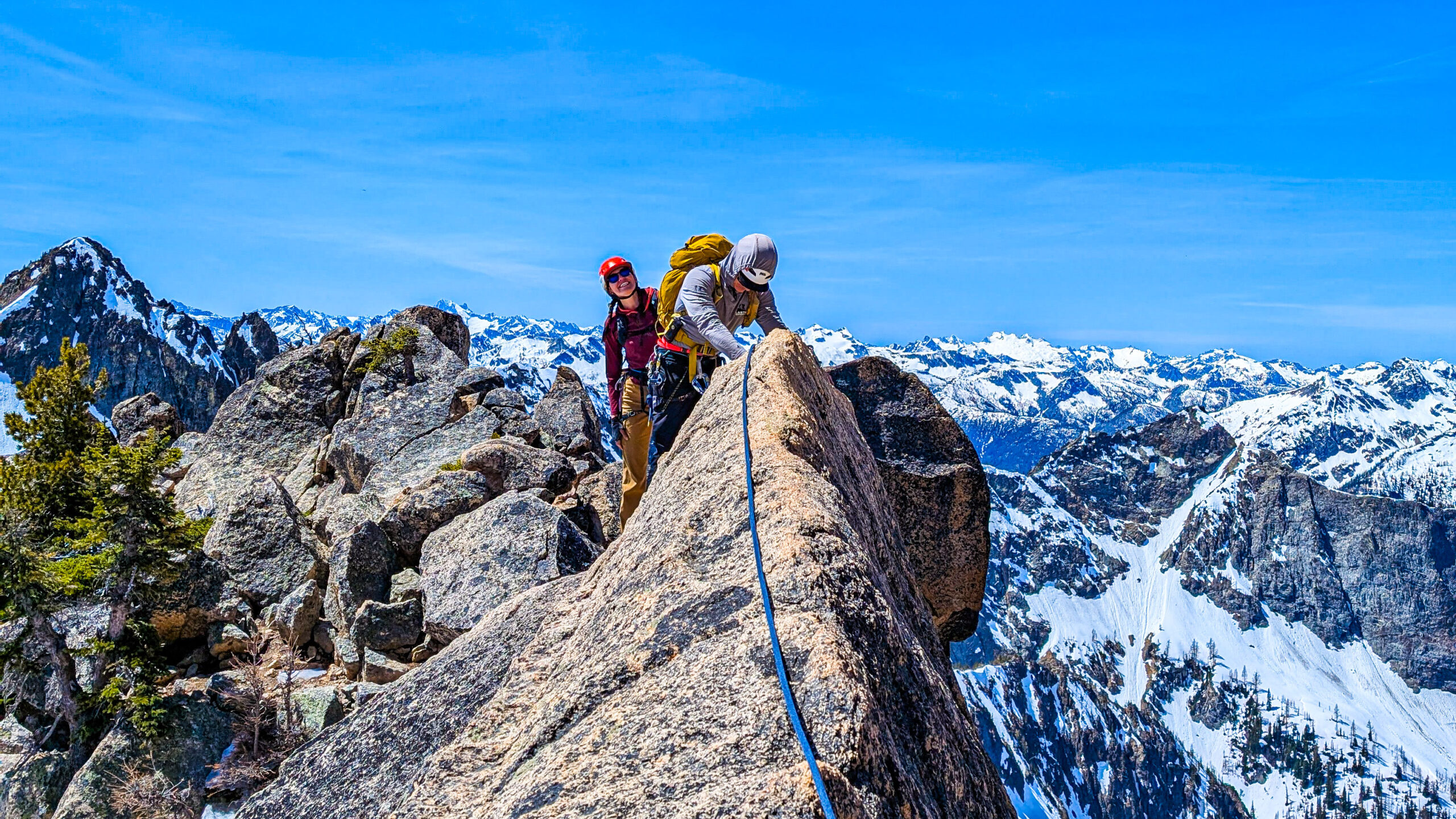
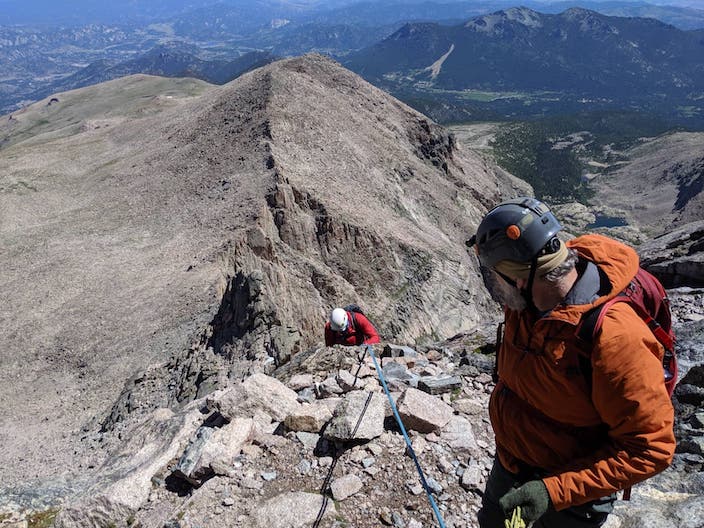
  • Days 4 through 6 are reserved for technical objectives. Objectives will be selected based on their relevance to members of the team. Each objective will require team members to practice all of the skills they learned in the preceding days in a high multi-pitch setting.
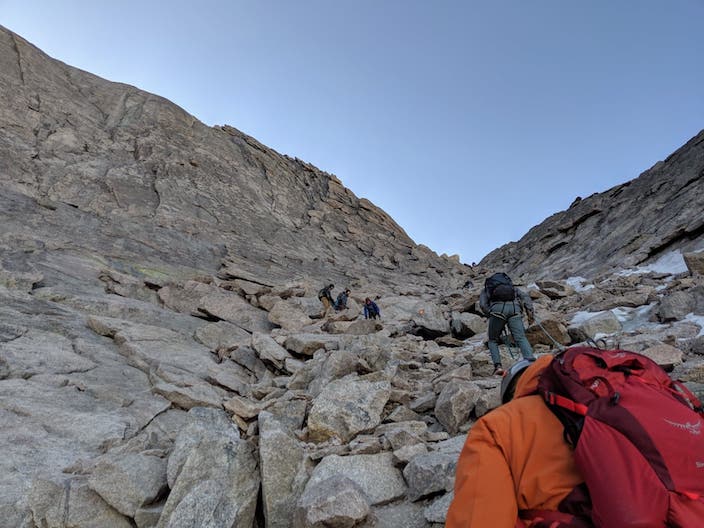
  • It should be noted that objectives may be in the backcountry and may require one or more nights out in the field. If this happens and there is additional time in the afternoons after making approaches, additional lessons may be provided. These may include the following:
    • Leave No Trace Techniques
    • Mountain Weather
    • Self-Rescue Techniques
    • Regional Geology and Ecology
    • High Altitude Illness and Treatments

Information Intermediate

The objective of the Intermediate Alpine Rock Climbing course is for students to develop the skills to lead basic alpine rock climbs by applying modern equipment and strategies.

It should be noted that not every student is ready to be on “the-sharp-end” after completing the Introduction to Alpine Rock Climbing course or something similar. Every course includes some students that are ready for this serious responsibility, and some students who are only ready to rehearse traditional rock leadership in an alpine setting. Regardless of whether a student is ready mentally or physically to lead, every student will walk away with the technical skills required of a multi-pitch leader.

The alpine conditions during this program will determine the exact daily routine. Some of the material may be presented on different days in order to take advantage of good alpine weather.

Day 1 (Day 7 if combining Introduction and Intermediate)

  • Complete an equipment check and ensure that all students have appropriate gear for the program. If students are combining the Introductory and Intermediate programs, they may be able to skip this section while new students are checked.
  • Selection, use and care of traditional climbing gear
  • Discuss traditional racking techniques
  • Practical applications of both passive and active protection in a leadership setting
  • Introduction to traditional anchors for leaders
  • Practical applications of different lead belays
  • Introduction to the autoblocking device
  • Introduction to simple rescue techniques

Day 2 (Day 8)

  • Introduction to multi-directional anchors
  • Practical application of anchor and rope management
  • Introduction to single and multi-pitch leading procedures
    Drill – Students will practice multi-pitch climbing by employing “mini-pitches” on a fourth or low fifth-class single pitch crag.

Day 3 (Day 9)

  • Cleaning anchors and rappelling
  • Techniques for rappelling multi-pitch lines
  • Discussion of lead climbing strategies, both physical and mental
  • Guided example of a short multi-pitch line
  • Mock single and multi-pitch leading practice

Day 4 (Day 10)

  • Discussion of falling, fall factors and how they apply to the leader
  • Continued mock leading practice
  • Optional falling practice on gear and/or bolted anchors
  • Optional student-lead climbs in a single pitch setting
  • Optional approach to a backcountry multi-pitch line

Days 5-6 (Days 11-12)

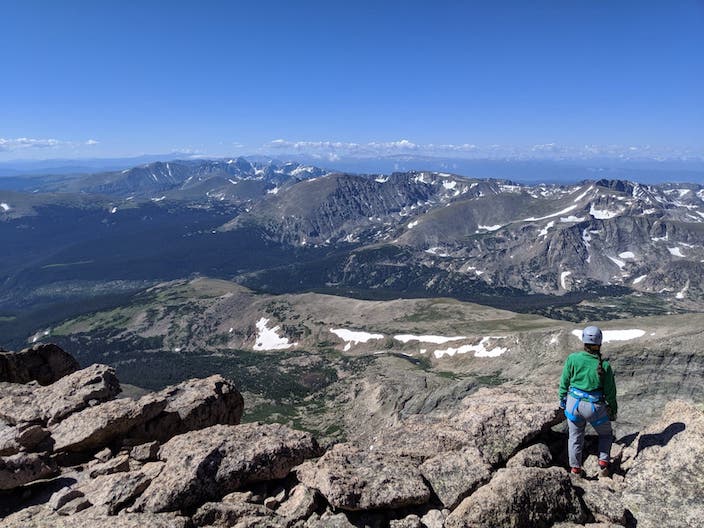
  • The final two days of the program are reserved for student lead alpine rock climbs. These climbs will be selected based on student strengths and desires. The program’s instructors will mentor students as they make these final leads on a high alpine objective.