




































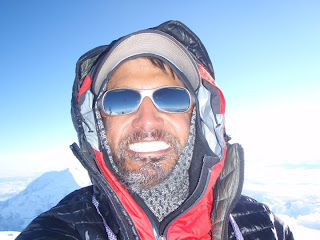
Anyone who has spent any time on a glacier when the sun is out, will tell you how fast their skin started to tan or burn. The reflective nature of snow and ice greatly magnifies the suns power, and proper measures need to be taken to protect our skin and eyes from UV rays. Putting on sunscreen and wearing sun glasses seems like basic common sense when the sun is out, however it is not as obvious when the clouds are overhead. The fact is though, that even when the clouds are out, those damaging UV rays are still making their way through, and your chances of becoming snow blind or burning your skin is still high. On long expeditions, the chance of you encountering bad weather and having to deal with variable conditions is almost a guarantee, and as such you should come prepared.

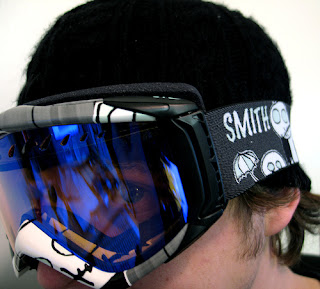
This feature however, can price some people out of these glasses, and personally, I choose another option anyway. On long expeditions, I will bring 3 different sets of eye wear, for a variety of reason. The first, is a pair of sunglasses that have Spectron 4 lenses, for those days that are bluebird and the sun is out shining. The second pair, will have Spectron 3 lenses in it, and an anti-fog coating. I tend to find that when I’m in a white out, there is a lot more heat and moisture and my glasses will fog up. That is why it is most important to have an anti-fog coating on this pair.

–Andrew Yasso, Instructor and Guide