





















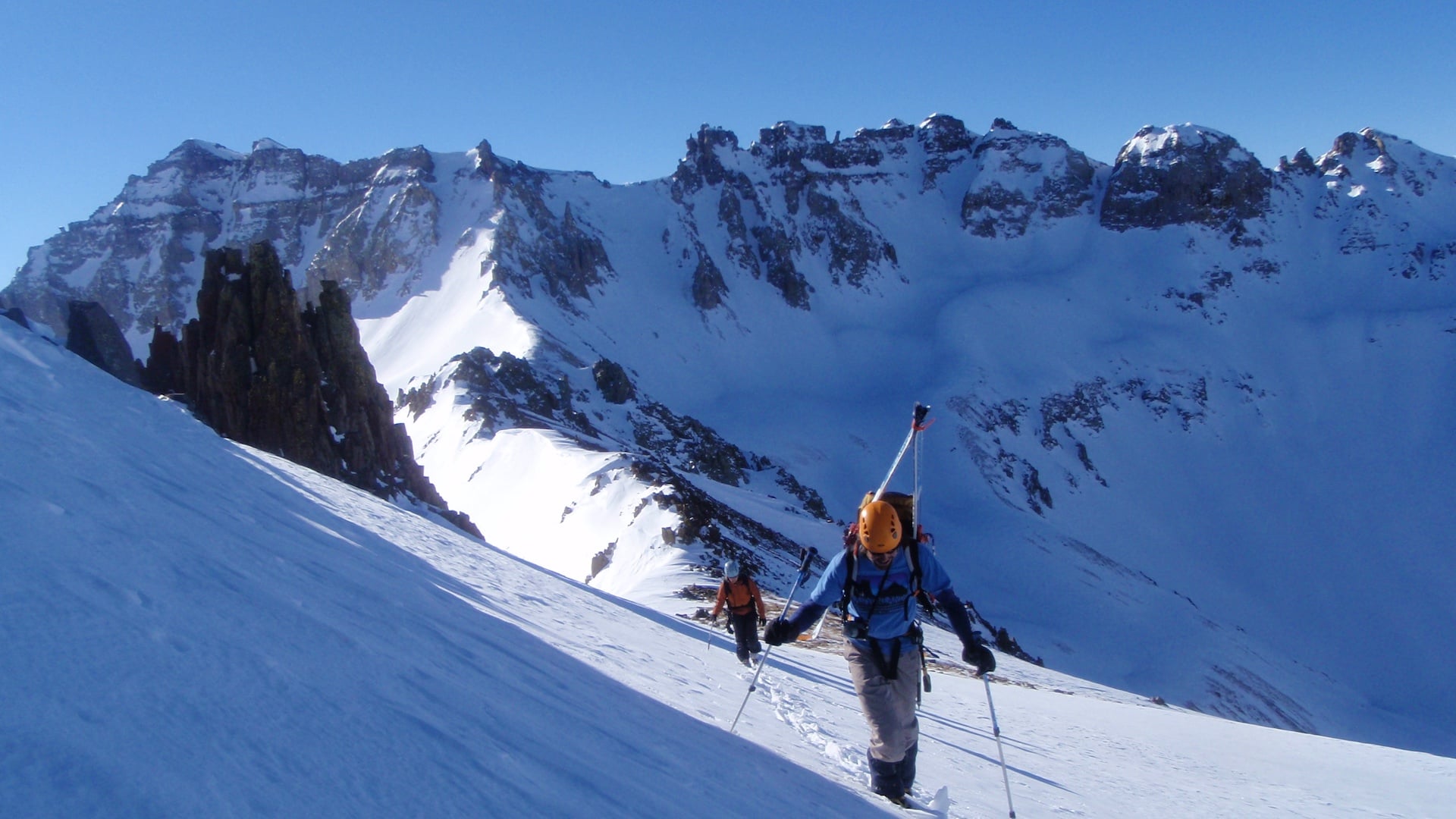
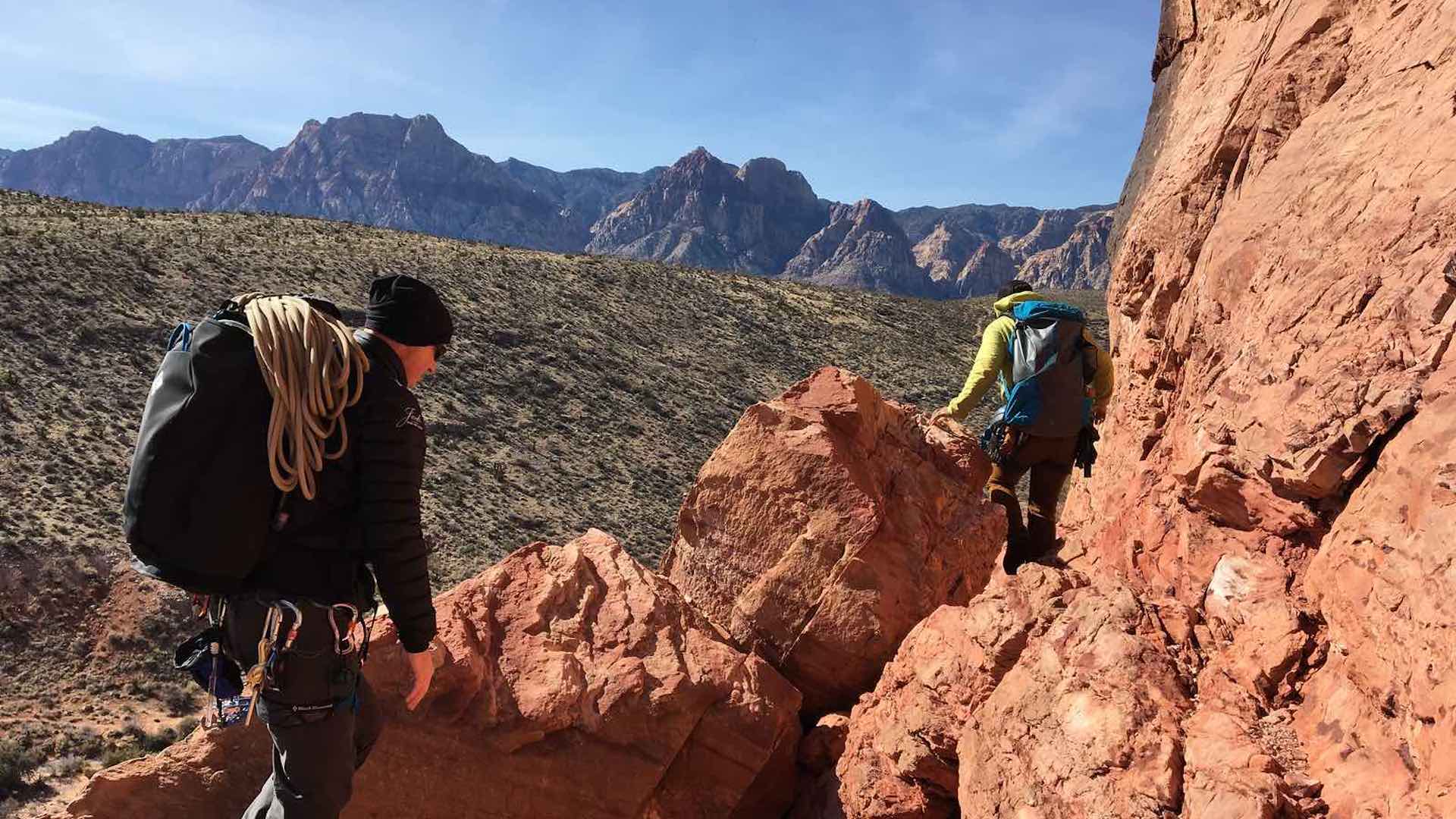


By definition, as an alpinist, I encounter extremely varied terrain and
conditions during my mountain adventures. Having a variety of gear
allows me to match my equipment to the climb I’m attempting, so I can
achieve maximum efficiency and effectiveness. Sometimes this means
buying two of something that seemingly perform the same task, however
may have slightly different specifications or purposes.
I’m sure many of you acquire multiple sleeping bags, harnesses, and
other equipment, with the idea that “a friend could borrow it” if need
be. Lately, I have been trying to denounce this idea, and only have
multiples of the same item if they truly serve a specific function that I
find valuable. This led me to think of the perfect quiver of ice axes,
that would serve nearly every climb I would embark on.
 Grivel Air Tech
Racing Ice Axe
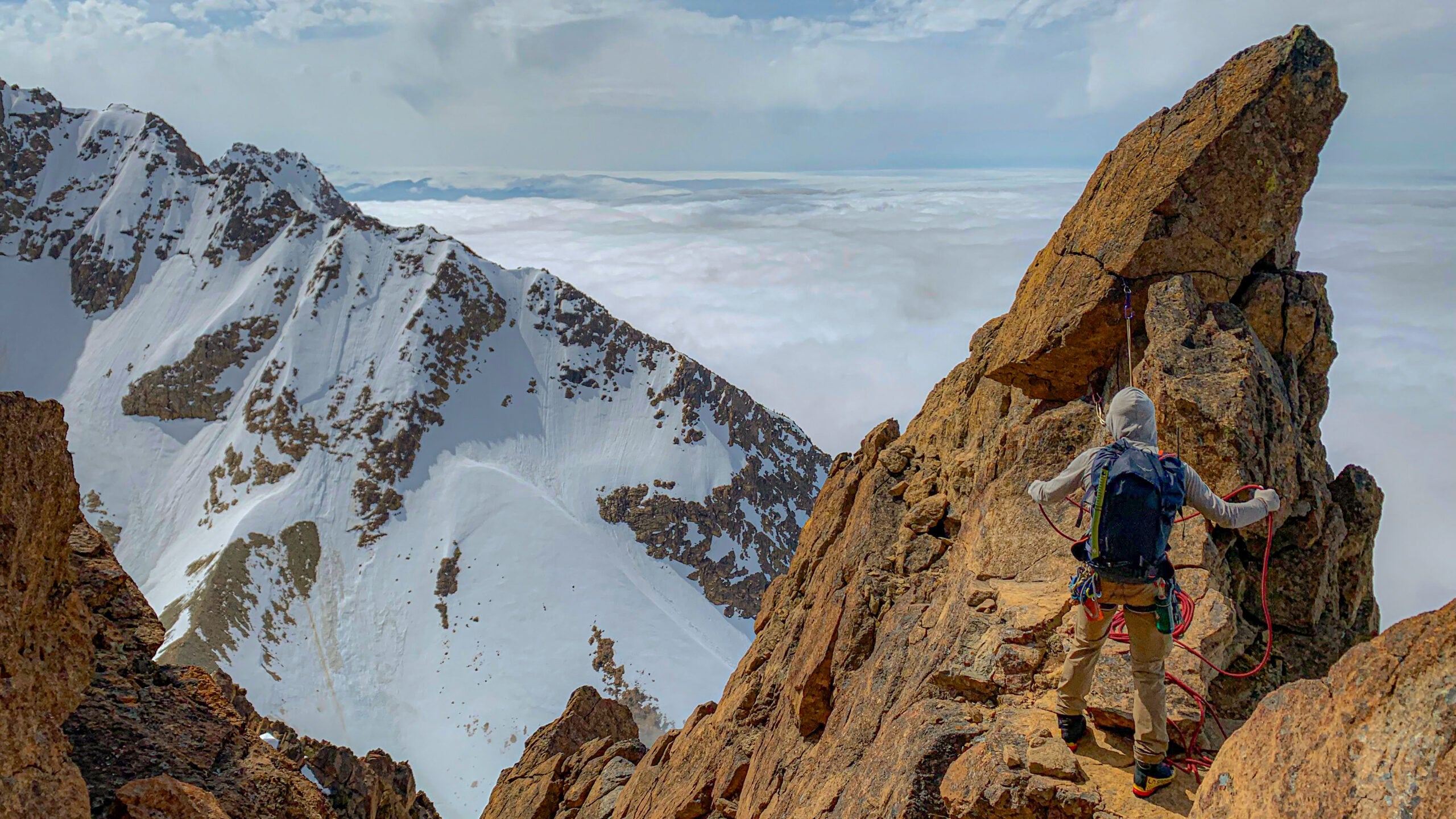
GENERAL MOUNTAINEERING AXE: This ice axe serves as your “everyday
axe”, and should be sized for comfort. I’m 5′ 10″ and I prefer this
axe to be around 55-60cm, which allows me to chop steps comfortably if
need be. It can or cannot have a slight bend in the head, but should
have an adze and a positive clearance pick – suitable for self arrest.
This axe will serve the purpose of self-arrest tool, anchor,
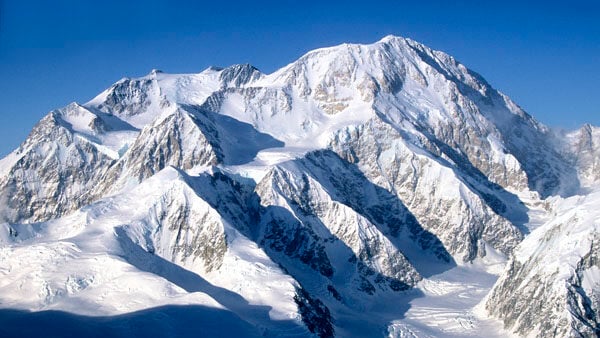
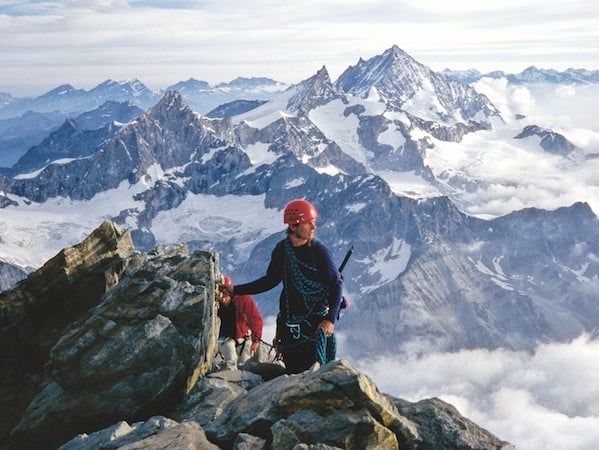
step-chopper, and balance tool, to name a few. It will be ideal for 3-day Baker Climbs or a
21-day Denali West
Buttress Expedition. This is your workhorse axe, a classic piolet.
 Camp Corsa – the
World’s lightest ice axe
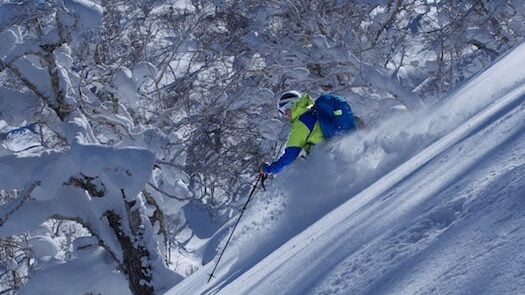
ULTRA-LIGHTWEIGHT AXE: This ice axe serves as your skiing, “just
in case,” and “I’m only going to be on a glacier for 400 feet but still
want something for self-arrest,” ice axe. It should be short, no longer
than 50 cm, and is really for those short glacier jaunts or quick
couloir climbs. If you try and chop steps with it for an extended
period of time, you’ll probably blow out your shoulder or bend the
adze. It probably isn’t that durable, but it doesn’t need to be; the
lighter the better is what you are going for here. A great axe for
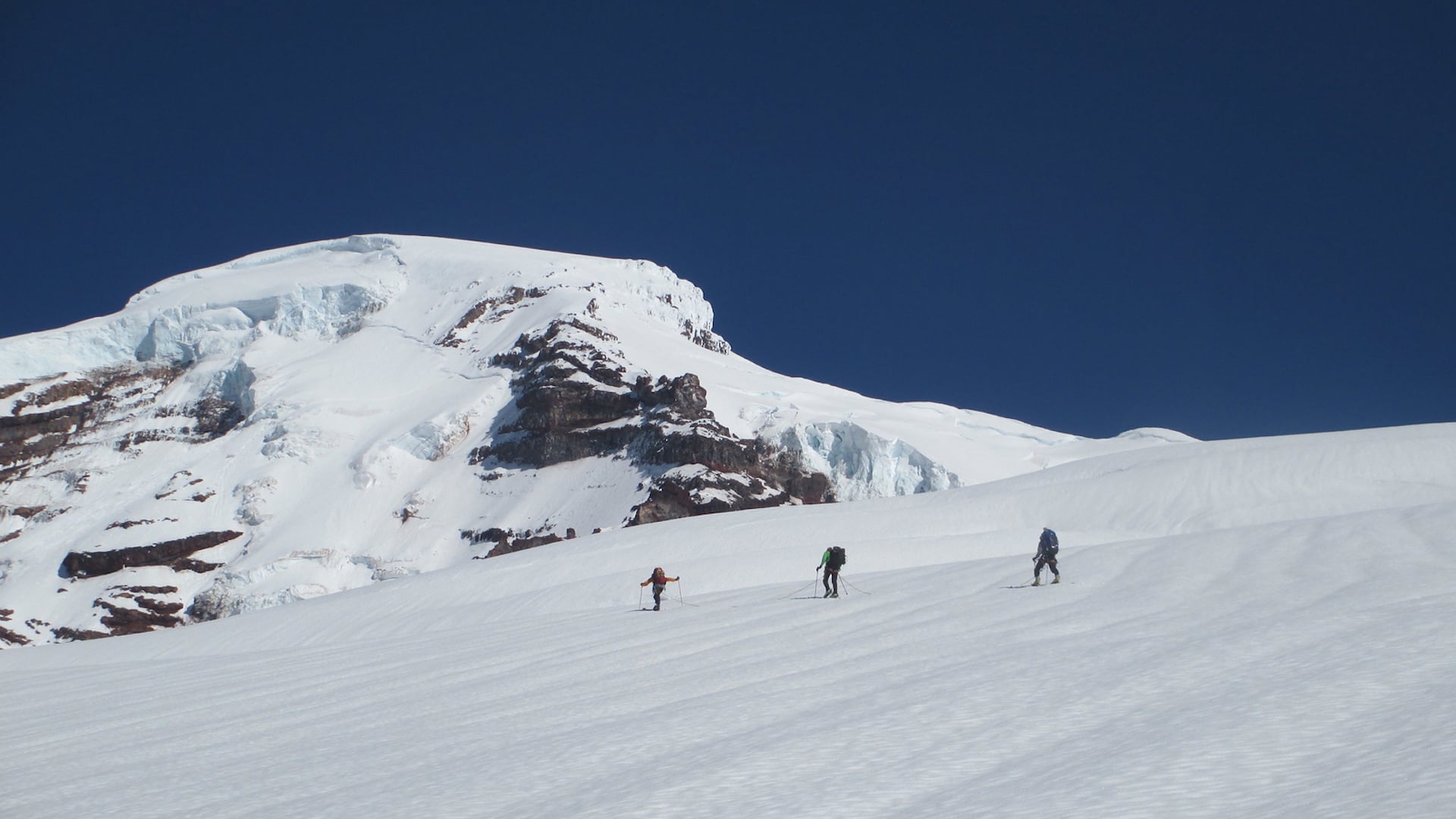
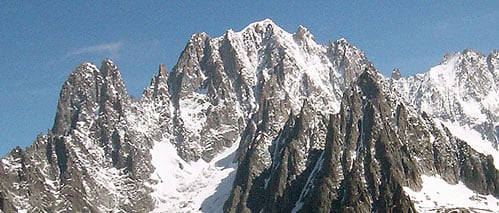
approaching something like the North Ridge of
Mt. Stuart, or while doing some extreme skiing in the
backcountry.
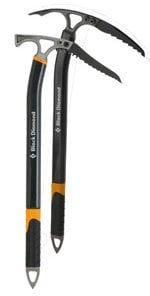 Black Diamond
Venoms: The adze has a positive clearance pick and the hammer has a
recurve pick.
A PAIR OF HYBRID ICE AXES/TOOLS: Are you going to be approaching
on a glacier, and then climbing a 50-70 degree alpine ridge? Will
there be short sections of steep ice, or will you have to climb moderate
rock with your tools? If so, these are an excellent choice which
bridge the gap between true ice tools and glacier axes. Having the
recurve pick is essential when it comes to feeling secure on steep
terrain, however when you strap one tool on your pack and carry the
other, the positive curve pick provides confidence in the self arrest
position. Sometimes if things get really steep, you can match this tool
with an actual ice tool. A pair of these tools will be extremely
efficient and comfortable during a climb of the North Ridge of Mt.
Baker, or Denali’s
West Rib.
 Black Diamond
Cobra Ice Tools – One with an adze, the other with a hammer
A PAIR OF WATER ICE/DIFFICULT ALPINE TOOLS: These tools are made
for steep water ice and challenging mixed alpine lines. If climbing
pure water ice, they should have two hammers; if set up for the alpine,
one adze and one hammer works well. Having the tools made out of carbon
fiber is nice because it does not conduct heat as much, however they
are less responsive than aluminum tools. Keep these picks sharp!
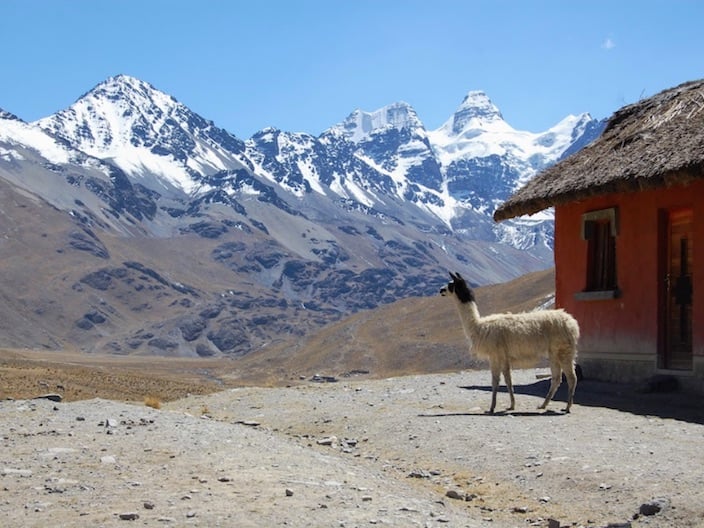
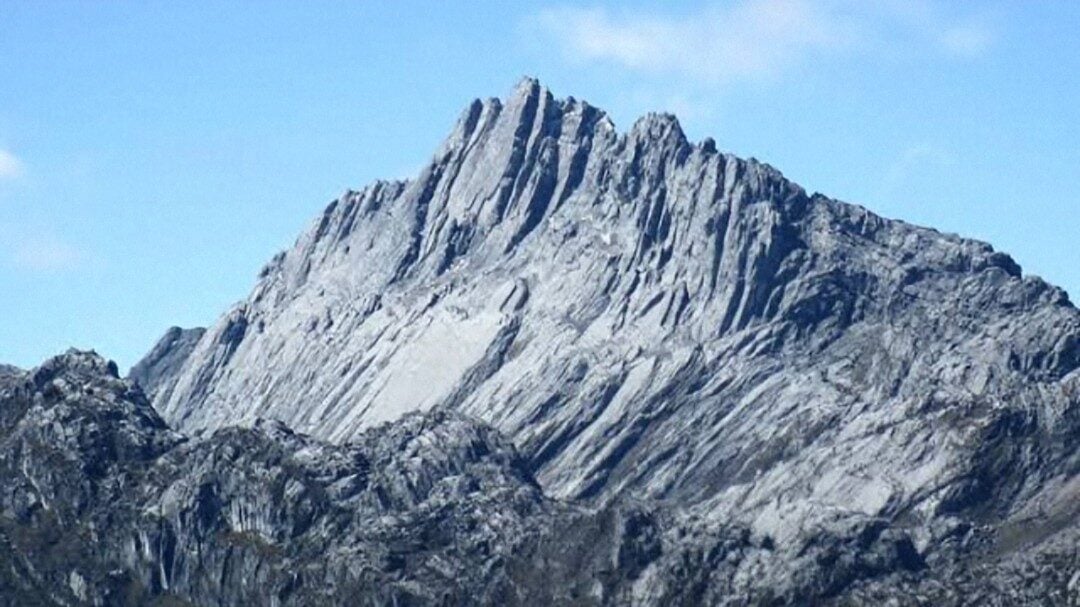
You’ll be using them for the most technical terrain you encounter, like Artesonraju in Peru,
and the Ice Park
in Ouray, CO.
If competition mixed climbing is up your alley then you’ll likely need
another pair of tools, however for your average alpinist this quiver
should serve all their needs. All tallied up, four significantly
different types of climbing can be efficiently covered by 6 ice
axes/tools total. You can obviously mix and match if needed, and
personal preference/ability could easily add or subtract tools from this
list.
I would love to hear what your perfect quiver of ice tools looks like,
and what you actually currently have. Please leave us comments!
–Andrew Yasso
Instructor and Guide