Information Pricing and Details

  • $15,995 per person with a minimum of 3 people.
  • $24,995 per person with a minimum of 2 people.
  • $49,995 for one person.

Max Ratio – 2:1

Capacity – 6

Late September – early October

Please contact the AAI office for expedition dates.

Prerequisites:

​Flights should be arranged to arrive in Chengdu, Sichuan on the first scheduled day of the program. Departing flights from Chengdu can be arranged the day after the last scheduled day.

Inclusions:
Lodging (hotels and tents on a shared basis) during the dates of the program; all meals; group cooking equipment; admissions to museums and national parks; group cooking equipment, and pack horses.

Exclusions:
Airfare; personal equipment; government and airport taxes; Chinese travel visa; inoculations; personal insurance; excess baggage; gratuities to guides.

Information Itinerary

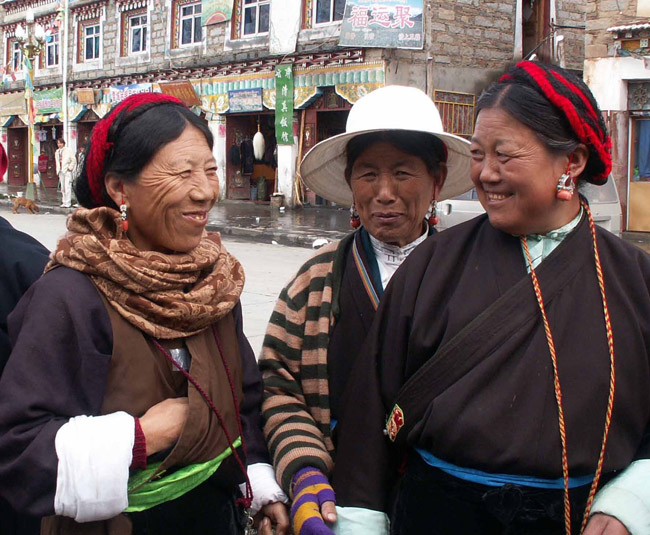
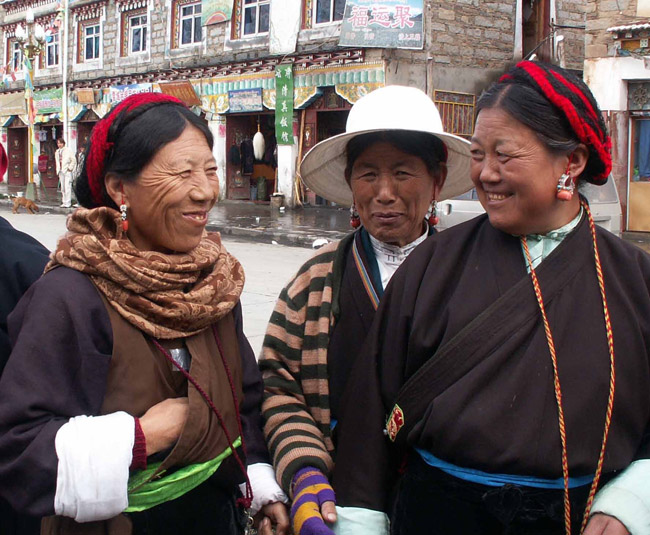
China, Lamoshe - The traditional Tibetan town of Tagong is a short drive from Kangding.

The traditional Tibetan town of Tagong is a short drive from Kangding. Colin Overy.

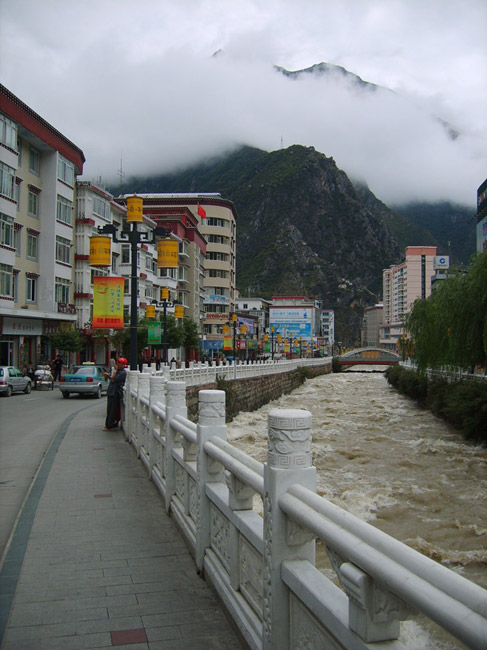
We begin our expedition in Chengdu, the capitol of China’s Sichuan Province. We meet in the evening over dinner to discuss our plans for the upcoming days. The next morning we depart Chengdu in private vehicles bound for Kangding, historically a trading center between China and Tibet. Kangding sits on the flanks of the Tibetan Plateau at 9000 feet elevation, perfect for our first night of acclimatization. After reaching Kangding and checking into our hotel, we have the evening to wander around town and take in the Tibetan influences. We continue our acclimatization on the third day by choosing between one of the many day hikes around Kangding which offer stunning views of the deep gorges and snowcapped peaks. Another option for our acclimatization day is to make the two hour drive to the town of Tagong, famous for Khampa Tibetan architecture and culture, as well as it’s sweeping open grasslands and expert horseman.

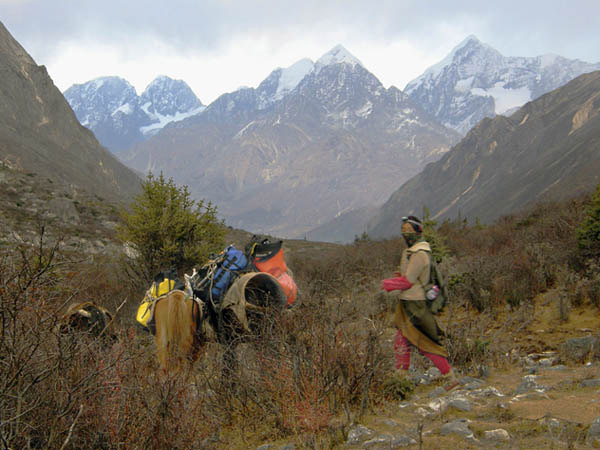
We will review expedition packing – discerning which equipment and food is needed today, compared to that which is needed later in the expedition as well as sharing techniques for proper organization. After carefully packing our gear, we drive to the trail head at approximately 14,000 feet and begin our hike to basecamp.

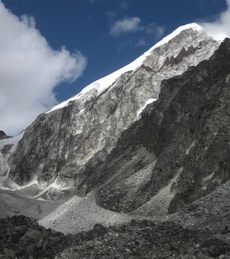
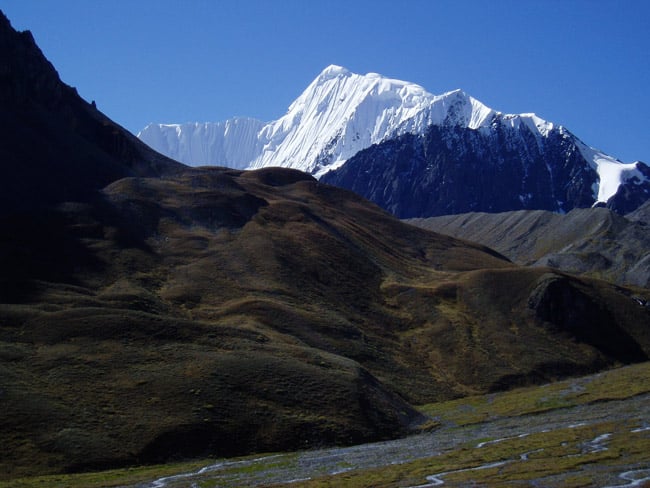
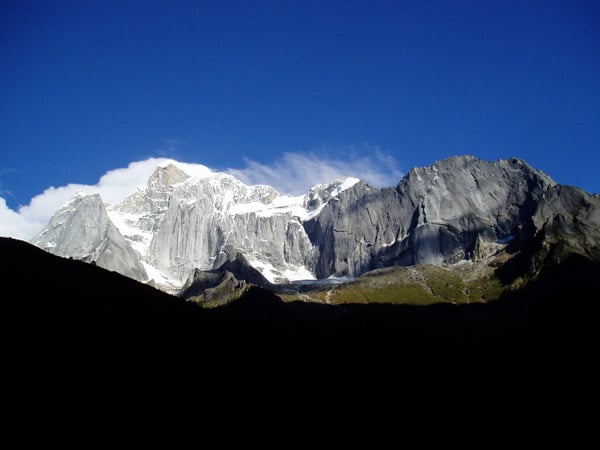
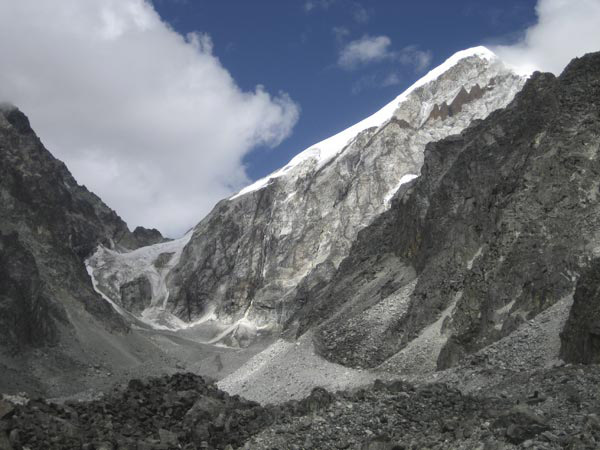
China, Lamoshe - The approach to advanced base camp on Lamoshe.

The approach to advanced base camp on Lamoshe. Aidan Loehr.

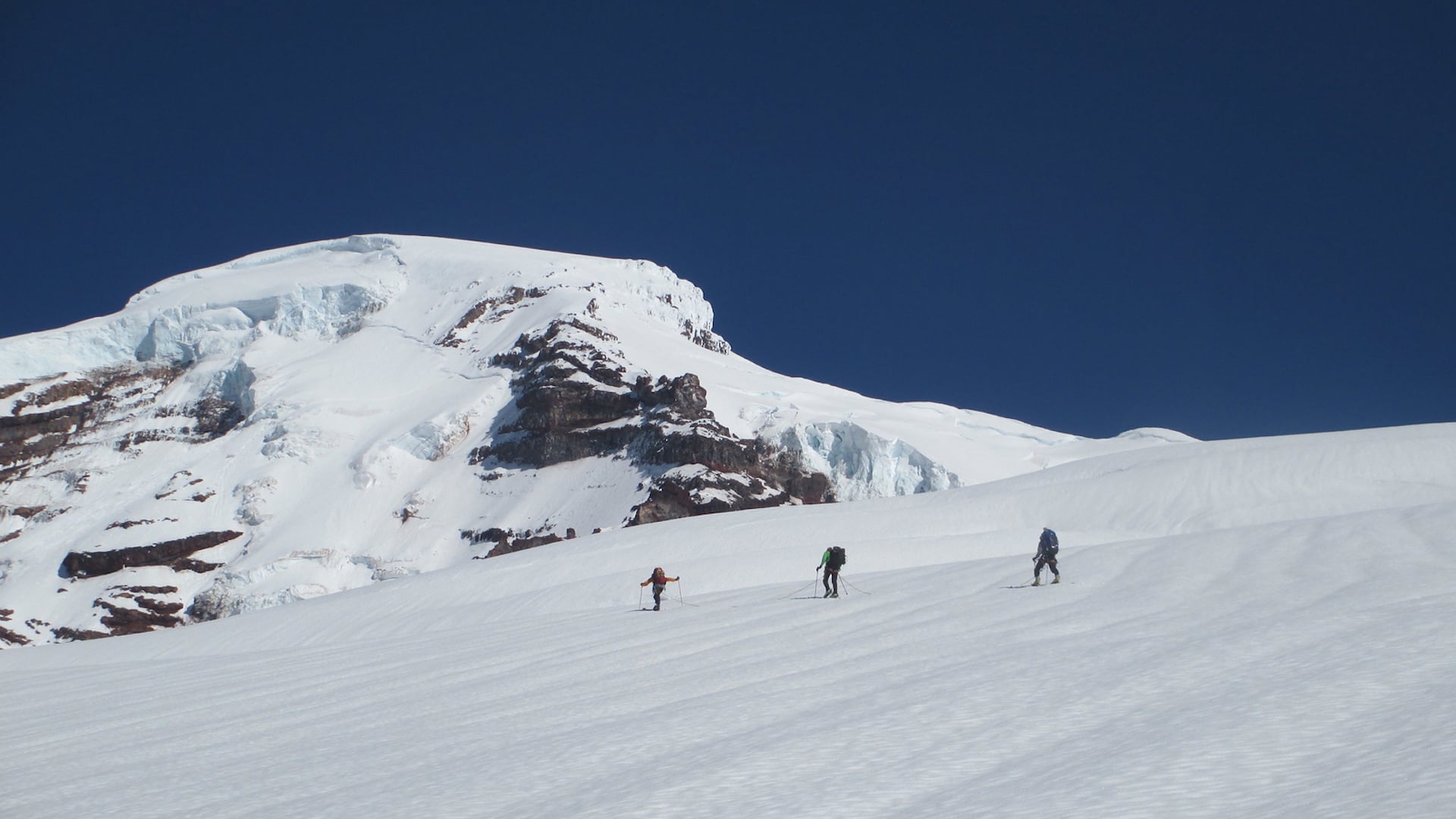
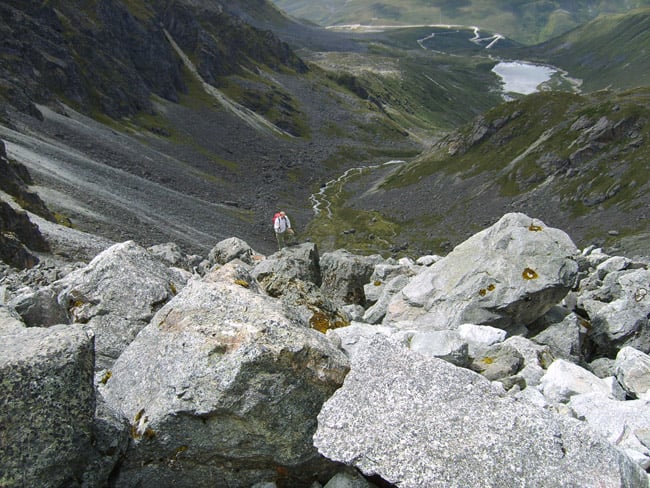
The second portion of the expedition involves a series of carries to get our team and equipment to advanced base camp at approximately 15,500 feet elevation. This camp is situated at the start of the route where the technical climbing begins. We stay at this camp for three nights, with the days being taken up reviewing climbing skills and techniques such as ascending fixed ropes, anchors, and efficiency. The last day we start carrying to high camp.

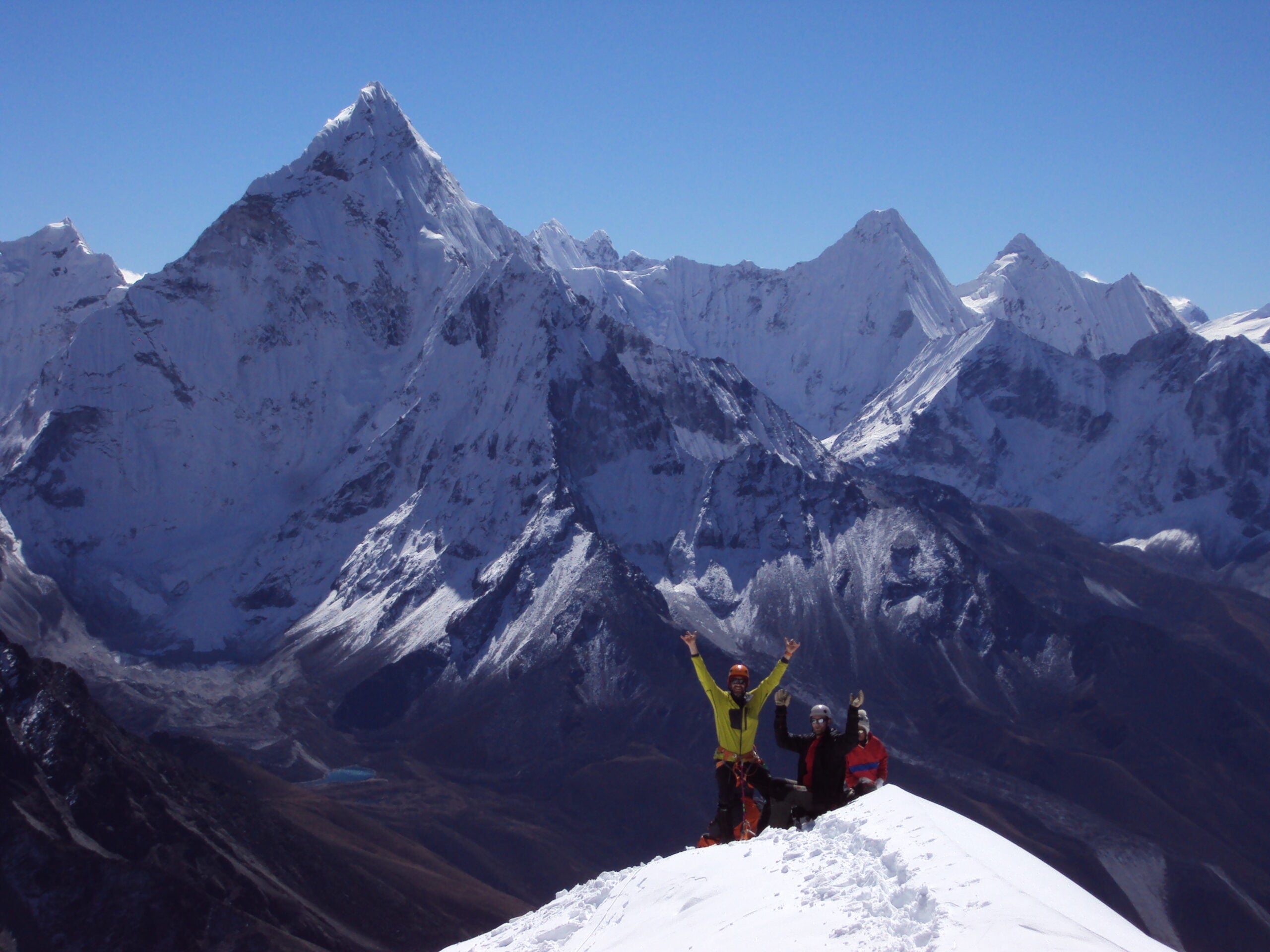
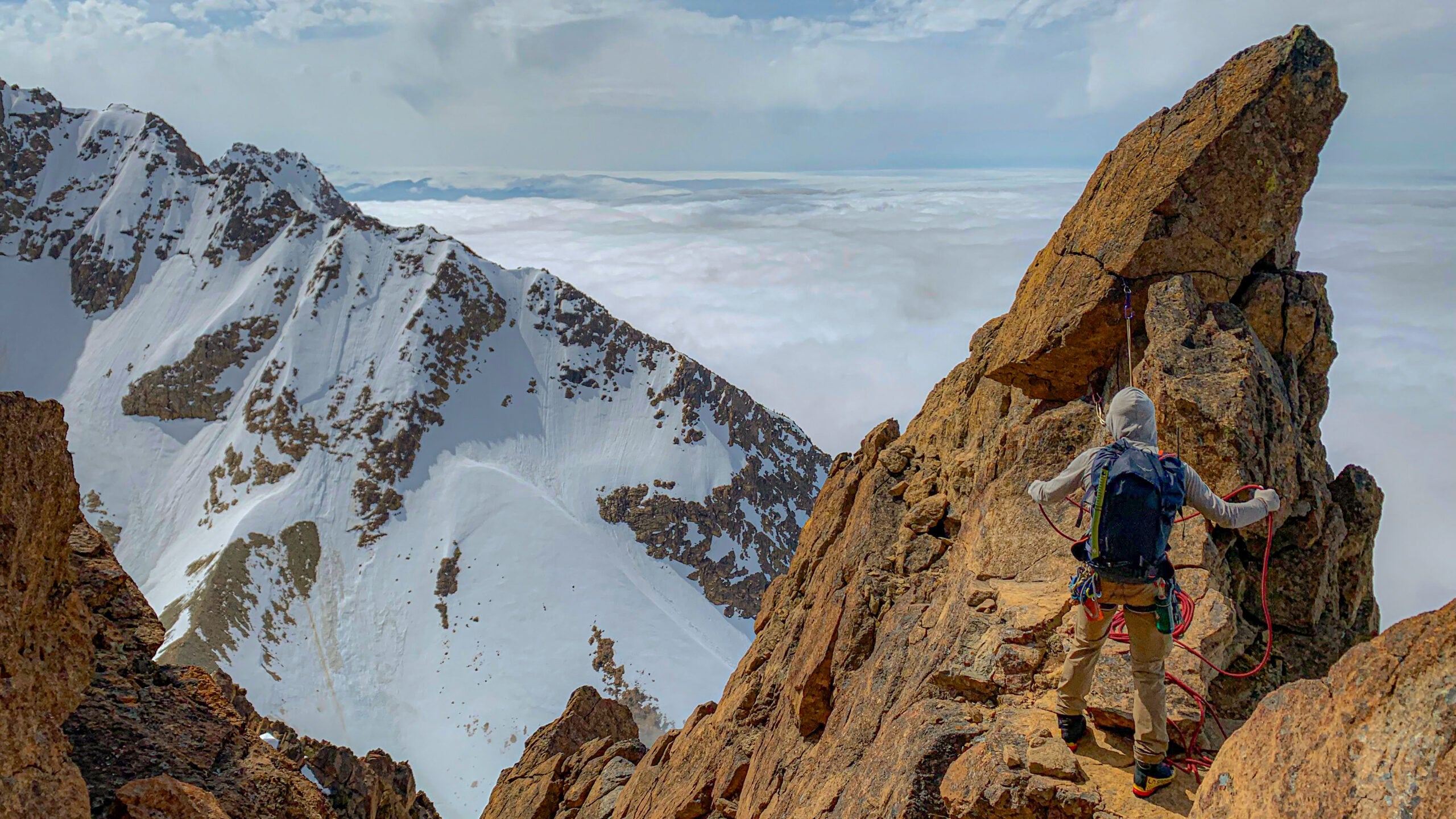
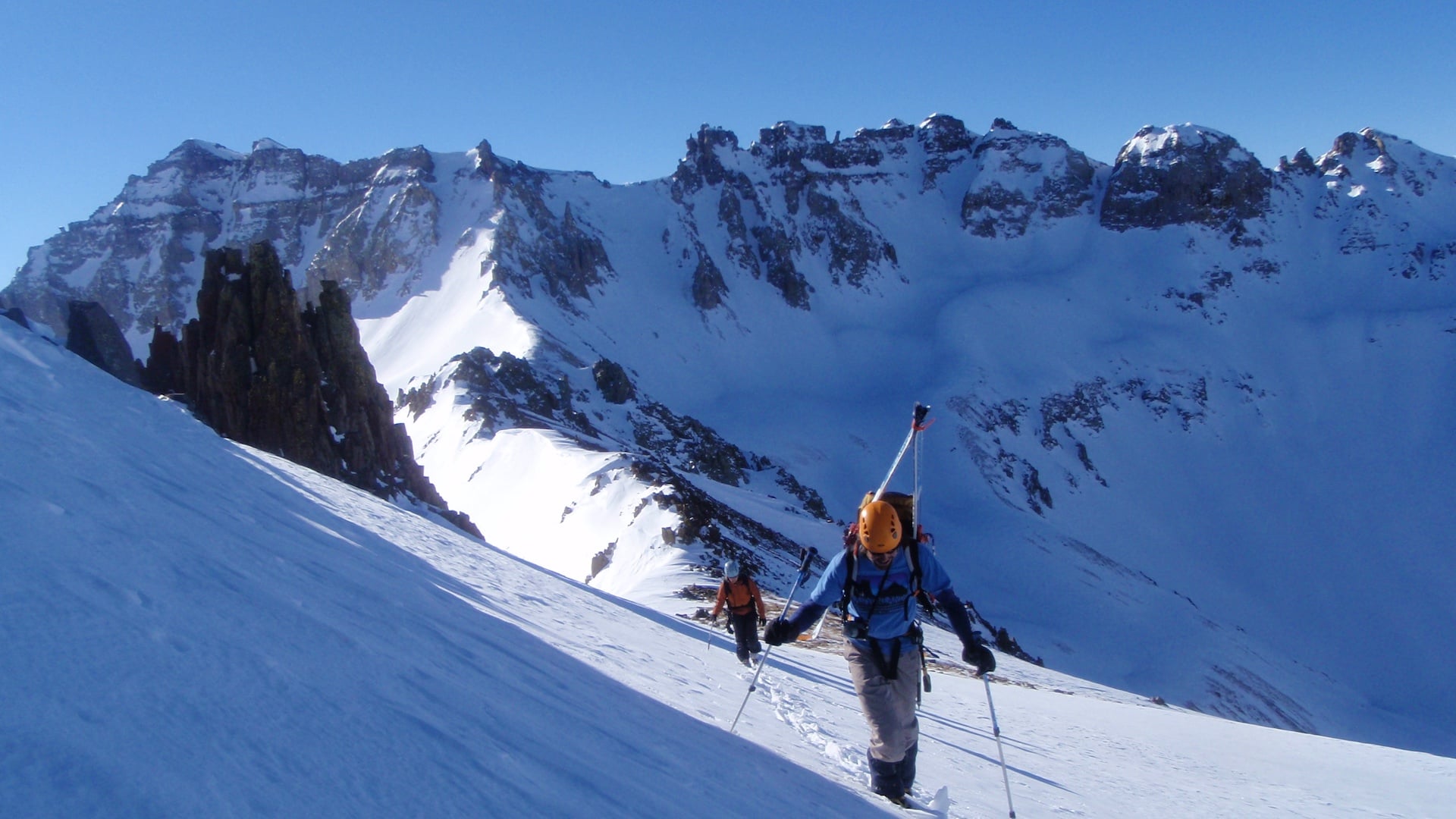
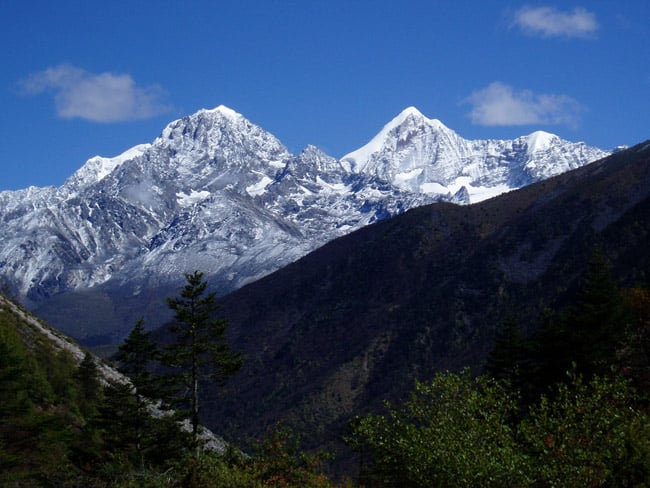
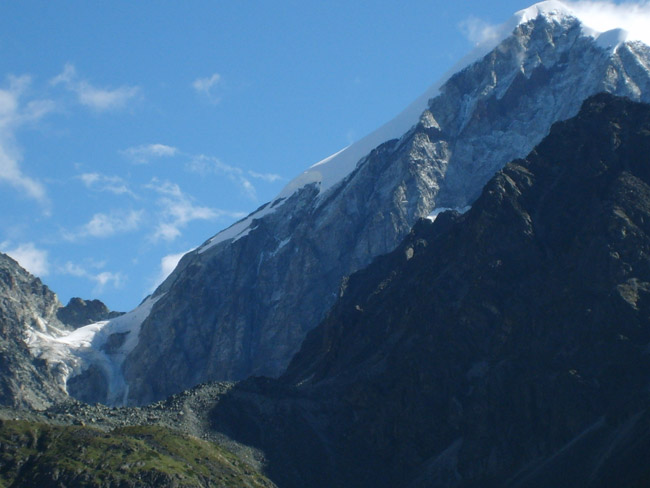
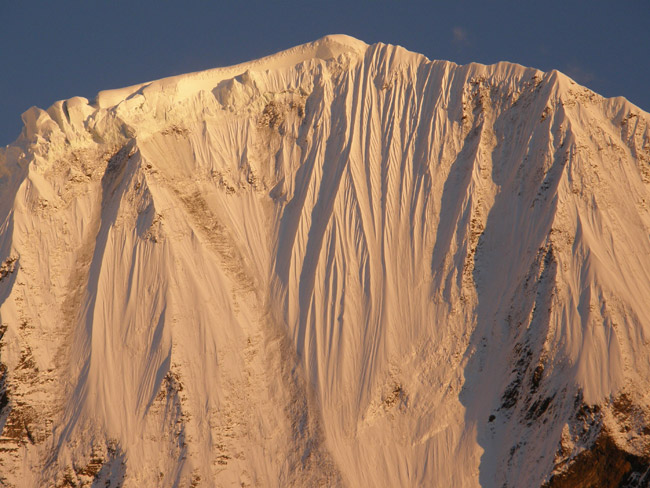
By the time we move to high camp at 17,000 feet, we will have completed our review of climbing techniques on snow and ice, rope team travel and use of fixed lines, expedition packing and prep, and high altitude physiology and proper acclimatization schedules. We have two full days for our summit attempt on the north ridge of Lamoshe. The route involves consistent 35 to 40 degree exposed snow and ice climbing on the increasingly exposed ridge. With our thorough acclimatization and skills review, our team will have excellent chances for reaching the summit of this remote and challenging peak.

We will spend two days descending back to base camp after our summit bid, where our horses will again meet us to aid in carrying our gear back to the car. That night we check into our hotel in Kangding and go out on the town for a celebration feast.